School Health Units Enhance Access to Free Health Check-ups Through Community Partnerships
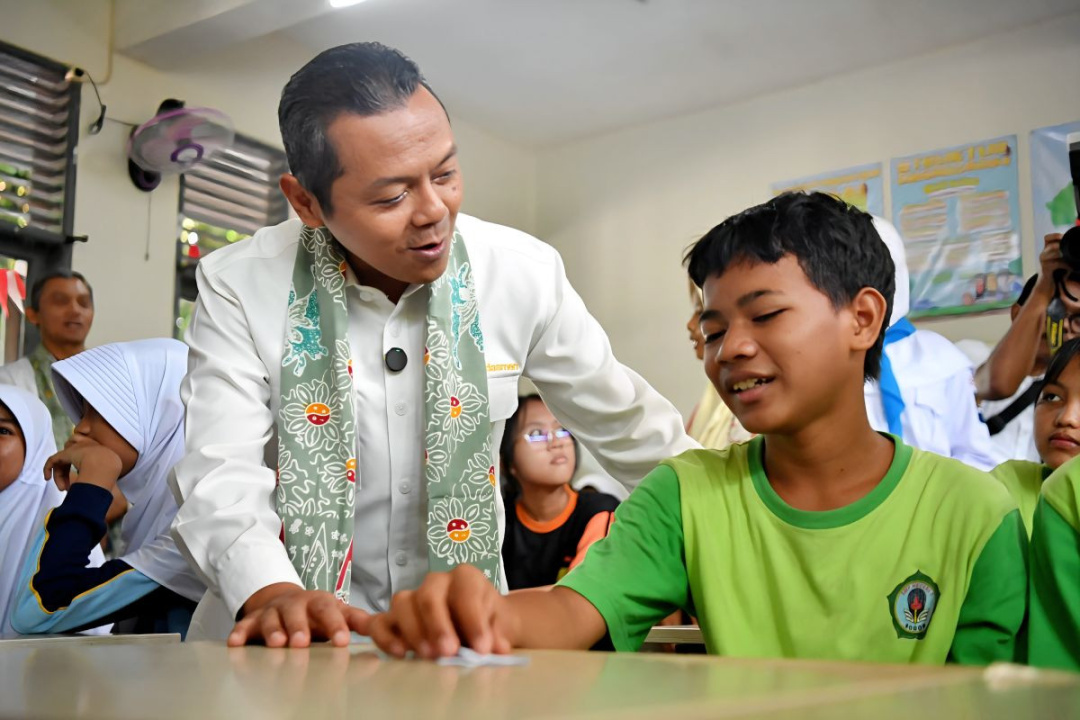
In a recent announcement, Deputy Minister of Primary and Secondary Education Fajar Riza Ul Haq highlighted the role of school health units (UKS) in linking educational institutions with community health centers (puskesmas) to facilitate the Free Health Check-up (CKG) program. This initiative, which was reviewed at a state junior high school in Bogor, West Java, aims to extend beyond mere health examinations to include follow-up treatments, thereby integrating health checks within the educational environment and fostering healthy living habits from an early age.
Ul Haq emphasized the importance of optimizing the UKS's role, describing it as a vital connection point between schools and health services. He stated that the health check results should lead to actionable practices and a supportive school environment that encourages healthy behaviors among students. The ultimate goal is to improve children's motivation and participation in learning activities.
The Deputy Minister referenced the success of SMP 5 Bogor, which has established a culture of health and was recognized as the top school in the West Java Provincial Healthy School Competition. The school has implemented various health-promoting habits, including regular fitness exercises, nutritious breakfast initiatives, and self-monitoring practices related to health. These efforts align with the broader "Seven Habits of Great Indonesian Children" Movement, which encourages students to engage in physical activity, consume nutritious foods, and track their growth.
Additionally, the school has appointed 18 student ambassadors to promote various health initiatives, including stunting prevention, anti-smoking campaigns, and fostering a child-friendly school environment. This multifaceted approach not only enhances health awareness among students but also integrates health education into the school culture, ultimately aiming to create a healthier generation.
The initiative is part of a broader governmental effort to ensure that health services are accessible to children, with the Health Ministry reporting that nearly 82 million participants have benefited from free health check-ups across the country. As the program continues to evolve, it is expected to play a crucial role in shaping the health and well-being of Indonesia's youth.