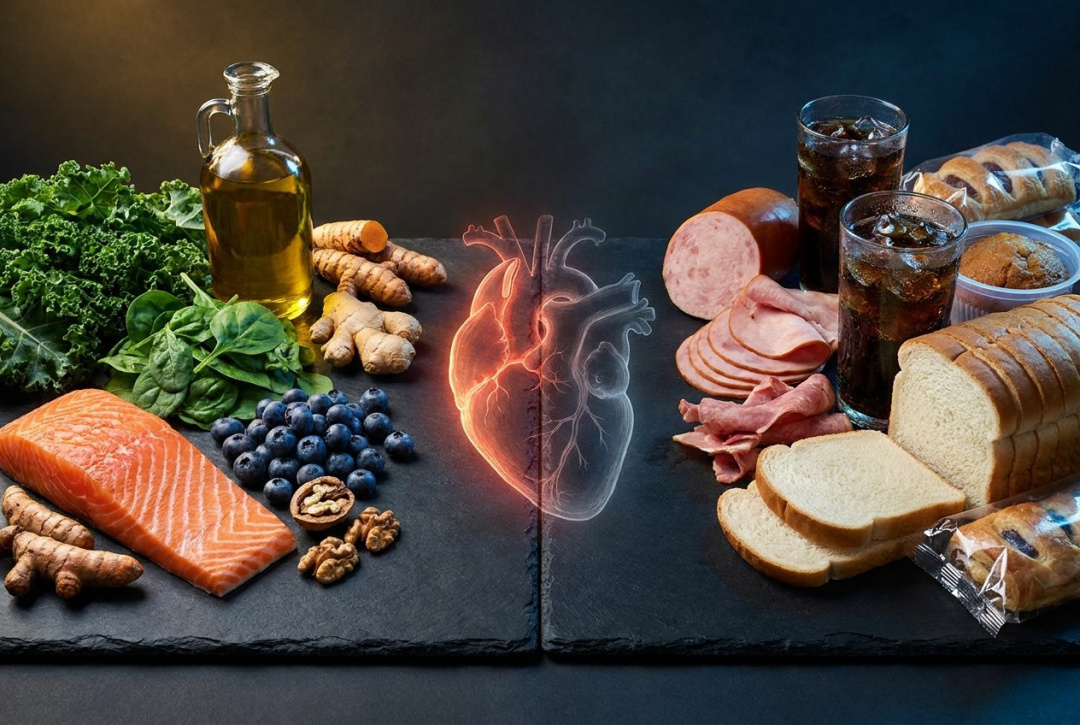
Study Suggests Curcumin May Protect Blood Vessels From Diabetes Damage in Rats
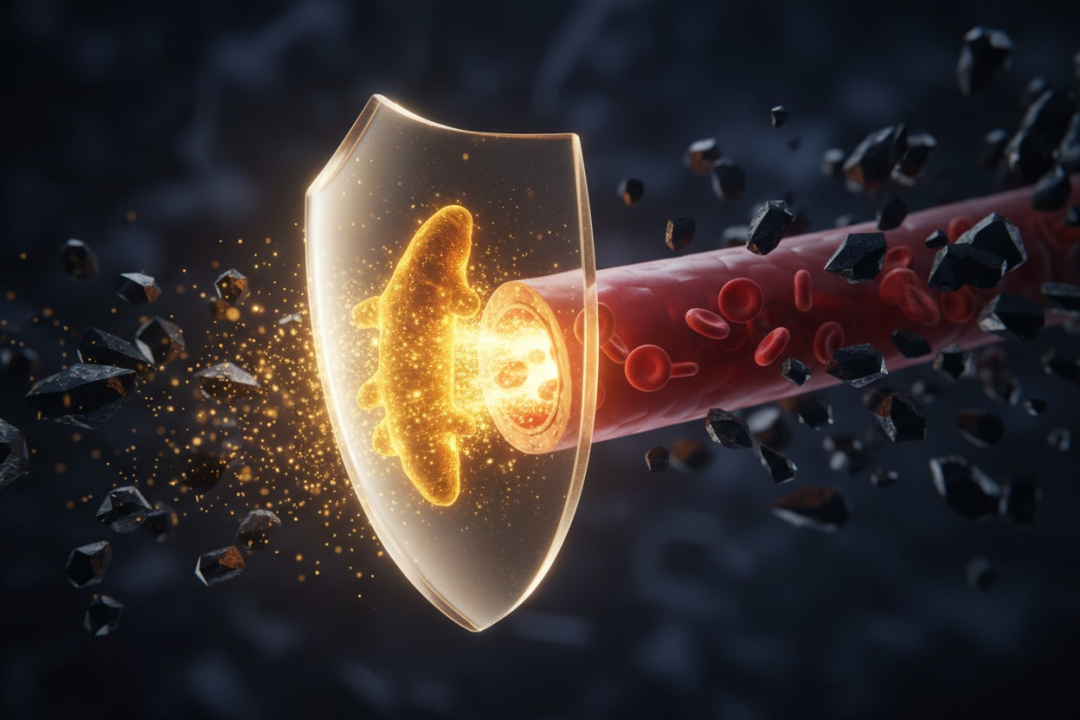
Research presented at the 2026 American Physiology Summit by the American Physiological Society suggests that curcumin, a compound derived from turmeric, may offer protective effects against blood vessel damage caused by Type 1 diabetes. The study, led by Swasti Rastogi, a PhD candidate at the Florida Institute of Technology, indicates that curcumin's benefits extend beyond its antioxidant properties. According to Rastogi, curcumin not only aids in improving blood sugar levels but also reduces inflammation, restores cellular responses, and helps maintain the structure and function of the aorta in individuals with Type 1 diabetes.
Type 1 diabetes is a chronic autoimmune condition affecting approximately 2 million people in the United States. Despite insulin therapy, many patients experience early onset of heart disease due to persistent high blood sugar levels, which can lead to damage in blood vessels over time. This damage is characterized by structural and functional changes that weaken blood vessels and decrease their elasticity.
In the study, researchers utilized a rat model to investigate the effects of curcumin on diabetic rats over a month-long period. The results indicated that rats treated with curcumin exhibited improvements in vascular health that were comparable to those of nondiabetic rats. The treatment appeared to reduce inflammation and restore normal calcium activity in blood vessels, as well as help rebalance heat shock protein 70, which is often disrupted in diabetes.
While the findings suggest that curcumin may play a role in limiting the gradual weakening of blood vessels and preserving their function, researchers caution that these results should not lead individuals with Type 1 diabetes to self-medicate with turmeric or curcumin supplements. The study was conducted on animal models, and further research, including clinical trials, is necessary to ascertain whether similar benefits can be observed in humans.
Additionally, establishing a safe and effective dosage that minimizes potential interactions with other medications remains a priority, as emphasized by the American Physiological Society. Although natural methods to reduce inflammation are gaining recognition, the society underscores the importance of gathering more evidence before making any recommendations.
In conclusion, while curcumin shows promise as a natural option for supporting vascular health, the need for human trials is critical before any clinical guidance can be provided. This research contributes to the growing interest in the health benefits of turmeric and its active compounds, highlighting the potential for new approaches to mitigate cardiovascular risks associated with diabetes.