Lettuce: A Nutritional Powerhouse Beyond a Simple Garnish
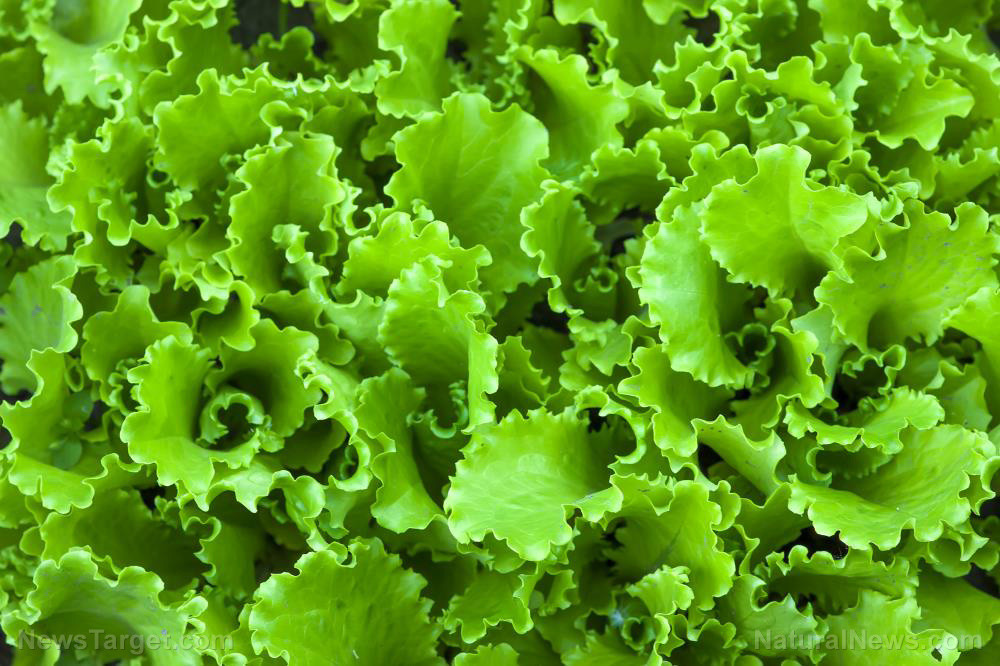
Lettuce has long been relegated to the role of a mere garnish on dinner plates, but this leafy green is far more than just decoration. It boasts a nutritional profile that rivals more celebrated vegetables like kale and spinach. Historically cultivated by ancient Egyptians, lettuce has been recognized for its health benefits for thousands of years, a fact that modern science continues to validate. In a time when Americans are increasingly facing health issues such as heart disease, age-related vision loss, and osteoporosis, this inexpensive vegetable offers measurable health benefits that deserve recognition.
A one-cup serving of shredded lettuce is remarkably low in calories yet high in nutritional value. It provides approximately 40 micrograms of folate, 205 micrograms of vitamin A, and 56 micrograms of vitamin K. However, not all varieties of lettuce are created equal. For instance, red leaf and green leaf lettuce contain significantly higher levels of vitamins A and K, as well as lutein, compared to iceberg lettuce. The darker the leaves, the richer the nutritional content.
Vitamin K plays a vital role in bone health by working alongside vitamin D to help the body utilize calcium effectively. Certain lettuce varieties can provide nearly half of the recommended daily intake of vitamin K1 in just one cup. Research suggests that even modest amounts of this vitamin, when combined with vitamin D, can enhance bone density and lower the risk of fractures.
In addition to its bone health benefits, vitamin K is essential for producing proteins necessary for proper blood clotting, a critical function that becomes increasingly important with age. Varieties such as butterhead, loose leaf, and romaine lettuce can provide over 20% of the daily value for adults, while iceberg lettuce offers between 10% and 19%.
Lettuce is also rich in antioxidants that support eye health. Anthocyanins found in red leaf lettuce combat free radicals that contribute to inflammation and chronic diseases. Carotenoids, including beta-carotene, are converted by the body into vitamin A, which is vital for maintaining good vision and immune function. Lutein, often referred to as the eye vitamin, protects the eyes from sun damage and may slow the progression of macular degeneration, a leading cause of blindness in the United States.
Moreover, the antioxidants in lettuce may also help reduce the risk of heart disease and certain cancers by preventing cholesterol oxidation and plaque buildup in arteries. With less than 10 calories per cup and a water content of 94% to 95%, lettuce can fill the stomach without contributing significantly to calorie intake. Studies indicate that consuming a small side salad before a main course can help individuals feel fuller and consume fewer calories overall. The high water content also aids in curbing hunger and preventing overeating, while the fiber content promotes digestion and alleviates constipation.
A cup of red leaf lettuce contains only four calories, making it one of the lowest-calorie foods available. In contrast, 10 calories of vinaigrette dressing equates to less than one teaspoon, while 10 calories of lettuce fills an entire cup. Raw vegetable consumption, particularly lettuce, is associated with improved mental health outcomes. A 2018 study found that daily servings of green leafy vegetables enhanced memory in older adults, likely due to the combined effects of vitamin K, lutein, and folate.
For pregnant women, lettuce is a valuable source of folate, which is essential for red blood cell development and cell division, as well as vitamin A, which is necessary for fetal growth. While folate supplementation is commonly recommended during pregnancy, lettuce serves as a natural food source of this crucial nutrient.
Though generally safe for most individuals, it is important to wash lettuce thoroughly to prevent bacterial contamination from pathogens such as E. coli, Listeria, or Salmonella. A rare allergy to lettuce may occur in individuals with lipid transfer protein sensitization, but this is uncommon.
Historically, lettuce has been cultivated for its health benefits for thousands of years. Today, Americans commonly consume four main varieties: butterhead, crisphead, loose leaf, and romaine, each offering unique textures and nutrient profiles. The common thread among all types is their ability to provide essential vitamins and minerals at an incredibly low caloric cost. As chronic diseases continue to rise, the solution may already be on our dinner plates, waiting to be appreciated not as a garnish but as a vital contributor to health. Lettuce requires no elaborate preparation or exotic recipes—just an increase in consumption can lead to significant health benefits.