BPC-157: Examining the Hype Around an Experimental Peptide
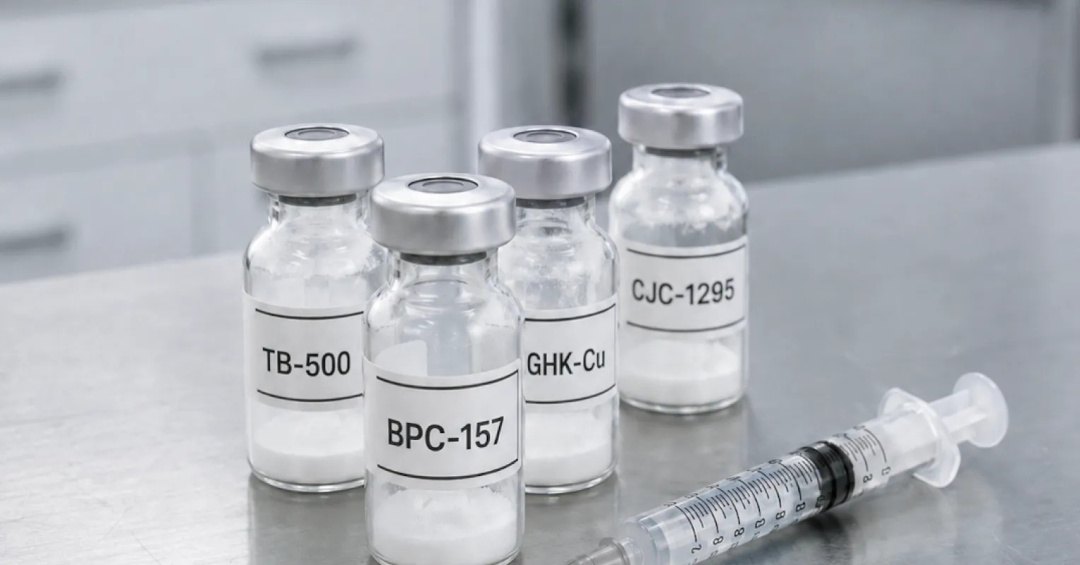
BPC-157, known as the "body protection compound," has become a focal point in the wellness community, particularly among athletes and fitness enthusiasts seeking faster recovery and healing. Originally derived from a protein in human gastric juice, this 15-amino-acid peptide has garnered attention for its purported benefits in healing tendons and soft tissue, as well as its vague claims of gut healing properties. Despite its popularity, particularly after being mentioned extensively by high-profile figures like Joe Rogan, the scientific backing for BPC-157 is limited and primarily based on preclinical studies involving rodents.
Research on BPC-157 spans several decades, with over 150 studies examining its effects on various tissues and organ systems. However, the majority of these studies have been conducted on rats, which raises significant concerns about the applicability of the findings to humans. While BPC-157-treated rats have shown faster healing and improved tissue integrity, the lack of human trials means that the safety and efficacy of the peptide remain largely unverified.
Only three human studies have been published, involving a total of 30 participants, none of which were randomized or placebo-controlled. These studies, which examined knee pain and bladder pain syndrome, do not provide sufficient evidence to support the widespread use of BPC-157 in humans. The knee pain study, in particular, was a retrospective chart review, further limiting its clinical relevance.
Despite the scant evidence, interest in BPC-157 has surged, with online searches increasing significantly since 2022. This trend reflects a broader issue within the wellness economy, where unregulated substances are marketed as quick fixes for health concerns. The narrative surrounding BPC-157 often emphasizes its potential for recovery and rejuvenation, appealing to those looking for immediate solutions rather than long-term lifestyle changes.
The rise of experimental peptides like BPC-157 illustrates a growing disconnect between wellness culture and scientific evidence. As social media platforms amplify the voices of influencers promoting these substances, the need for accurate information becomes increasingly critical. Health professionals and scientists must work to counter misinformation and provide the public with the necessary tools to make informed decisions about their health and wellness pursuits. Ultimately, while BPC-157 may promise benefits, the lack of substantial human data raises important questions about its safety and efficacy in real-world applications.