Understanding the Interplay Between Kidney Health, Emotional Stress, and Aging
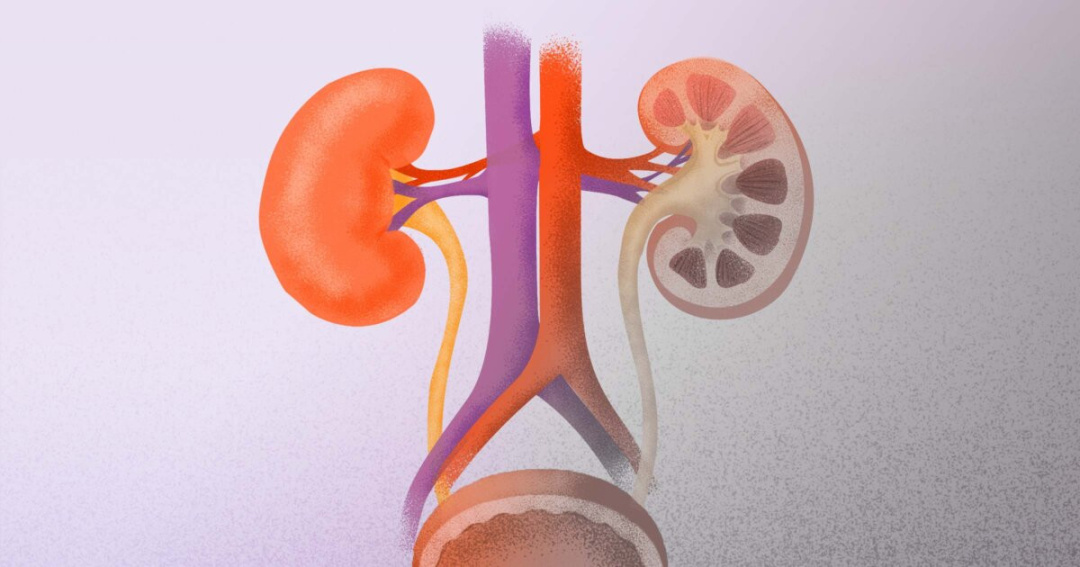
Margaret, a 66-year-old woman, experienced a persistent sense of dread, which her doctor attributed to aging. However, her symptoms, including cold hands, back pain, and frequent nighttime bathroom trips, were interconnected and pointed to potential issues with her kidneys. In traditional Chinese medicine, these symptoms are linked to the urinary system, suggesting that the kidneys play a crucial role in both physical and emotional health.
The kidneys are often silent in their decline; individuals can lose significant kidney function without noticeable symptoms. By the time lab values indicate a problem, years of deterioration may have occurred. The bladder, while more vocal with symptoms like urgency and frequency, is often dismissed as a normal part of aging. Together, these organs are vital for regulating water, filtering waste, and managing blood pressure.
Margaret's case illustrates the importance of a comprehensive approach to health. The ACES model—anatomy, chemistry, energy, and soul—provides a framework for understanding her condition. The anatomy of her kidneys, which contain about one million nephrons that filter blood, was compromised due to factors like high blood pressure and chronic dehydration. This decline often goes unnoticed until significant damage has occurred.
The bladder's aging process involves changes to its muscle and nerve function, leading to a less reliable urge to urinate. For men, an enlarged prostate can complicate matters, while women may experience pelvic floor weakening. In Margaret's case, imaging revealed her kidneys were at the lower end of normal, and her bladder was not fully emptying, indicating potential issues that required attention.
To assess kidney function more accurately, tests like the urine albumin-to-creatinine ratio can provide insights that standard tests may miss. The kidneys do more than filter blood; they also regulate sodium and water, convert vitamin D, and signal bone marrow to produce red blood cells. Misinterpretation of symptoms can lead to fragmented care, where each issue is treated in isolation rather than as part of a larger picture.
Chronic conditions like elevated blood sugar and blood pressure can damage the kidneys over time. It is essential for patients to monitor not just current lab values but also their trends over time. Staying hydrated is crucial, as dehydration can exacerbate bladder issues. In traditional Chinese medicine, the kidneys are seen as the essence of life, governing growth and aging.
Chronic stress and fear can deplete kidney essence, leading to a range of symptoms. For Margaret, her fear of following her mother’s path to dialysis contributed to her health issues. Addressing this fear through therapy and holistic practices, including acupuncture, can help alleviate symptoms and improve overall health.
By recognizing the interconnectedness of physical and emotional health, patients can work towards a more comprehensive treatment plan that addresses all aspects of their well-being. Margaret's experience highlights the importance of viewing health through a multi-dimensional lens, allowing for a more effective approach to managing kidney and bladder health as one ages.