Exploring International Supermarkets to Alleviate Dinner Planning Challenges
As grocery prices soar, many American families are grappling with kitchen burnout, struggling to decide what to prepare for dinner each night. With the rising costs of dining out and convenience foods, cooking at home has become a more appealing option, allowing families to control ingredients like salt and sugar. One effective way to invigorate meal planning without breaking the bank is by shopping at international food markets, which offer a variety of unique ingredients and flavors.
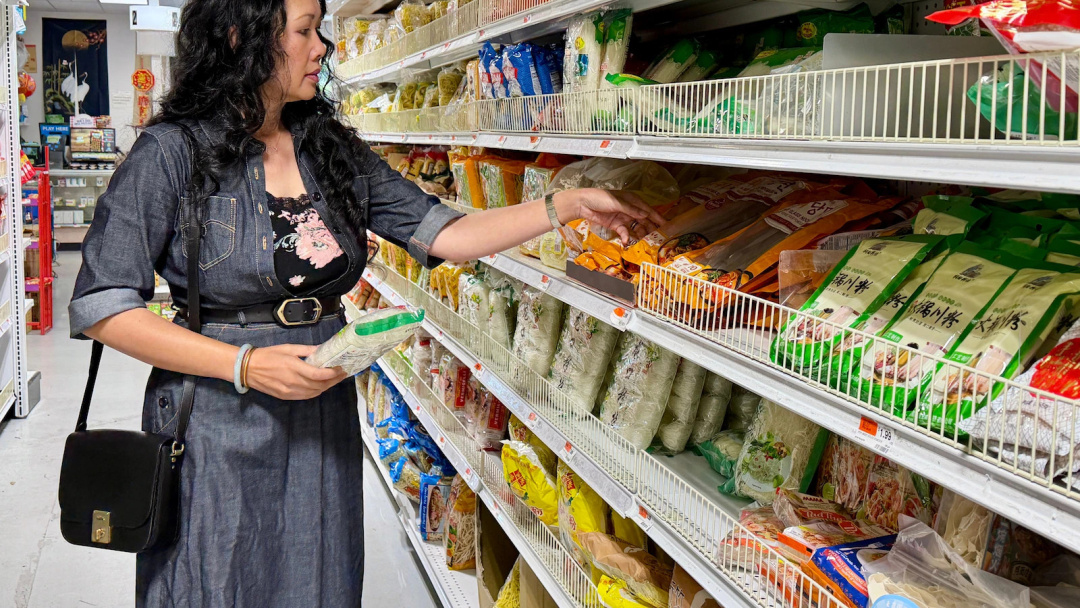
Palina Louangketh, a culinary enthusiast and director at the Idaho Museum of International Diaspora, emphasizes that incorporating new flavors into home meals can be straightforward. By combining unfamiliar ingredients from international markets with pantry staples, families can create exciting dishes. Louangketh notes that shopping at these markets not only provides access to fresh, exotic ingredients but also offers a cultural experience. For instance, she highlights the diverse products available at the Idaho Capital Asian Market, which features items from countries like China, Japan, and Thailand.
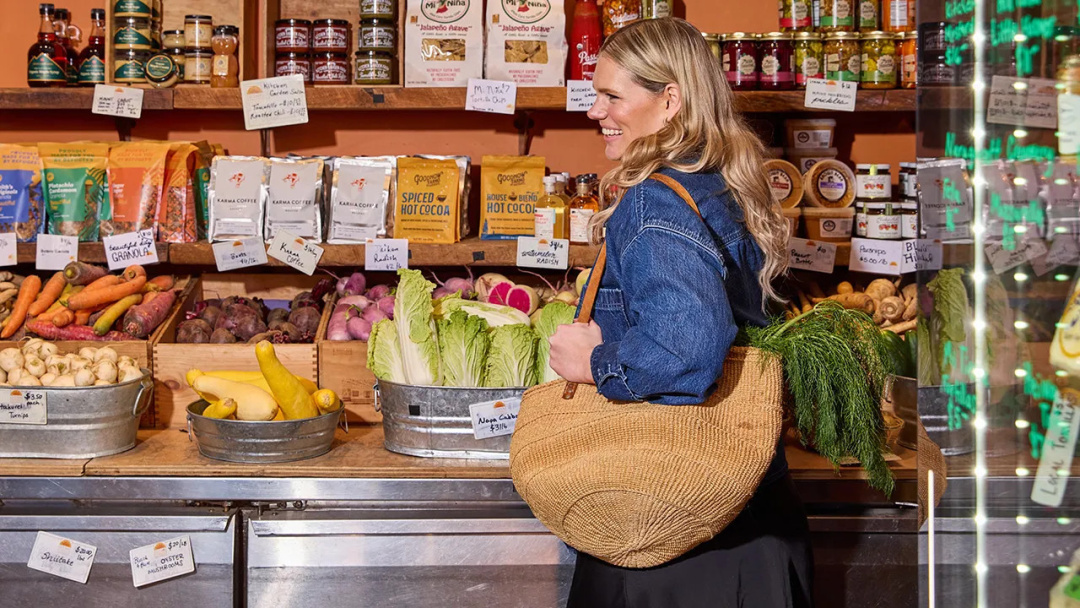
Navigating an international market may seem daunting at first, but Beryl Shereshewsky, a New York video producer and cultural food explorer, encourages families to embrace the experience. She points out that international markets are often found even in small towns, reflecting the culinary traditions of immigrant communities. Shereshewsky notes that exploring these markets can reveal hidden gems and enhance one’s connection to the local community.
Sales at international supermarkets have been steadily increasing, according to market research firm IBISWorld. In Boise, Idaho, for example, there are over 20 international markets serving a population of just over 235,000. Shereshewsky suggests that shopping locally can lead to discovering new ingredients and recipes, enhancing the cooking experience.
Store staff are typically eager to assist customers, making the shopping experience enjoyable. Bailey Hughes, a cashier at the Idaho Capital Asian Market, shares that customers often come in seeking ingredients they saw online, such as the trendy Chinese Baddie Tea, which is made from jujube dates and ginger.
To make the most of a visit to an international market, Shereshewsky advises doing some research beforehand. Many food bloggers specialize in specific cuisines, providing valuable insights and recipes. This preparation can help shoppers navigate the aisles with a clear plan, making the experience less overwhelming.
For those hesitant to dive into unfamiliar territory, Shereshewsky recommends starting with familiar dishes and exploring their variations across different cultures. For example, breakfast lovers might swap traditional scrambled eggs for a Ugandan rolex, a thin omelet wrapped in chapati flatbread. Similarly, a simple side salad could be replaced with a flavorful Chinese spinach salad.
Louangketh suggests that soups are an excellent entry point for incorporating new flavors. Adding fresh lemongrass and kaffir leaves, staples in Laotian cuisine, can brighten up broths and introduce new tastes.
International markets often offer spices, fresh produce, and specialty sauces at lower prices compared to mainstream grocery stores, making them an economical choice. However, shoppers should remain mindful that some specialty items may also be priced higher than expected. Shereshewsky advises that while many ingredients may be cheaper, others could be just as costly, depending on what one is seeking.
Ultimately, the joy of exploring different cuisines lies in appreciating the cultures and communities behind the food. Louangketh emphasizes that food fosters community and connection, encouraging individuals to engage with diverse culinary traditions. Participating in cultural festivals or cooking classes, such as the free online sessions offered by the Idaho Museum of International Diaspora, can enhance this experience.
While viral food trends can serve as an introduction to new cuisines, Shereshewsky reminds us not to overlook the rich histories associated with these dishes. Understanding the origins of food can deepen appreciation and connection to the people who have cherished these culinary traditions for generations.