Cyclosporiasis Outbreak Linked to Iceberg Lettuce Expands to Three More States
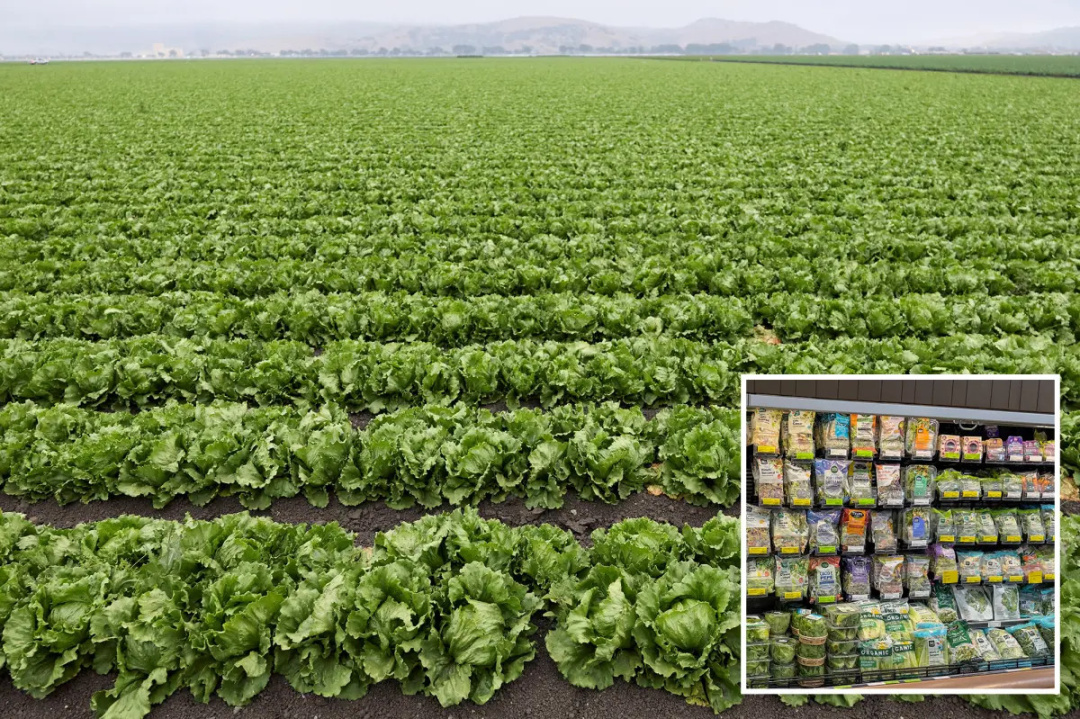
The massive cyclosporiasis outbreak linked to iceberg lettuce has expanded to three additional states, according to federal health regulators. The Food and Drug Administration (FDA) reported that the outbreak, which has been associated with over 11,000 illnesses and hundreds of hospitalizations since it began in July, is now confirmed in Georgia, Tennessee, and Texas. This brings the total number of affected states to 20. The FDA's announcement came just a week after its last update on the situation.
Health officials have traced the outbreak back to contaminated iceberg lettuce supplied by Taylor Farms de Mexico, specifically to Taco Bell restaurants. This outbreak is noted as one of the largest foodborne illness events in recent U.S. history, prompting widespread concern over food safety and consumer choices. Dave Ciesinski, president and CEO of The Marzetti Company, which produces various food products including refrigerated salad dressings, discussed the impact of the outbreak on the salad mix and dressing business during an interview on 'The Claman Countdown.' He indicated that the outbreak has not only affected lettuce sales but has also altered consumer shopping habits regarding fresh produce.
Sales of leafy greens have reportedly dropped by as much as 30% since the outbreak began, with vegetable sales declining by approximately 16% to 17%. This shift reflects a significant change in consumer behavior, as many individuals are reconsidering their purchases in light of the outbreak. Michigan has emerged as the hardest-hit state, reporting two deaths linked to the outbreak, with both victims having significant underlying health conditions.
Cyclospora is a single-celled parasite that can lead to symptoms such as stomach cramps, nausea, fatigue, and weight loss, although some individuals may remain asymptomatic. The Centers for Disease Control and Prevention (CDC) notes that symptoms typically manifest about a week after infection and can last from a few days to a month, with the possibility of symptoms reappearing after initial improvement. As the investigation continues, health authorities are urging consumers to remain vigilant about the sources of their food and to stay informed about ongoing developments regarding food safety.