FDA Approves Mounjaro to Reduce Heart Event Risks for Type 2 Diabetes Patients
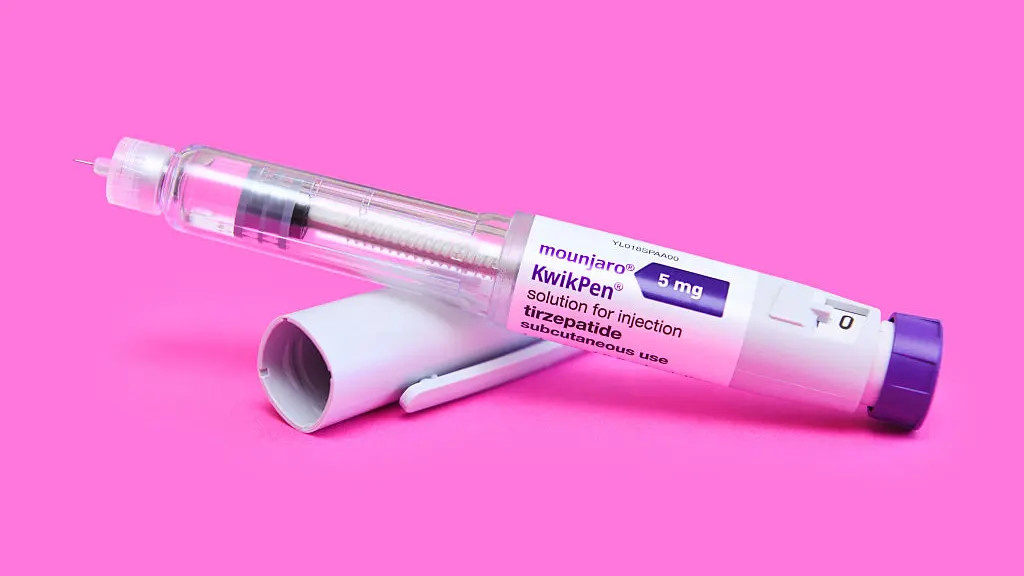
On August 28, the U.S. Food and Drug Administration (FDA) granted approval for Eli Lilly's medication Mounjaro to help lower the risk of heart events, such as heart attacks, in individuals diagnosed with Type 2 diabetes. This new indication is significant as cardiovascular disease is the leading cause of death among this population. Mounjaro, which is already known for its effectiveness in managing blood sugar levels, works by influencing two hormones in the incretin class—GLP-1 and GIP. In clinical trials submitted to the FDA, researchers observed that participants taking Mounjaro experienced an 8% reduction in the rates of heart attacks, strokes, or cardiovascular-related deaths compared to those on Trulicity, another diabetes medication from Lilly that targets only GLP-1. Previous studies indicated that Trulicity had already reduced heart event risks by 12% compared to a placebo, underscoring the importance of this new finding. Dr. Rachel Batterham, a senior vice president at Lilly, emphasized the critical nature of reducing cardiovascular risks in patients with Type 2 diabetes. The study's design, however, means that the heart benefit results cannot be directly compared to those of Ozempic, a competing drug from Novo Nordisk that is also approved for diabetes management and has demonstrated a 20% reduction in heart disease risk. Lilly is currently conducting additional studies to evaluate the heart event risks associated with Zepbound, the weight-loss version of their drug, in non-diabetic individuals. While the new approval allows healthcare providers to discuss the heart benefits of Mounjaro with their patients, it is essential to note that the data supporting these benefits is currently limited to those with Type 2 diabetes. Further research is expected to clarify whether similar benefits apply to individuals without diabetes, with results anticipated next year.