Review Links Fermented Foods to Lower Mortality and Immune Function Improvements
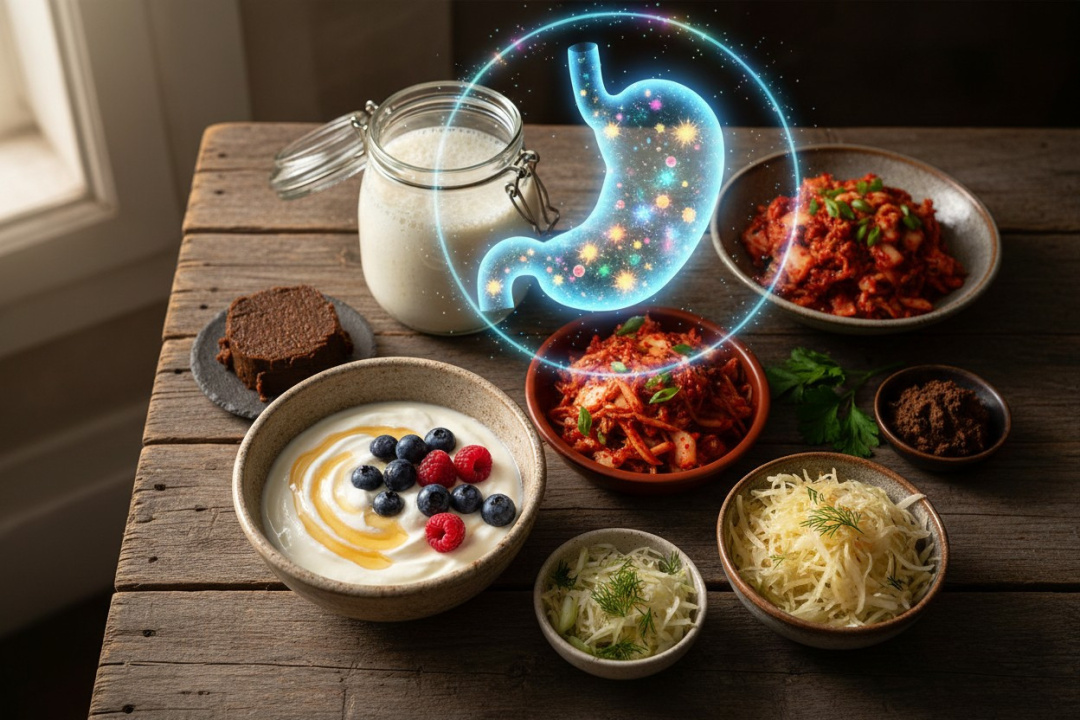
A new review published in Frontiers in Nutrition has revealed that higher consumption of fermented foods is linked to lower all-cause mortality, based on an analysis of 50 studies involving more than three million adults. Researchers conducted sensitivity checks that indicated the overall pattern of results remained consistent, reinforcing the significance of fermented foods in health discussions. These foods, which include yogurt, kefir, kimchi, and fermented soybean products, have been increasingly recognized for their potential benefits on gut health and immune function. The gut microbiome, which plays a critical role in overall health, interacts with components found in fermented foods, potentially influencing immune responses.
The review compared data from cohort studies over several decades, focusing on the highest and lowest consumers of fermented foods. Specific items such as fermented milks, cheese, and miso were associated with statistically significant reductions in mortality risk. The authors noted that the consistency of these associations across various food types suggests a broad effect of fermented foods on health outcomes.
In addition to the review, a separate randomized trial conducted at Stanford University assigned healthy adults to either a high-fiber diet or a diet rich in fermented foods. The results indicated that participants consuming fermented foods exhibited a decrease in 19 inflammatory markers, including interleukin-6, while the high-fiber group showed no such changes. This trial, published in the journal Cell, highlighted the impact of fermented foods on gut microbial diversity, which researchers consider crucial for long-term immune resilience.
The findings suggest that fermented foods may influence immunity through changes in the gut microbiome, an effect not fully replicated by fiber alone. This aligns with broader research indicating that dietary patterns, rather than isolated nutrients, are central to disease prevention. Traditional diets that incorporate fermented foods are linked to protective health effects, emphasizing the importance of these foods in maintaining gut health and reducing inflammation.
The article also provides practical suggestions for incorporating fermented foods into daily diets. It recommends adding plain yogurt or kefir to breakfast, emphasizing the selection of live-culture organic varieties to maximize beneficial bacteria intake. For those looking to include fermented vegetables, options like sauerkraut or kimchi from refrigerated sections are preferred, as they contain live cultures, unlike shelf-stable versions. Miso can be added to soups and dressings but should not be boiled to preserve its beneficial compounds.
Overall, the review underscores the potential of fermented foods as allies for gut health, with links to improved digestion and immune function. The gut hosts a significant share of the body's immune tissue, and daily food choices can shape this system over time. As research continues to explore the connections between diet, gut health, and immune resilience, fermented foods emerge as a promising area of focus for enhancing overall health.