Study Examines Impact of Diet and Exercise on Fat Metabolism in Obese Children
A new study published in PLOS One investigates the effects of a diet and exercise intervention on fat metabolism in children with simple obesity. The research, conducted by a team from Wuhan Children’s Hospital and other institutions, involved 51 children aged 7 to 14 years who were screened for obesity. After excluding one participant who did not provide a serum sample, the study focused on 50 children with obesity and 50 normal-weight controls for baseline comparisons. The intervention lasted three months, during which participants engaged in a home-based diet and exercise program designed by dietitians and endocrinologists.
The findings indicated that children with obesity had higher levels of leptin and lower levels of hormone-sensitive lipase (LIPE/HSL) compared to their normal-weight counterparts at baseline. After the intervention, waist circumference, HDL cholesterol, fasting glucose, 25-hydroxyvitamin D, free thyroxine (FT4), and carnitine palmitoyltransferase 1A (CPT1A) levels decreased among the 44 children who completed the program. However, total cholesterol and leptin levels increased. Notably, the study found that while waist circumference decreased, there was no significant mean reduction in body weight or BMI.
The intervention included nutrition education aimed at promoting a balanced diet and physical activity, with recommended daily energy intakes tailored to the children's age. Exercise sessions consisted of aerobic activities supervised by guardians. Despite the changes in some metabolic markers, the results suggest that the intervention did not lead to significant weight loss, highlighting the complexities of addressing childhood obesity through lifestyle modifications alone.
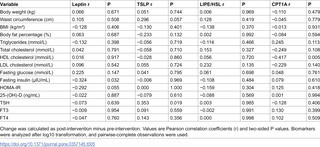
The study also examined correlations between baseline biomarker levels and metabolic parameters, revealing that baseline leptin was positively correlated with fasting glucose levels, while CPT1A was positively correlated with triglycerides. These findings underscore the need for continued research into effective strategies for managing obesity in children, particularly as early-onset obesity can lead to chronic health issues later in life.
This research was approved by the Ethics Committee of Wuhan Children’s Hospital, and informed consent was obtained from all participants and their guardians. The study emphasizes the importance of comprehensive approaches to childhood obesity that incorporate dietary, physical, and behavioral interventions.