CRISPR Gene-Editing Therapy Shows Potential as One-Time Treatment for High Cholesterol
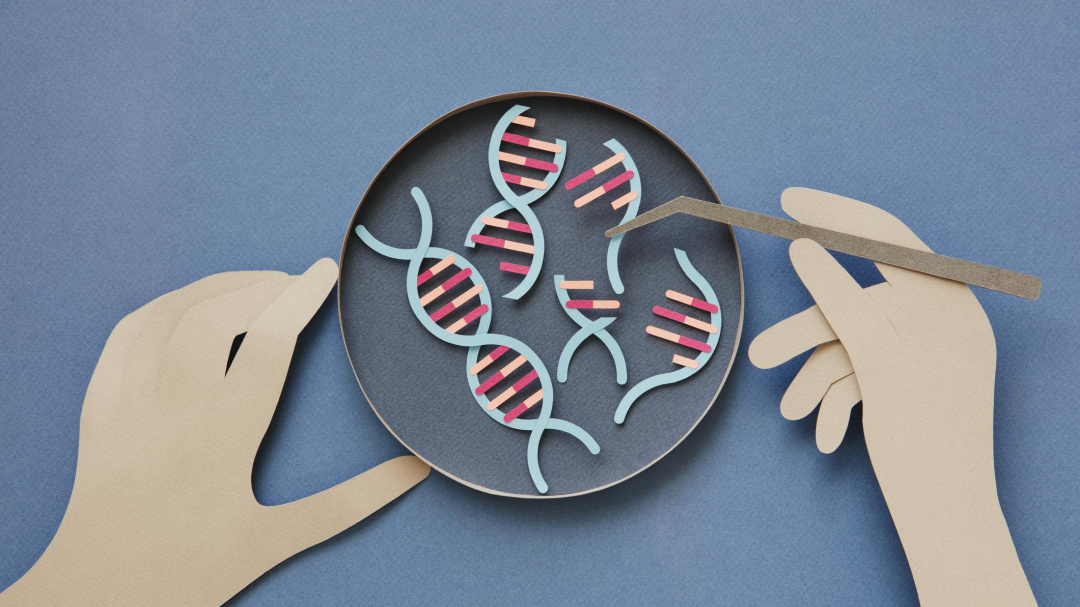
Heart disease remains the leading cause of death globally, with elevated cholesterol levels being a significant risk factor. A new study published in the New England Journal of Medicine reveals that a CRISPR-based gene-editing therapy has helped individuals with high cholesterol and triglycerides maintain lower lipid levels for at least a year. This research builds upon earlier findings reported in November. The therapy, developed by CRISPR Therapeutics, utilizes CRISPR technology to edit the ANGPTL3 gene, which is crucial for cholesterol regulation. This gene produces an enzyme that inhibits the breakdown of low-density lipoprotein (LDL) cholesterol and triglycerides. Interestingly, researchers identified a population in Italy with a mutation in ANGPTL3 that resulted in lower LDL and triglyceride levels, as well as reduced heart disease incidence. The CRISPR therapy aims to replicate this mutation, allowing patients to effectively manage their cholesterol levels. In a small study involving 15 participants suffering from severe hypercholesterolemia, results showed reductions in LDL and triglyceride levels by up to 50%, which persisted for at least a year. Samarth Kulkarni, CEO of CRISPR Therapeutics, expressed optimism about the efficacy of the treatment. The sustained lower levels of LDL and triglycerides indicate that the CRISPR therapy successfully edited enough liver cells, where cholesterol and triglycerides are primarily produced, to provide lasting benefits. Notably, those receiving the highest doses of the therapy experienced nearly an 80% reduction in ANGPTL3 enzyme levels, correlating with significant decreases in lipid levels. Dr. Luke Laffin, co-director of the Center for Blood Pressure Disorders at the Cleveland Clinic and lead author of the study, emphasized the importance of these findings, stating that the durability of the results marks a significant advancement for CRISPR technology. Importantly, the therapy did not lead to significant side effects, as individuals with the natural mutation in ANGPTL3 do not typically suffer from serious health issues. This suggests that the one-time treatment could potentially replace the conventional daily statin medications, which many patients struggle to adhere to over the long term. Looking ahead, Laffin noted that this therapy could offer an option for individuals with a strong family history of heart disease or high cholesterol. CRISPR Therapeutics has initiated the next phase of studies, focusing on patients with severe lipid disorders, which affect approximately two to three million people in the U.S. If these studies yield positive results, the company may explore the therapy's efficacy in individuals with more moderate cholesterol elevations. Kulkarni highlighted the transformative potential of gene-editing in cardiovascular medicine, envisioning a future where a single treatment could provide lasting control over cholesterol levels, thereby significantly impacting patient care.