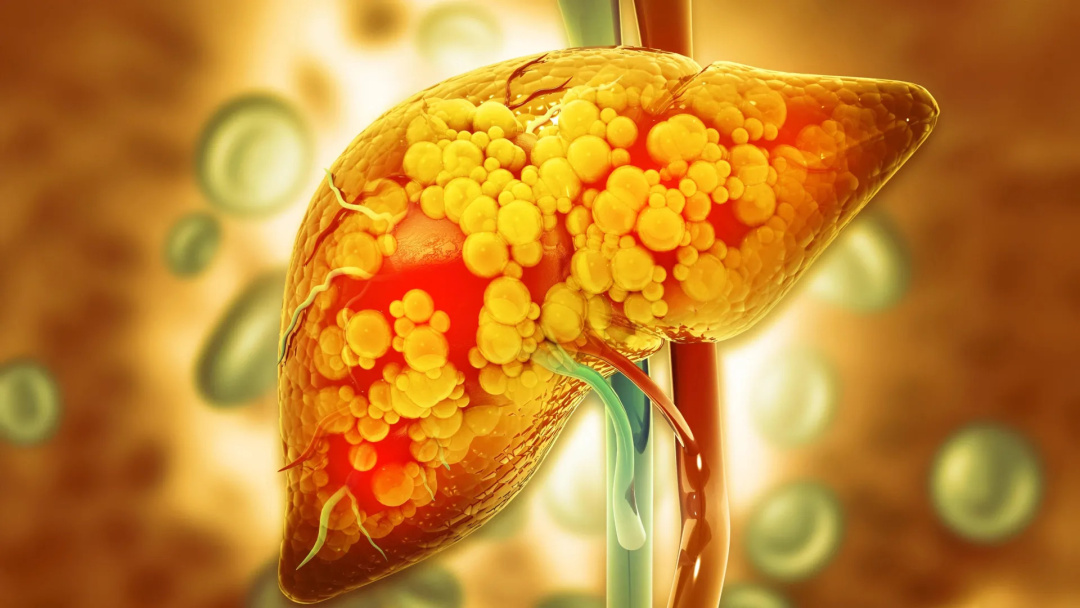
Study Reveals Phytoene in Tomatoes May Protect Against Fatty Liver Disease
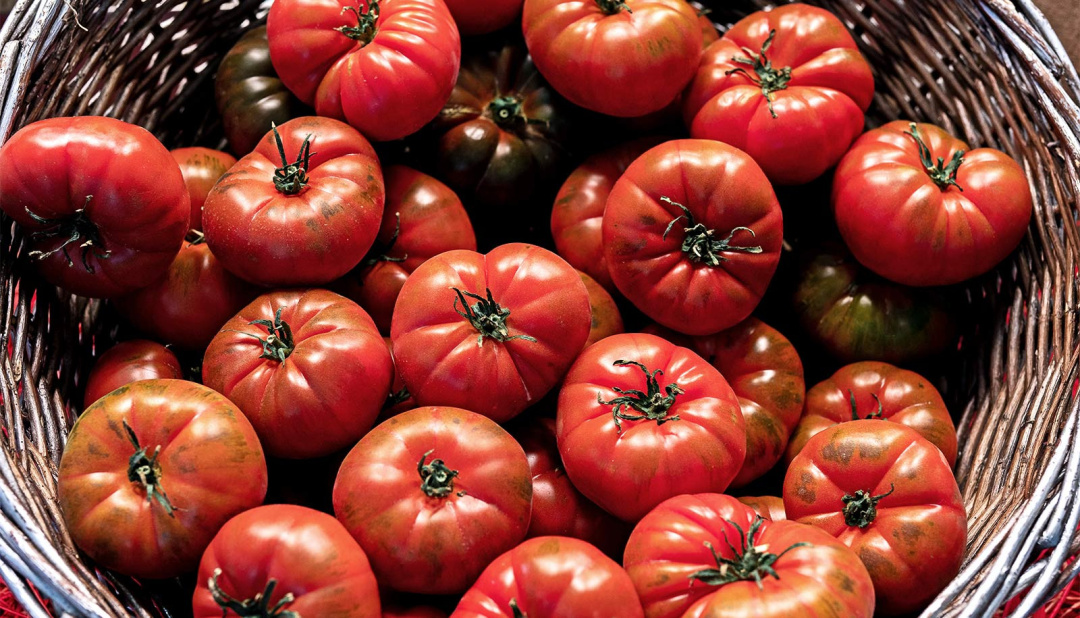
A new study from Tufts University suggests that phytoene, a lesser-known compound in tomatoes, may offer protective benefits against fatty liver disease, which impacts more than one in three American adults. Traditionally, lycopene, the vibrant red pigment in tomatoes, has been recognized as the primary nutrient of interest. However, this research highlights the importance of phytoene, a colorless precursor to lycopene, in contributing to the protective effects of tomatoes against chronic fatty liver disease.
Published in the journal Molecular Nutrition & Food Science, the study found that mice supplemented with phytoene developed significantly less fatty liver disease compared to those on a similar unhealthy diet without the compound. Phytoene is not visible in ripe tomatoes but is a natural building block that plants convert into lycopene and other carotenoids, which are responsible for the bright colors of many fruits and vegetables.
In the United States, approximately 100 million adults are estimated to have metabolic dysfunction-associated steatotic liver disease, a condition characterized by excessive fat accumulation in liver cells. This can lead to liver inflammation and, in severe cases, cirrhosis. While tomatoes have long been associated with liver health, previous studies have shown that tomato powder can provide more protection than purified lycopene, indicating that other compounds in tomatoes may also play a role.
Na Youn Lee, the lead author of the study and a PhD candidate at the Gerald J. and Dorothy R. Friedman School of Nutrition Science and Policy at Tufts University, noted that both lycopene and phytoene are present in substantial amounts in tomatoes and tomato products. Importantly, phytoene is more readily absorbed by the body compared to lycopene.
In this study, researchers fed two groups of mice a high-refined-carbohydrate diet for six months to replicate dietary patterns linked to fatty liver disease in humans, including high sugar intake. Half of the mice received phytoene supplementation equivalent to the daily intake from three to four medium-sized raw tomatoes or about 100 grams of tomato paste.
The results showed that the mice receiving phytoene developed much less severe fatty liver disease. The protective effects of phytoene appeared to stem from its ability to activate key proteins that regulate liver metabolism, promoting the burning of excess fat for energy rather than allowing it to accumulate. Mice lacking the enzymes necessary to metabolize phytoene accumulated more of the compound but did not experience the same liver protection, suggesting that smaller metabolites produced during phytoene breakdown may be responsible for its benefits.
Additionally, the study found that female mice accumulated more phytoene in their livers than males, indicating that sex may influence the absorption and metabolism of this compound. The authors suggest that future research could investigate whether these differences affect phytoene’s protective capabilities against fatty liver disease.
The implications of this research are significant, as phytoene is abundant not only in tomatoes but also in various fruits and vegetables, including carrots, red peppers, pink grapefruit, watermelon, and apricots. If further studies confirm these findings, increasing the intake of phytoene-rich foods could be a beneficial strategy for preventing or managing metabolic liver disease in at-risk populations.
This study was supported by a cooperative agreement with the U.S. Department of Agriculture’s Agricultural Research Service and an award from the U.S. Department of Agriculture’s National Institute of Food and Agriculture. Complete information on the methodology and potential conflicts of interest is available in the published paper.