Innovative Cookie Made from Plastic Waste Could Address Food and Environmental Challenges
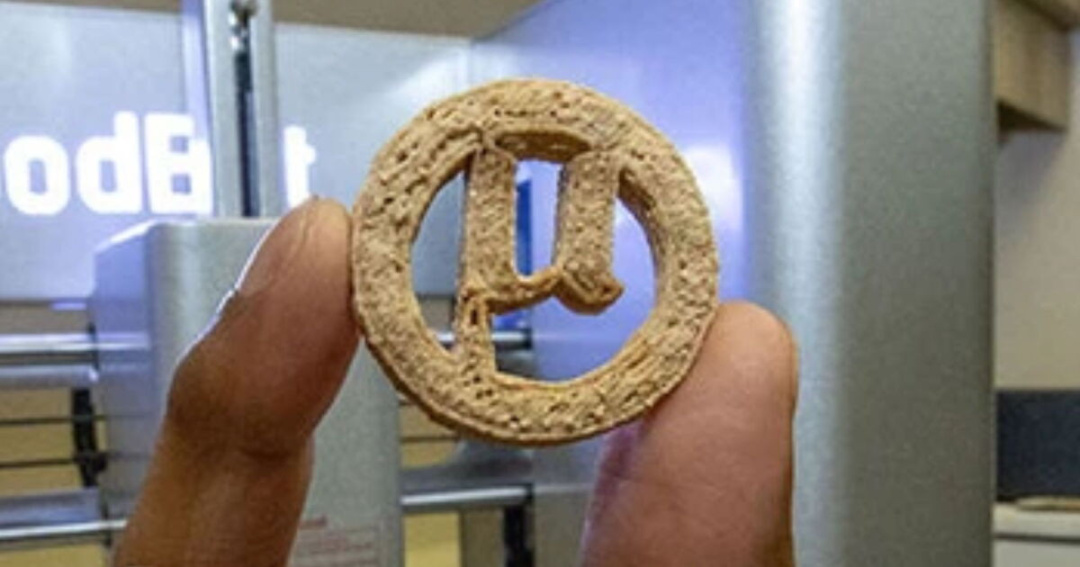
Researchers have unveiled a groundbreaking approach to food production that combines the recycling of plastic waste with agricultural byproducts. This innovative method, presented at the Fall Meeting of the American Chemical Society, centers on creating a protein-rich cookie from a mixture of degraded polyethylene terephthalate (PET) and discarded corn stalks. The project, funded by NASA, aims to address two pressing challenges: the increasing environmental threat posed by plastic waste and the growing need to feed a rising global population.
Lahiru Jayakody, an applied microbiologist from Southern Illinois University Carbondale, emphasizes the urgency of the situation, noting that global food demand is projected to increase by 35 to 56 percent by 2050, with approximately 30 percent of the world population at risk of hunger. To tackle this issue, Jayakody and his team have genetically modified several yeast species to convert waste materials into human-consumable food products.
One of the yeast strains, Saccharomyces cerevisiae, was engineered to produce vanillin, a flavoring agent, from ferulic acid. Another strain, Rhodosporidium toruloides, was adapted to utilize ethylene glycol as a carbon source, yielding β-carotene, a precursor to vitamin A. By processing a blend of waste materials into a digestible form, the researchers created a mash rich in proteins and fats, which can be further enhanced with starch, fiber, and sweeteners to form a cookie-like snack.
The final product, dubbed µBites, is produced using a 3D printer to shape the cookie into a branded micro-symbol. While the team awaits regulatory approval for human consumption, they are confident in the safety of their creation, which utilizes inedible plastic polymers as a base.
Jayakody explains their motivation: "We were trying to develop technologies for plastic upcycling to make more valuable products. We thought, why not focus on making food? Because plastic is carbon and food is carbon."
The concept of using microbes to convert waste into useful products is not new. Researchers have long explored biological methods to transform plastic and agricultural waste into valuable items like fuel or construction materials. However, the economic viability of collecting and processing plastic waste into food remains a significant challenge.
Despite these hurdles, the development of engineered microbes capable of converting waste carbon into food could be crucial for future missions, including those aimed at sustaining human life on other planets. This research highlights the potential of innovative solutions to address both food security and environmental sustainability in an increasingly resource-constrained world.