Global Efforts Insufficient to Achieve Sustainable Food System Goals by 2030
A new report indicates that worldwide efforts to develop sustainable and resilient food systems are not progressing quickly enough to meet the internationally agreed deadlines, particularly the Sustainable Development Goals (SDGs) set for 2030. This research builds on earlier studies that tracked various goals aimed at eliminating hunger and poverty, among others. The report, spearheaded by the Food Systems Countdown Initiative and published in Nature Food, reveals that achieving these targets is now deemed virtually impossible within the remaining timeframe.
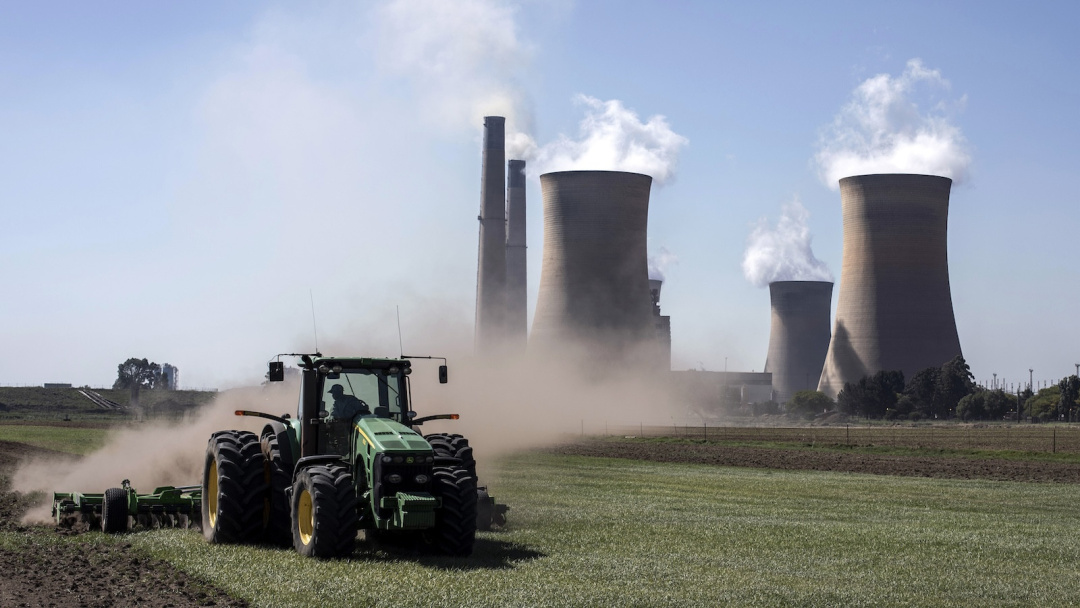
The authors of the report have created an interactive dashboard that allows users to assess how nearly every country is performing on about 50 different metrics related to food systems. These metrics include the cost of a healthy diet, the availability of fruits and vegetables, agricultural yields, and greenhouse gas emissions associated with food production. The findings present a concerning picture, particularly regarding environmental metrics, as emissions from agricultural systems are increasing, posing a significant challenge to global warming reduction efforts. According to the U.N. Food and Agricultural Organization, agriculture accounts for approximately one-third of human-caused greenhouse gas emissions.
To achieve net-zero emissions from agri-food systems by 2030, the report states that every region would need to enhance its progress by around 70 percent annually over the next four years. Bianca Carducci, an independent nutrition scientist and lead author of the study, expressed skepticism about the feasibility of such an increase, noting that many countries currently see only about a 5 percent improvement per year on some indicators.
Despite the discouraging data, Carducci emphasizes the importance of viewing these figures in a broader context. While the 70 percent increase is necessary at a regional level, individual countries may still be making significant strides in reducing their emissions. The report highlights the complexity of measuring progress, as improvements in one area might not reflect overall success or failure.
Michael Puma, a professor at Columbia University’s Climate School, who was not involved in the report, pointed out that measuring success is not binary. The report also illustrates the interconnectedness of various metrics, such as the relationship between greenhouse gas emissions and factors like agricultural water use and fisheries. These interrelations suggest multiple pathways to reduce emissions in food systems.
The authors argue that while ambitious deadlines like those set by the SDGs can sometimes obscure opportunities for improvement, they should not deter action. When examining a longer timeline, such as 2050, regions may be better positioned to meet their nutritional and environmental goals. However, Carducci warns against complacency, urging leaders not to abandon efforts simply because the 2030 targets seem out of reach.
Puma cautions that overly ambitious deadlines can lead to quick fixes that may not be sustainable in the long run. He advocates for a focus on creating realistic pathways to achieve these goals, along with accountability measures to ensure progress is made. The report underscores the urgent need for concerted global action to address the pressing challenges facing food systems today.