Ketogenic Diet Offers Enhanced Liver Health Benefits Beyond Weight Loss, Study Finds
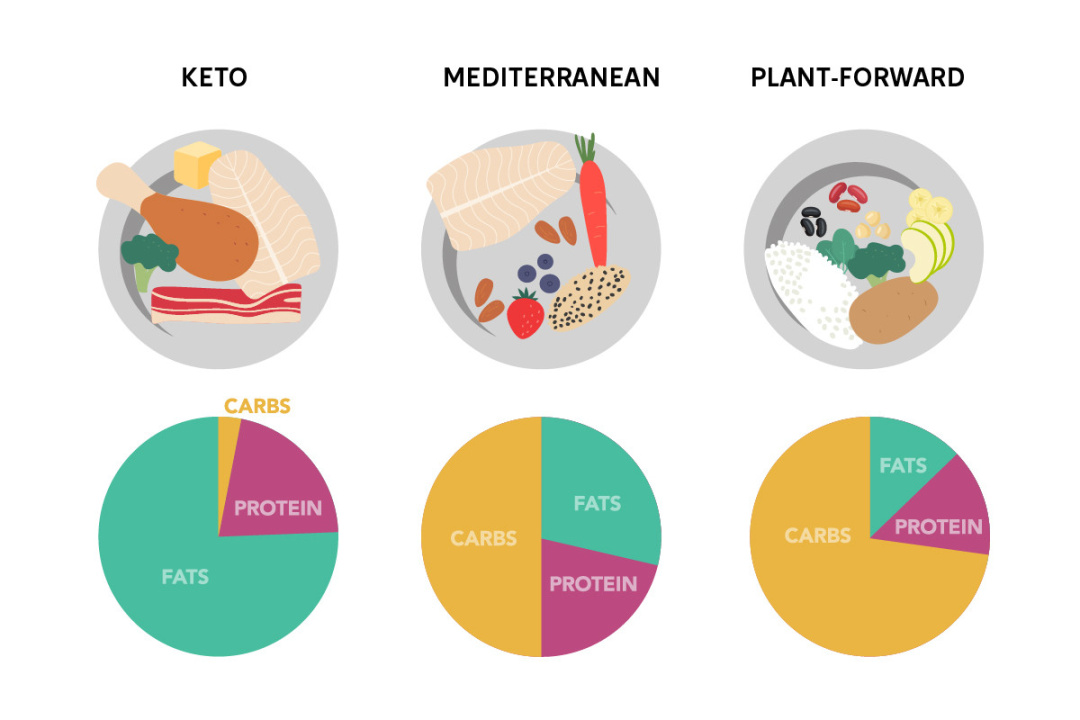
A recent randomized clinical trial conducted by researchers at Washington University School of Medicine in St. Louis has revealed that not all diets are equally effective in enhancing metabolic health, particularly in individuals with obesity and related conditions. The study, published in Cell Metabolism on August 27, found that while weight loss is beneficial across various diet plans, a ketogenic diet provides additional advantages for liver health and blood sugar management.
The trial compared three popular diets: a low-carbohydrate, high-fat ketogenic diet; a high-carbohydrate, low-fat plant-forward diet; and a Mediterranean diet. Over the course of approximately five months, 55 adults with metabolically unhealthy obesity—characterized by prediabetes and fatty liver—were randomly assigned to one of these diets. Participants received all their food from the researchers and attended weekly meetings with dietitians to ensure adherence.
All groups experienced similar weight loss, averaging a reduction of about 10% of their initial body weight, and showed a significant increase in insulin sensitivity in muscle cells. This suggests that the weight loss itself was the key factor in improving muscle insulin resistance, rather than the specific macronutrient composition of the diets.
However, the findings diverged when it came to liver health. Participants on the ketogenic diet exhibited a two to three times greater improvement in insulin sensitivity in liver cells compared to those on the other diets. Additionally, the ketogenic diet led to a 67% reduction in liver fat, while the other diets resulted in a 45% reduction. This is particularly significant given that fatty liver disease is a major concern, affecting approximately 75% of adults with obesity worldwide.
The ketogenic diet also demonstrated superior blood sugar control, with participants showing a 20% reduction in 24-hour blood glucose levels, compared to just 8% in the other diets. Insulin levels decreased by 74% in those following the ketogenic plan, highlighting the diet's effectiveness in reducing the pancreas's workload in insulin production.
Notably, half of the participants on the ketogenic diet reversed their prediabetes, compared to 29% on the Mediterranean diet and only 7% on the high-carbohydrate diet. This indicates that while weight loss is universally beneficial for those with metabolic issues, the type of diet can significantly influence specific health outcomes.
The researchers, led by Dr. Samuel Klein and including Dr. Max C. Petersen, emphasize that the choice of diet is crucial for achieving optimal health benefits beyond mere weight loss. Future research will aim to explore the underlying mechanisms that contribute to these metabolic advantages, including the role of GLP-1 medications that assist in weight management.