Trump Administration's 90-Day Beef Tariff Waiver Faces Criticism from Ranchers
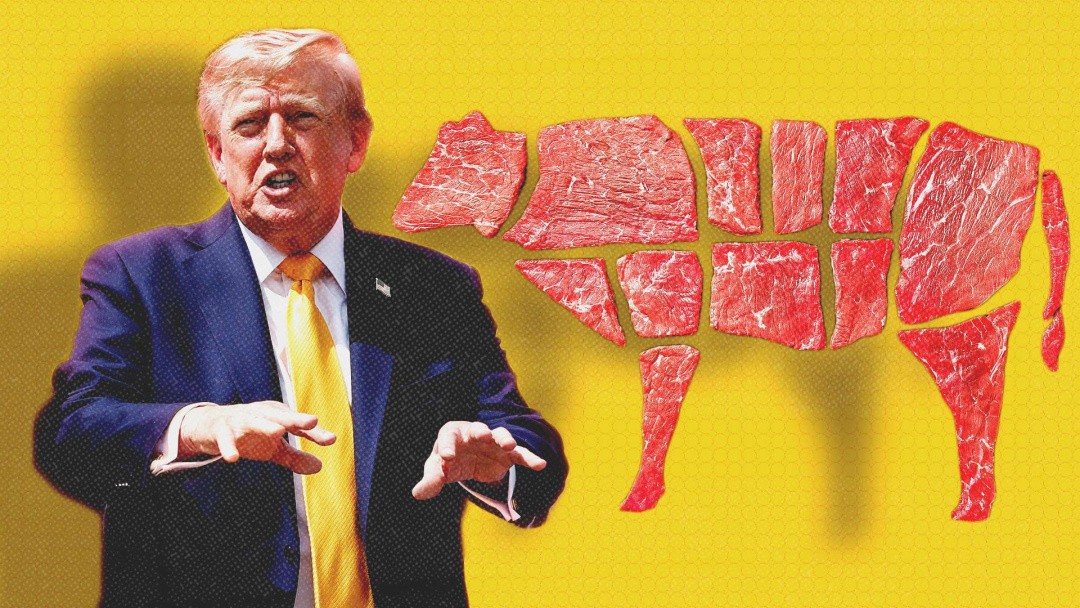
American ranchers are expressing strong discontent with the Trump administration following the announcement of a 90-day waiver on beef tariffs. This waiver permits the importation of up to 300,000 metric tons of ground beef beyond the established tariff-rate quota without incurring tariffs. The proposal has drawn sharp criticism from cattlemen, farmers, and various lawmakers. Senator Deb Fischer (R–Neb.) voiced her disappointment, stating that the plan jeopardizes the American beef industry. Similarly, Senator John Barrasso (R–Wyo.) emphasized that consumers prefer U.S. beef over foreign imports, while Senator Tim Sheehy (R–Mont.) acknowledged the president's intentions but warned that the plan could hinder ranchers' efforts to rebuild their herds and stabilize prices for consumers.
Under this new policy, the imported beef is expected to be sold at a discount of 25 percent below current market prices, although specifics of the pricing strategy have yet to be disclosed. Reports indicate that imported beef is already trading at significant discounts, which may provide some relief to consumers who have faced a 24 percent increase in beef prices since the start of Trump's second term. This price surge has occurred alongside a 12 percent increase in U.S. beef imports compared to the previous year.
However, this tariff waiver is seen as detrimental to American beef producers. Colin Woodall, CEO of the National Cattlemen's Beef Association (NCBA), expressed disappointment with the president's decision. He stated that while cattle producers aim to keep grocery prices affordable, flooding the market with government-subsidized beef could undermine the long-term health of the cattle industry. Woodall noted that such market interventions could stifle herd expansion and jeopardize the stability of the industry, which is already grappling with a significant supply shortage.
The Department of Agriculture reports that the U.S. cattle herd is at its lowest level since the 1950s, with over 79 percent of beef cattle in the largest producing states facing challenges due to drought and adverse weather conditions. Rebuilding the cattle herd will require time and a shift away from short-term solutions like tariff waivers. While the domestic beef industry struggles to meet market demand, it also faces criticism for resisting competition that could benefit consumers.
The administration's approach highlights a broader issue: the need for long-term policy solutions rather than temporary fixes. By cutting tariffs to reduce beef prices, the Trump administration acknowledges the price-raising effects of tariffs. However, critics argue that a more sustainable solution would involve lifting tariffs and quotas on beef imports permanently, rather than implementing a short-term waiver that may not address the root causes of high prices. This situation underscores the complexities of balancing consumer needs with the realities of domestic agricultural production.