Smoking Cessation's Impact on Left Ventricular Hypertrophy: A Six-Year Study
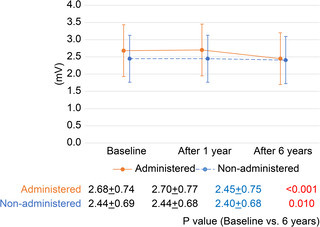
Electrocardiographic left ventricular hypertrophy (LVH) is a recognized risk factor for cardiovascular morbidity and mortality. A recent study aimed to explore the relationship between smoking cessation and the regression of electrocardiographic LVH over a six-year period. This research involved a cohort of 752 non-hypertensive participants who underwent annual health check-ups, with a mean age of 47.8 years. LVH was assessed using the Sokolow–Lyon criteria, which defines LVH based on specific voltage measurements from the electrocardiogram (ECG).
The study found that, after six years, the average left ventricular voltage decreased significantly, from 2.47 mV to 2.41 mV, and the prevalence of LVH declined from 8.4% to 6.5%. Notably, this regression occurred despite an increase in average body weight and systolic blood pressure among participants. The study also highlighted that antihypertensive medication was an independent predictor of LVH regression, indicating that both smoking cessation and medication management play crucial roles in cardiovascular health.
The implications of these findings are significant, as they suggest that smoking cessation may lead to structural improvements in the heart, independent of other factors such as weight gain or blood pressure increases. This is particularly important given that smoking is a well-documented risk factor for cardiovascular diseases, and its cessation could provide additional benefits beyond the reduction of traditional risk factors.
The study's results align with previous research indicating that smoking cessation can lead to improvements in cardiovascular health, but it also emphasizes the need for ongoing monitoring of weight and blood pressure after quitting smoking. The authors recommend that healthcare providers encourage patients to quit smoking while also being mindful of potential weight gain and the need for antihypertensive treatment if blood pressure rises post-cessation.
However, the study acknowledges certain limitations, such as the reliance on ECG criteria, which may underestimate true LV mass compared to more advanced imaging techniques like echocardiography or cardiac MRI. Future research is necessary to validate these findings and assess whether the regression of LVH translates into improved clinical outcomes for patients who quit smoking.