Texas AG Investigates Avocado Oil Fraud Following UC Davis Study Findings
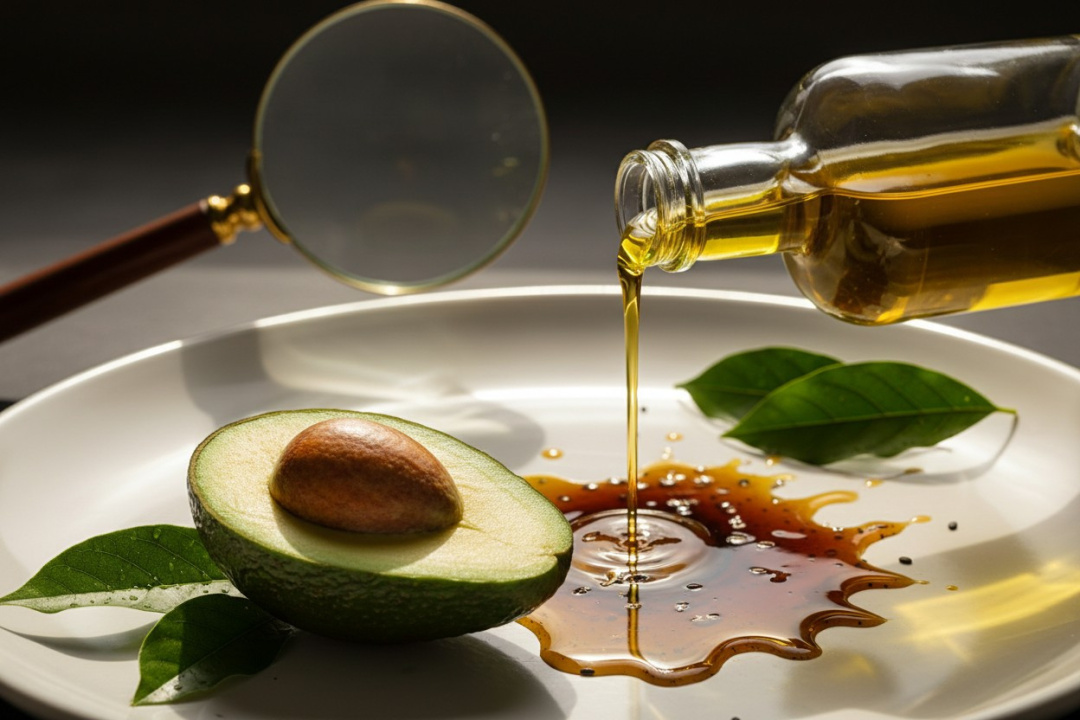
Avocado oil has gained popularity among health-conscious consumers as an alternative to seed oils, but recent findings raise serious concerns about the authenticity of many products marketed as containing avocado oil. Texas Attorney General Ken Paxton has announced an industry-wide investigation into these products following evidence of widespread mislabeling. This action comes after a 2026 study conducted by researchers at the University of California, Davis, which discovered that 89% of the 54 avocado oil-labeled processed foods tested were found to be adulterated with less expensive oils such as soybean oil.
The research, published in the journal Applied Food Research, revealed alarming results: 93% of chip samples, 71% of mayonnaise samples, and all salad dressing samples contained undisclosed seed oils. The researchers sourced these products from both online retailers and California stores between 2025 and 2026, highlighting a troubling trend in food labeling practices.
This is not the first instance of avocado oil authenticity being questioned. A previous study from 2020 by UC Davis indicated that 82% of commercial bottled avocado oils were either rancid or mixed with other oils, and another study found similar issues with 70% of private label oils. In contrast, when the same purity tests were applied to 20 olive oil-labeled processed foods, only one sample failed, underscoring the stark difference in regulatory scrutiny between the two oils.
The economic motivation for adulteration is evident, as avocados yield a relatively small amount of oil and are costly, while seed oils are significantly cheaper. This price disparity presents a temptation for suppliers to cut corners, leading to widespread misrepresentation in the market.
To verify the authenticity of the oils, researchers analyzed fatty acids and sterols, which are unique chemical compounds found in each type of oil. They also examined whether processing methods, such as deep frying or emulsifying, could alter these chemical signatures. Their findings indicated that such processing had minimal impact on the chemical profiles.
The study employed conservative criteria, allowing for a 10% margin of deviation to account for natural variations in avocado types and geographic origins. Despite this leniency, 89% of the avocado oil products still failed to meet authenticity standards.
Selina Wang, a professor of Cooperative Extension at UC Davis and the study's lead author, noted that brands whose products failed the authenticity tests might be unaware of the adulteration, as many food companies rely on third-party brokers for their oil supplies without conducting rigorous testing. Wang emphasized the need for accountability in the supply chain, stating, "If consumers are buying potato chips that say they're made with 100% avocado oil, that should be the product that they're getting."
The Texas Attorney General's office has issued Civil Investigative Demands to several companies, including Primal Kitchen, Siete Foods, and Chosen Foods, with more companies likely to be scrutinized. The investigation aims to determine whether these companies have violated the Texas Deceptive Trade Practices Act.
As consumers increasingly gravitate towards avocado oil products, often at premium prices, nutrition experts caution that while avocado oil does offer health benefits, the evidence supporting its superiority over other oils remains limited. Sarah Berry, a professor of nutrition at King's College London, pointed out that while there is substantial research backing the health advantages of extra virgin olive oil and most seed oils, direct evidence for avocado oil is less robust. This raises questions about whether the higher prices consumers pay are justified, especially when they may not be receiving the authentic product they expect.
The investigation by Texas authorities, coupled with ongoing research at UC Davis, highlights a growing awareness of fraud in the avocado oil market. For consumers, the key takeaway is that product labels may not always accurately reflect the contents, prompting a need for vigilance when selecting oils. The outcome of this investigation could lead to increased accountability in the avocado oil industry, ensuring that consumers receive the genuine products they are paying for. As Attorney General Paxton stated, "Consumers should not have to worry if they are being deceived by labels when trying to choose healthier options at the grocery store."
In light of these findings, consumers are advised to be cautious with products labeled "made with avocado oil," as they may contain undisclosed seed oils. Those in search of reliable options might consider alternatives with established purity records, such as extra virgin olive oil, until the industry resolves these authenticity issues.