Stunting Prevention Initiatives Must Start During Pregnancy, Says Deputy Minister
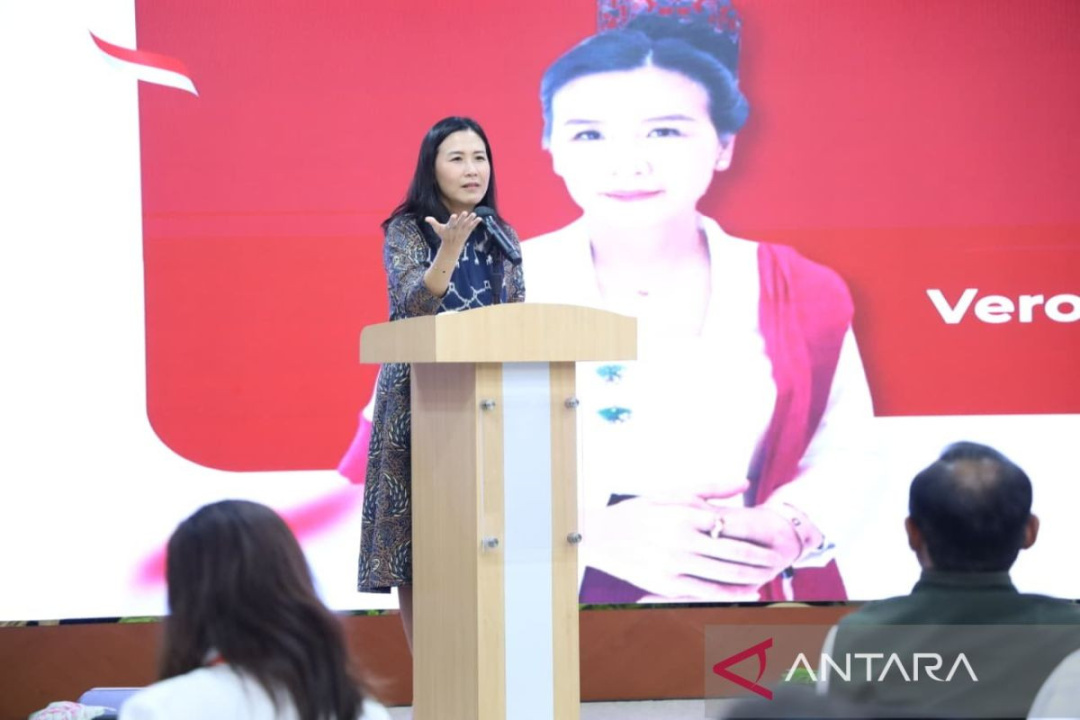
In a recent event in Jakarta, Indonesia's Deputy Minister of Women's Empowerment and Child Protection, Veronica Tan, underscored the critical need for stunting prevention to commence during the pregnancy phase. She stated that ensuring maternal health and adequate nutrition is essential for the future well-being of children. "When discussing stunting, we must start with the mother. It is not just the health of the mother that matters, but also the future of the child. Therefore, it is crucial that mothers receive the necessary support to maintain their health and that of their babies," Tan remarked at the "Merdeka Stunting" event.
Tan emphasized that the responsibility for maternal health should not rest solely on women. Instead, she called for the involvement of fathers and other family members in various aspects, including pregnancy check-ups, nutritional needs, childbirth preparations, and childcare. "The health of mothers and children is a shared responsibility. Fathers and families must be engaged throughout the pregnancy journey to ensure both mother and child are healthy," she noted.
The Indonesian government has set an ambitious target to reduce the prevalence of stunting to 14.2 percent by the year 2029. Tan pointed out that paying attention to the health of pregnant women is a vital step in fostering a healthy generation of Indonesians. "While pregnancy is an experience unique to women, the health of mothers and children is a collective responsibility. Supporting pregnant women is crucial for promoting children's growth and development, which is essential for a healthy Indonesian generation. This is where the role of fathers becomes significantly important," she explained.
To improve family nutrition, the Ministry of Women's Empowerment and Child Protection is advocating for the use of locally sourced food through its Women's Local Food Garden program. This initiative aims to optimize local food potential while also creating economic opportunities for families. "Women can leverage the resources available in their surroundings, including food crops, medicinal plants, spices, and other commodities. These resources can enhance family food security and serve as a source of income," Tan added.
The emphasis on local food sources not only addresses nutritional needs but also supports economic resilience within communities. As Indonesia works towards its stunting reduction goals, the collaborative efforts of families, communities, and government initiatives will be essential in creating a healthier future for the nation's children.