Study Links High Consumption of Ultra-Processed Foods to Increased Prostate Cancer Risk
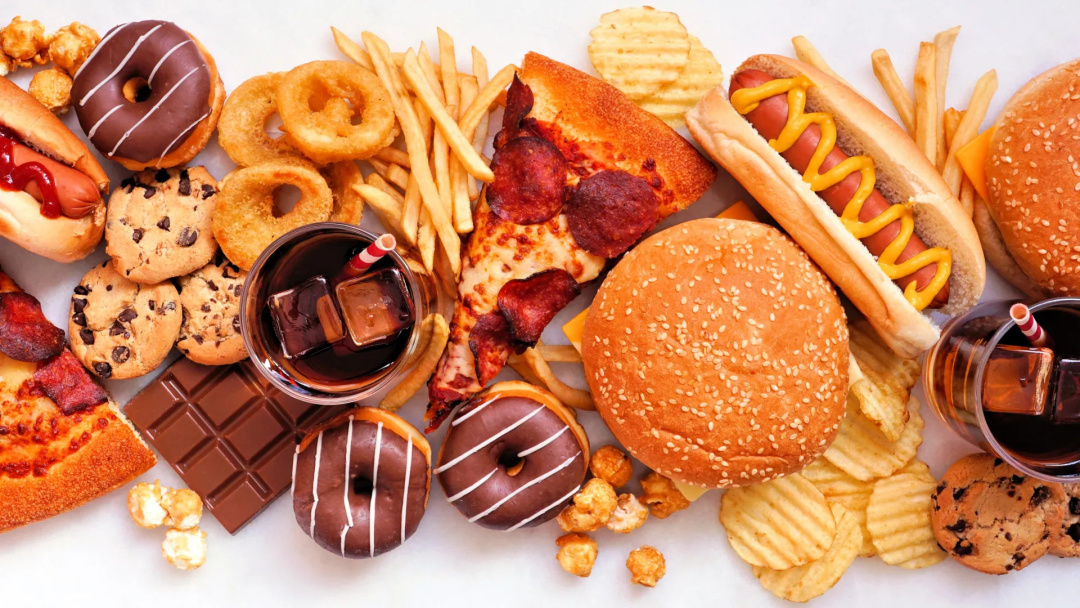
Ultra-processed foods (UPFs) are now a major component of the American diet, contributing nearly 60% of the calories consumed by adults and about 70% for children. These foods, which include items like soft drinks, packaged snacks, and processed meats, are often made with refined ingredients and additives that enhance flavor and shelf life but compromise nutritional quality. Recent research from Florida Atlantic University's Charles E. Schmidt College of Medicine has revealed a concerning link between high UPF consumption and prostate cancer risk in men. This study, published in The American Journal of Medicine, utilized data from the National Health and Nutrition Examination Survey (NHANES), which included over 17,000 U.S. men aged 18 and older, collected between 2003 and 2023. To assess UPF consumption, researchers analyzed two 24-hour dietary recalls for each participant, categorizing their calorie intake based on the NOVA classification system. Participants were divided into four groups based on their UPF intake, ranging from those who derived less than 20% of their calories from these foods to those who obtained more than 44%. The findings revealed that men in the higher consumption groups had a 29% to 30% increased risk of developing prostate cancer compared to those in the lowest intake group. This association remained significant even after adjusting for factors such as age, race, smoking status, and socioeconomic status. Notably, men in the highest intake group exhibited a potential 34% increase in risk, although this result did not achieve statistical significance, likely due to a smaller number of prostate cancer cases in that group. Charles H. Hennekens, M.D., the senior author of the study, emphasized the implications of these findings, which add to the growing evidence that UPFs may have serious adverse health effects. He called for further large-scale observational studies and randomized trials to explore this hypothesis more thoroughly. The study's authors also highlighted the broader public health context, comparing the situation with tobacco use, where evidence of harm took decades to translate into effective policy changes. They noted that reducing UPF consumption poses a complex challenge, particularly given the widespread availability and affordability of these products. Timothy De Ver Dye, Ph.D., a co-author of the study, stressed the importance of addressing barriers to accessing healthier food options, suggesting that efforts must extend beyond individual dietary choices to improve access to nutritious, minimally processed foods. Prostate cancer remains a significant health issue in the U.S. and worldwide, with projections indicating that over 333,000 men will be diagnosed with the disease in 2026 alone. As healthcare professionals continue to advocate for healthy lifestyle practices, the findings of this study underscore the need for awareness regarding the potential risks associated with ultra-processed food consumption.