Study Suggests Precision Fermentation Could Reduce Land Use for Milk Production by 96%
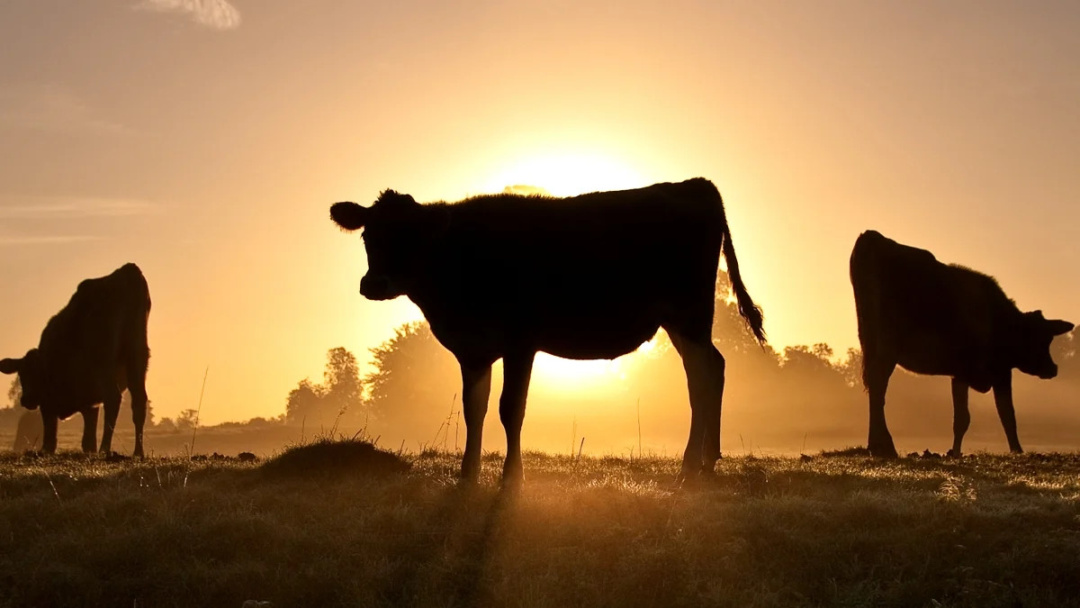
A recent study published in Frontiers in Sustainable Food Systems highlights a transformative approach to milk production that could significantly reduce land usage. Researchers from the UK have quantified how replacing traditional dairy milk with milk produced through precision fermentation could free up to 96% less land than conventional dairy farming. Currently, almost half of all habitable land on Earth is utilized for agriculture, with livestock farming dominating this landscape, contributing to environmental degradation while providing only a small fraction of global caloric intake and protein consumption.
The study, led by environmental scientist Jade A. Warren from Imperial College London, emphasizes the potential of precision fermentation, which employs genetically engineered microbes like yeast or fungi to create dairy proteins. This innovative method has been evolving since the 1980s, but recent technological advancements are paving the way for more efficient food production alternatives.
In the study, the researchers calculated the land required to produce one metric ton of precision fermentation milk and compared it to the extensive land needed for dairy cow grazing and feed production. Their findings suggest that if the UK were to replace just 20% of its annual milk production with precision fermentation milk, approximately 859 kilohectares (around 3,320 square miles) of land could be liberated. A 50/50 split would more than double this figure, and a complete transition to precision fermentation could reclaim an estimated 4,294 kilohectares, an area comparable to mainland Denmark.
This reclaimed land could serve various purposes, including rewilding, settlement, or producing food for the growing UK population. The researchers also noted that this shift could align with the UK's net zero goals by 2050, which aim to repurpose agricultural land to restore forests and peatlands.
While the study focuses on the UK, its implications could resonate globally, providing insights into how countries can reduce land usage in animal agriculture and redirect it towards more sustainable practices. The researchers acknowledge the political sensitivity surrounding dietary changes but argue that precision fermentation could offer a viable pathway for policymakers to address these challenges and reduce reliance on traditional animal agriculture.
The findings underscore the urgency of exploring alternative food production methods in a world where milk consumption continues to rise, highlighting the need for innovative solutions to balance food production with environmental sustainability.