Ancient Insights: How Greeks and Romans Addressed Bird Health Issues
Since the highly pathogenic H5N1 bird flu was first confirmed in Australian wild birds in June, it has rapidly spread across the continent, impacting various species. The virus has been linked to the deaths of over 1,000 crested terns in South Australia and several little penguins in Tasmania, with additional cases reported among long-nosed fur seals. In response, wildlife officers in Victoria have initiated an unprecedented vaccination program for thousands of little penguins, while the federal government has allocated funding to protect vulnerable native bird populations.
While the science behind these efforts is modern, the practical questions surrounding bird health are surprisingly ancient. Greek and Roman writers were already inquiring about the causes of bird sickness, the signs to look for, and the methods to treat them. Although we cannot definitively identify any ancient disease as avian influenza, evidence from historical texts indicates that there was a keen awareness of poultry health and attempts to manage outbreaks.
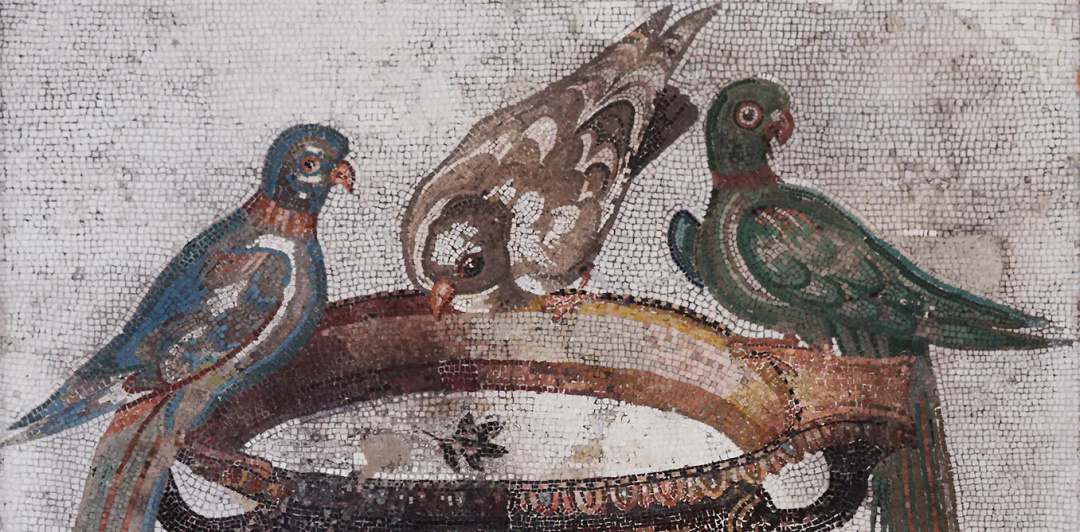
Birds played a significant role in daily life during ancient Greece and Rome, serving as sources of food, companionship, and religious significance. Their close relationship with humans meant that any signs of illness were quickly noticed. For instance, the Roman encyclopaedist Pliny the Elder noted the economic value of birds, stating that the people of Delos had begun the practice of fattening hens for sale.
Moreover, birds were often kept close to households. Athenaeus, a Greek writer, described the purple gallinule as a bird that would alert its owner to any inappropriate behavior among the women of the house, illustrating the intimate connection between humans and birds.
The ancient Greeks and Romans were attentive to the physical signs of bird health. Aristotle, the renowned philosopher, observed that weather conditions could affect birds and noted that unhealthy birds displayed disordered plumage, a clear indicator of their poor health.
While ancient writers lacked the ability to identify avian influenza as we understand it today, they recognized the importance of hygiene in poultry management. Columella, a Roman agricultural writer, documented a “fatal disease” affecting birds, characterized by symptoms such as swelling and pus around the eyes. He emphasized the need for cleanliness, recommending that birds be given pure water and that henhouses be regularly fumigated to prevent disease.
Columella also identified potential causes for poultry illness, linking it to cold weather, inadequate feeding, and contaminated water sources. This historical perspective underscores the notion that the health of birds is closely tied to their living conditions, a principle that remains relevant today in the context of managing outbreaks like H5N1.
The lessons from antiquity are clear: maintaining clean environments and proper care for birds is crucial in preventing disease. While the ancients did not understand the biological mechanisms behind these illnesses, they recognized the rapid spread of disease among birds and the necessity for prompt intervention to protect their health.