Muscle Grafts Show Promise in Mimicking Exercise Benefits for Metabolic Health
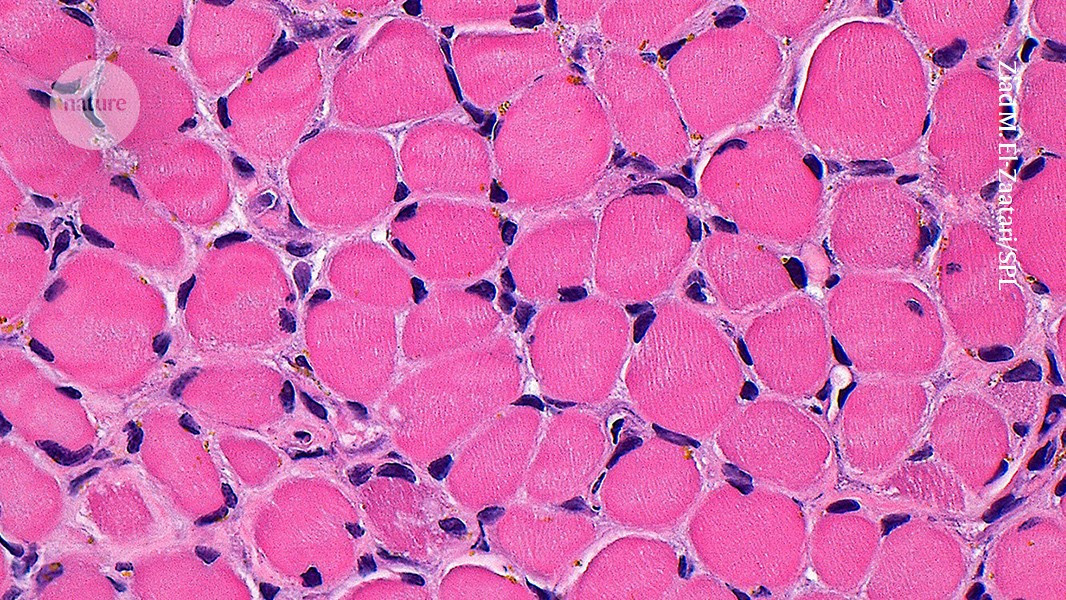
A recent study published in Nature Aging reveals that researchers have engineered muscle implants capable of contracting and mimicking some benefits of exercise. These implants, known as myografts, have demonstrated the ability to enhance muscle mass, strength, and bone density in mice, while also potentially slowing age-related muscle deterioration. The study's authors suggest that if these findings can be translated to humans, myografts could provide a valuable alternative for individuals suffering from muscle wasting due to aging or chronic conditions, particularly those who are bedridden and unable to engage in physical activity. Shyh-Chang Ng, a co-author of the study and a biologist at the Institute for Stem Cells and Regenerative Medicine in Beijing, emphasizes the challenge faced by many older individuals who need to exercise but are physically unable to do so. The concept of using muscle grafts to simulate the effects of exercise is intriguing, but as noted by physiologist James White from Duke University, achieving similar benefits in humans may require multiple grafts across the body, which could be impractical for frail or elderly patients. To create these myografts, researchers extracted stem cells from the quadriceps muscles of young mice, cultured these cells in the lab, and then injected them under the skin of the mice. This method allowed the cells to form organized muscle tissue that contracted continuously and developed its own blood supply. Over several months, the implanted cells were found to enhance muscle fiber thickness and reduce inflammation and fat accumulation compared to control mice. In older mice, those with myografts exhibited a greater proportion of lean mass and improved bone density after transplantation. They also performed better in physical function tests, demonstrating increased endurance and grip strength. Furthermore, when subjected to a high-fat diet, myografted mice maintained a healthier body composition, with less fat and lower blood glucose levels. The treatment also correlated with reduced systemic inflammation and improved cognitive function, as evidenced by increased exploration in maze tests. While the findings are promising, the research remains in the early stages, and further studies are needed to assess the feasibility and safety of myografts in human applications. The potential for these implants to address muscle loss in vulnerable populations underscores the importance of continued exploration in this innovative area of metabolic health research.