Research Highlights Key Foods for Healthy Aging and Metabolic Health
Researchers emphasize that while genetics play a role in lifespan, accounting for about 20%, the majority is influenced by lifestyle choices, particularly diet. A recent review published in the British Journal of Pharmacology explored the health benefits associated with a Mediterranean-style diet. This dietary pattern is noted for its ability to lower low-density lipoprotein (LDL) cholesterol, improve blood sugar regulation, reduce inflammation, and protect against oxidative stress. The review also linked this diet to healthy aging pathways, including gut microbiome health, mitochondrial function, and telomere stability. Experts recommend focusing on nutrient-dense foods while minimizing those that contribute to chronic inflammation.
Among the foods highlighted, berries such as strawberries and blueberries stand out as powerful sources of polyphenols, which combat oxidative stress and inflammation. Research indicates that diets high in blueberries are associated with slower aging processes. Additionally, higher consumption of fruit-based flavonoids, particularly anthocyanin-rich foods, has been linked to a reduced risk of nonfatal myocardial infarction and ischemic stroke in men.
A study from Semmelweis University examined the effects of polyphenol-rich foods on brain aging, concluding that a diet abundant in these compounds supports cognitive health as individuals age. The anthocyanins in berries act as potent antioxidants, helping neutralize free radicals that contribute to aging and disease.
Nuts, particularly walnuts and almonds, are also significant contributors to healthy aging. They are rich in polyphenols and omega-3 fatty acids, which are beneficial for bone, brain, and heart health. Research published in the Journal of the Science of Food and Agriculture highlights almonds as a nutrient-dense source of vitamin E, manganese, magnesium, and copper, all of which support overall health.
Green tea is another key player, containing catechins linked to reduced inflammation and lower cancer risk. Studies suggest that consuming two to six cups of green tea daily may help prevent skin cancer and reverse some sun damage effects. The polyphenols in green tea are recognized for their anti-inflammatory properties, which can benefit skin health.
Extra virgin olive oil (EVOO) is noted for its polyphenols and omega-3 fatty acids, which may help slow cognitive decline and prevent heart disease and cancer. An analysis from Semmelweis University identifies olive oil as a critical source of brain-supporting polyphenols. Furthermore, dietary phenolic compounds found in olive leaves have chemopreventive benefits against diseases linked to oxidation, such as cancer and neurodegenerative disorders.
Fatty fish, including salmon and sardines, are rich in omega-3 fatty acids that support heart and brain function. These fish are highlighted in reports on anti-aging foods, emphasizing their role in combating oxidative stress. The Mediterranean diet, characterized by regular fish and olive oil consumption, is associated with longevity and lower rates of chronic diseases.
Turmeric, containing curcumin, is recognized for its anti-inflammatory properties and potential to delay age-related changes and diseases. Chronic inflammation is increasingly understood as a significant factor in many age-related illnesses, including Alzheimer's disease.
Experts recommend older adults prioritize nutrients such as calcium, vitamin D, protein, B12, potassium, magnesium, fiber, antioxidants, and omega-3s. A study involving 14,576 U.S. adults found that higher intakes of vitamin B2 and B6 were associated with lower odds of advanced cardiovascular-kidney-metabolic syndrome.
Foods like beans, garlic, raw oats, leeks, and onions provide prebiotics that enhance mineral absorption and immune function. Conversely, fried foods, fast foods, and processed items are linked to chronic inflammation and should be limited to reduce the risk of early aging. A recent study indicated that high consumption of ultra-processed foods correlates with severe age-related muscle loss.
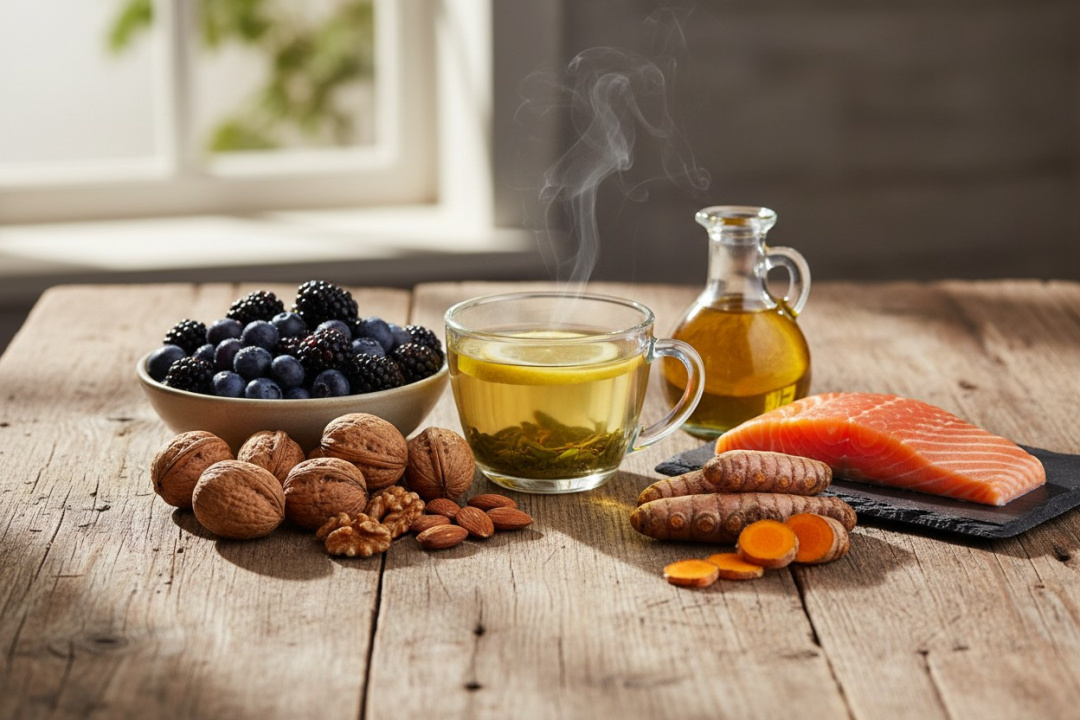
In conclusion, the evidence suggests that incorporating foods such as berries, nuts, green tea, extra virgin olive oil, seafood, and turmeric can support healthy aging by mitigating inflammation and oxidative stress. The Mediterranean dietary pattern, which includes these foods, is consistently associated with longer lifespans and reduced chronic disease risk. Avoiding inflammatory foods is equally crucial for minimizing chronic disease risk. The convergence of various studies supports the role of whole foods in providing essential nutrients for neuroprotection and overall health as individuals age.