Re-emergence of Porcine Getah Virus Raises Concerns for Pig Health and Industry
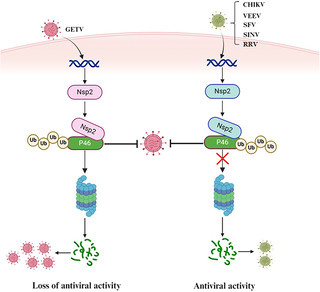
In recent years, the porcine Getah virus (GETV) has re-emerged as a significant threat to the pig industry, causing outbreaks of diarrhea-related diseases across various regions. This resurgence has raised alarms among veterinary and public health officials, particularly given the virus's potential for severe impacts on animal welfare and agricultural productivity. A recent study has successfully isolated a virulent strain of GETV, known as JLy1, from diarrheic piglets, providing critical insights into the virus's pathogenic mechanisms.
GETV, a member of the Alphavirus genus, has been linked to outbreaks characterized by severe diarrhea, high mortality rates among young piglets, and various systemic symptoms. The study highlights that all infected mice succumbed to the JLy1 strain, which caused extensive intestinal damage. Furthermore, GETV infection in 2-day-old piglets resulted in 100% mortality, underscoring the virus's virulence.
The research identified a host protein, P46, which appears to play a crucial role in the antiviral response against GETV. Notably, the study revealed that GETV employs a unique strategy to counteract the antiviral effects of P46 through a process of proteasome-dependent degradation mediated by its nonstructural protein 2 (nsP2). This mechanism is distinct from those used by other alphaviruses, such as chikungunya and Venezuelan equine encephalitis viruses, which may have implications for developing effective antiviral strategies.
The findings are particularly relevant as GETV has been increasingly detected in pig farms, with a recent epidemiological survey indicating a high prevalence of the virus across multiple farms in China. This trend suggests that GETV is evolving, potentially increasing its pathogenicity and outbreak frequency. The implications of these developments extend beyond animal health, as they pose risks to food security and public health due to the interconnectedness of animal and human health systems.
In conclusion, the re-emergence of GETV highlights the need for ongoing surveillance and research to understand its transmission dynamics and develop effective control measures. The study not only sheds light on the mechanisms of GETV pathogenesis but also emphasizes the importance of addressing emerging viral threats in the context of global public health.