Curcumin May Help Protect Blood Vessels from Damage in Type 1 Diabetes, Study Finds
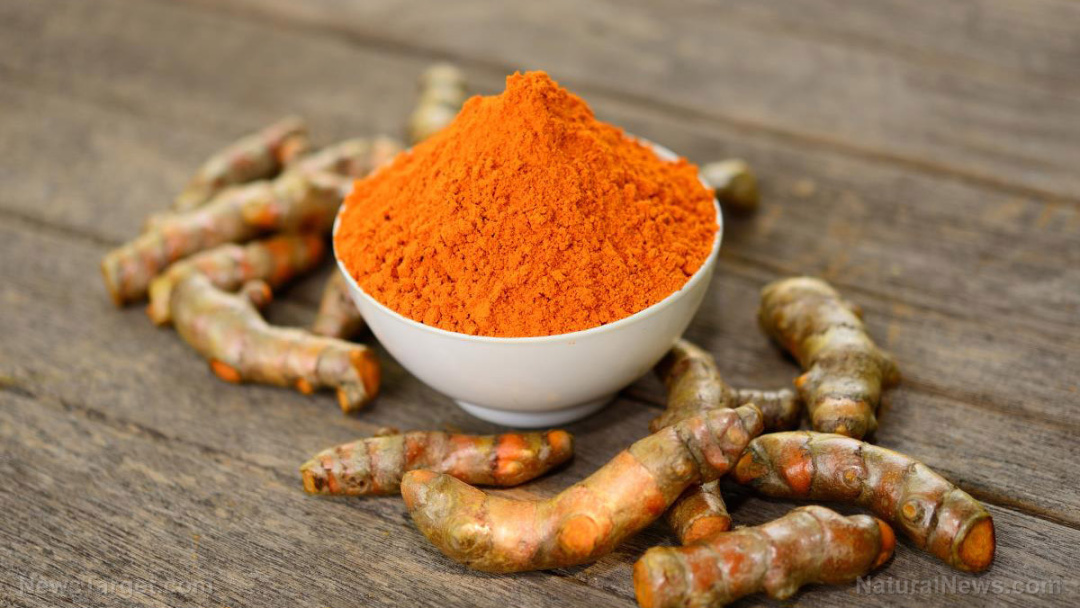
Curcumin, the compound that gives turmeric its bright yellow color, is known for its anti-inflammatory and antioxidant properties. Recent research presented at the 2026 American Physiology Summit in Minneapolis indicates that curcumin may also play a role in protecting blood vessels from damage related to Type 1 diabetes. The study, led by Swasti Rastogi, a PhD candidate at the Florida Institute of Technology, highlights curcumin's multifaceted benefits, which extend beyond its traditional use as a spice.
Type 1 diabetes is a chronic autoimmune condition affecting approximately 2 million individuals in the United States. While insulin therapy remains crucial for managing blood sugar levels, those with Type 1 diabetes are at a heightened risk of developing cardiovascular issues due to the damaging effects of prolonged high blood sugar on blood vessels. The research aimed to explore whether curcumin could mitigate this vascular damage.
In the study, researchers utilized a rat model of Type 1 diabetes, comparing the health of diabetic rats treated with curcumin to those that did not receive the compound. After one month of treatment, the rats that were administered curcumin exhibited significant improvements in vascular health, with results comparable to those of nondiabetic rats. This suggests that curcumin may help restore normal vascular function.
The findings revealed that curcumin treatment led to a reduction in inflammation and a restoration of normal calcium activity within the blood vessels. Additionally, curcumin appeared to help rebalance heat shock protein 70, which is often disrupted in diabetes. These combined effects indicate that curcumin could play a role in preserving the structural integrity and functionality of blood vessels, potentially lowering the cardiovascular risks associated with diabetes.
Despite these promising results, researchers emphasize caution. The study's findings are based on animal models, and there is a need for further research, including clinical trials, to determine whether similar benefits can be observed in humans. Establishing safe and effective dosages of curcumin, as well as understanding potential interactions with other medications, will be critical before any recommendations can be made regarding curcumin supplementation for individuals with Type 1 diabetes.
As always, it is advisable for individuals to consult healthcare professionals before starting any new supplement regimen, particularly those with existing health conditions.