Processed Foods and Their Alleged Impact on DNA Integrity: A Critical Examination
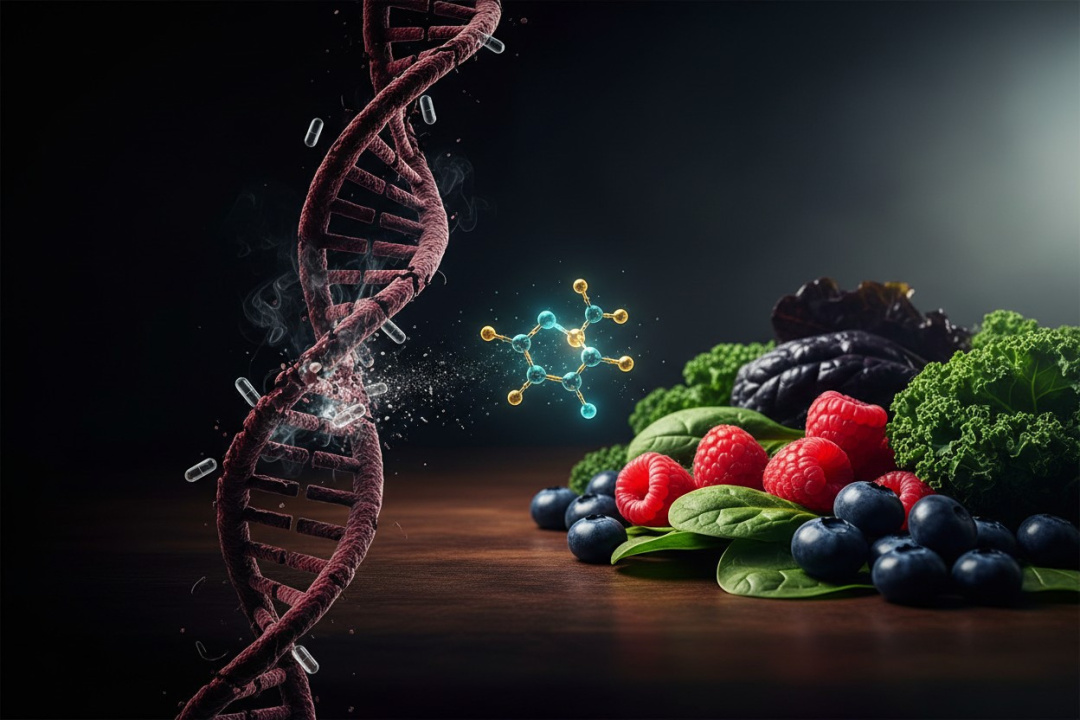
In a recent article, Mike Adams, an investigative journalist with two decades of experience in the food supply sector, presents a troubling perspective on the U.S. food system. He claims that the system operates as a coordinated profit engine that prioritizes corporate profits over public health, leading to widespread nutritional deficiencies and health issues. According to Adams, processed foods are engineered to be addictive and nutritionally void, contributing to chronic inflammation and metabolic diseases. This situation, he argues, creates a cycle where the pharmaceutical industry profits from treating symptoms rather than addressing the root causes of these health problems.
Adams points to a significant study from the European Prospective Investigation into Cancer and Nutrition, which found that higher consumption of ultra-processed foods correlates with adverse metabolic changes in the body. He emphasizes that these foods, which include packaged snacks and sugary drinks, are stripped of essential nutrients necessary for DNA repair, thereby exacerbating health issues.
Furthermore, he raises concerns about the influence of the food and pharmaceutical industries on U.S. dietary guidelines, noting that a substantial percentage of the advisory committee members have ties to these industries. This, he argues, leads to regulatory capture, where those profiting from health issues are also responsible for setting nutritional standards.
Adams discusses various sources of DNA damage that individuals cannot avoid, including environmental factors and modern medical interventions. He asserts that the body's natural repair mechanisms, which require specific nutrients, are overwhelmed by these factors, leading to an accumulation of damage over time. He warns that this could result in a rise in serious health conditions, including various forms of cancer and autoimmune disorders.
The article also highlights the importance of certain nutrients, such as apigenin and anthocyanins, which are found in fresh produce and are vital for gene repair. Adams argues that the processed food industry, by depriving consumers of these nutrients, contributes to a public health crisis.
In conclusion, while Adams presents a compelling narrative about the potential dangers of processed foods and their impact on DNA integrity, the claims require careful examination and verification. The implications of these assertions are significant, warranting further investigation into the relationship between diet, health, and the food industry's practices. As consumers, understanding these dynamics is crucial for making informed dietary choices that support overall health and well-being.