Hawaii's Use of Recycled Fishing Nets in Road Construction Shows Promising Results
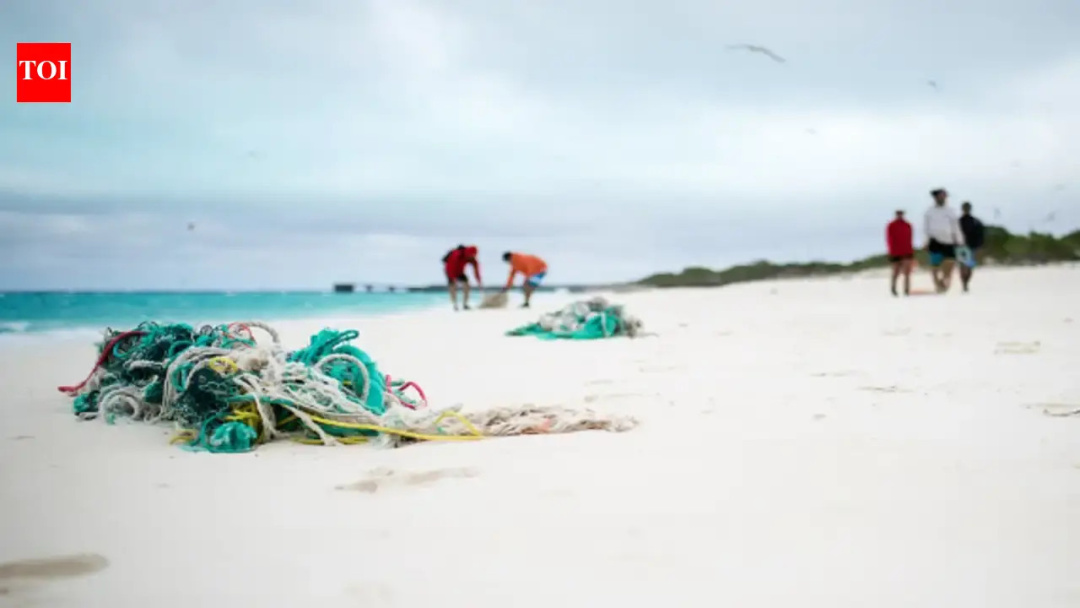
In an innovative approach to tackle plastic waste, researchers at Hawaiʻi Pacific University have investigated the incorporation of recycled fishing nets into asphalt for road construction. This initiative comes in response to the significant challenge posed by derelict fishing gear, which constitutes a major portion of marine debris in Hawaiian waters. The study aimed to determine whether using these recycled materials would lead to an increase in microplastic pollution compared to conventional asphalt.
The urgency of this research stems from Hawaii's struggle with plastic waste management, as shipping waste off the islands is costly and local landfills are nearing capacity. Moreover, the ocean currents continuously deposit large amounts of abandoned fishing gear on the shores. The Hawaiʻi Department of Transportation, recognizing the potential benefits of polymer-modified asphalt—known for its durability in tropical climates—sought to explore the feasibility of replacing some virgin plastic with recycled materials from the fishing nets collected through the Bounty Program, which incentivizes fishermen to retrieve lost gear.
In March 2026, the researchers presented their findings, noting that approximately 84 tons of fishing gear had been retrieved from the Pacific through this initiative. The experimental asphalt mixtures included a control sample of standard copolymer asphalt, a mixture with recycled polyethylene from recycling bins, and a mixture incorporating the recycled fishing nets.
After allowing normal traffic on the newly paved residential road in Oahu for 11 months, the researchers returned to assess whether the asphalt was shedding microplastics into the environment. They collected road dust from various segments of the pavement and analyzed it in the laboratory. The results indicated that the recycled polyethylene asphalt did not release more microplastics than the control sample. While microplastic particles were found in all tested samples, the study revealed that very few were identified as polyethylene, suggesting that the recycled material was effectively integrated into the asphalt binder.
However, the researchers faced challenges in isolating the signals from the recycled plastic due to the overwhelming presence of tire wear particles in the samples. This highlights the need for further research into the long-term durability and environmental impact of such materials in road construction. Despite these challenges, the study presents a promising avenue for addressing Hawaii's plastic waste dilemma, showing that roads made with recycled fishing nets can be as effective as traditional asphalt without contributing additional microplastic pollution.
Overall, this research not only provides insights into sustainable waste management practices but also emphasizes the importance of innovative solutions in the face of environmental challenges. Further studies are necessary to fully understand the long-term implications and durability of these eco-friendly roads.