Health Benefits of Pulses: Effects on Gut Health, Blood Sugar, and Cholesterol
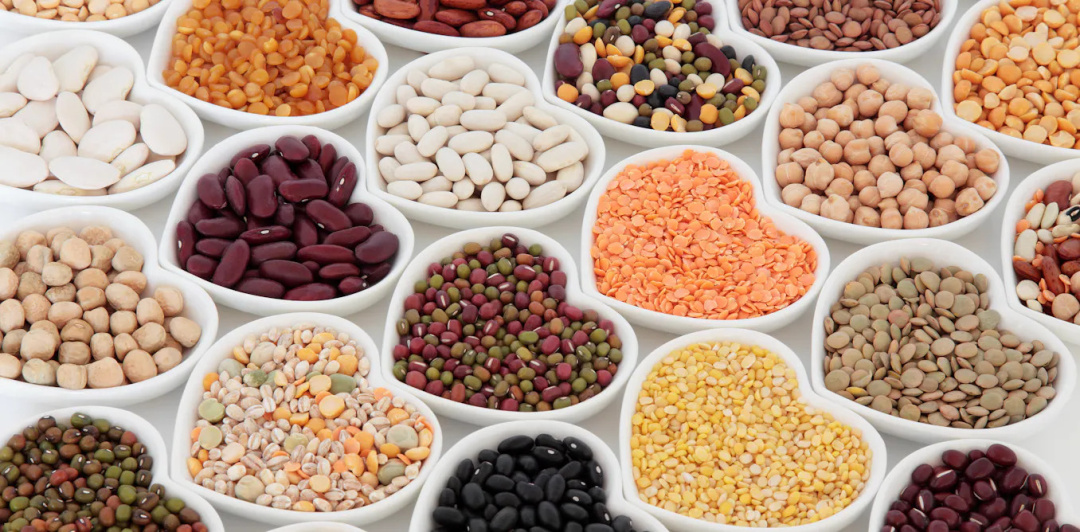
Lentils, beans, and chickpeas have been integral to human diets for thousands of years, with lentils being among the earliest cultivated crops. Despite their long history, scientists continue to explore the physiological effects of these pulses on our bodies. A recent review published in 2026 synthesized findings from various studies to assess the impact of pulses on gut health and metabolism. Pulses, which include lentils, chickpeas, dried beans, and peas, are the dried seeds of legume plants. The broader family of legumes also encompasses foods like soy and fresh peas.
The review compiled evidence from human studies alongside laboratory and animal research to determine the effects of pulses once consumed. Pulses are rich in plant protein and fiber, as well as carbohydrates that may not be fully digested before reaching the large intestine. This undigested material is significant because it interacts with gut microbes. When certain bacteria in the gut break down fiber and other carbohydrates, they produce short-chain fatty acids, which are beneficial for gut health and play a role in immune function and metabolism.
Researchers are particularly interested in how regular consumption of pulses might alter the composition of gut microbiota and the metabolites produced. While the review found promising evidence that pulses can positively influence the gut microbiome, much of this research is still based on laboratory and animal studies, indicating a need for more extensive human trials to confirm these findings.
In terms of blood sugar management, pulses have been shown to mitigate the post-meal rise in blood sugar levels. A comprehensive review that analyzed data from 65 clinical trials involving 2,102 adults—both with and without type 2 diabetes—indicated that incorporating pulses into meals significantly reduced blood sugar spikes after eating. This effect is likely due to the unique structure of pulses, which contain fiber and starch that digest slowly, making it more challenging for digestive enzymes to break down the carbohydrates.
However, the evidence for long-term changes in blood sugar control is less definitive. The same review noted some improvements in blood-sugar metrics, particularly among individuals with type 2 diabetes, but the researchers rated much of this evidence as low or very low certainty.
Additionally, there is evidence suggesting that consuming legumes can lead to modest improvements in cholesterol levels. A 2024 review of 24 trials involving 1,938 participants found small reductions in both total cholesterol and LDL cholesterol levels. LDL cholesterol is known to contribute to arterial plaque buildup, which increases cardiovascular disease risk. While the changes observed in these trials were minor, they indicate that pulses can be part of a heart-healthy diet rather than a standalone treatment for high cholesterol.
Pulses may also influence satiety, or how full we feel after eating. A systematic review and meta-analysis of short-term feeding trials revealed that participants reported greater fullness after meals containing pulses compared to other meals. However, this increase in satiety did not consistently lead to reduced food intake at subsequent meals, suggesting that while pulses may enhance feelings of fullness, they do not automatically result in lower overall consumption.
Pulses are also a source of essential minerals like iron and zinc, but they contain phytate, which can inhibit the absorption of these minerals. Preparation methods such as soaking and sprouting can reduce phytate levels and enhance mineral availability, although the effects vary depending on the food and preparation technique.
Moreover, pulses contribute to sustainable agriculture. Legume plants form symbiotic relationships with nitrogen-fixing bacteria in their roots, which convert atmospheric nitrogen into a usable form for plants. This characteristic makes legumes vital in farming systems, potentially reducing the need for synthetic nitrogen fertilizers.
Should we increase our intake of pulses? The evidence suggests that pulses can help lower blood sugar spikes, modestly improve cholesterol levels, and enhance feelings of fullness. However, more long-term human studies are necessary to fully understand these effects. Fortunately, incorporating pulses into meals is straightforward; lentils can be added to soups, curries, and salads, chickpeas can be blended into hummus or roasted, and beans can be included in stews, wraps, and pasta dishes. As research continues to uncover the benefits of pulses, their role in our diets remains significant, linking ancient agricultural practices with modern nutritional science.