Studies Reveal Impact of Low Fiber on Gut Microbes and Health Outcomes
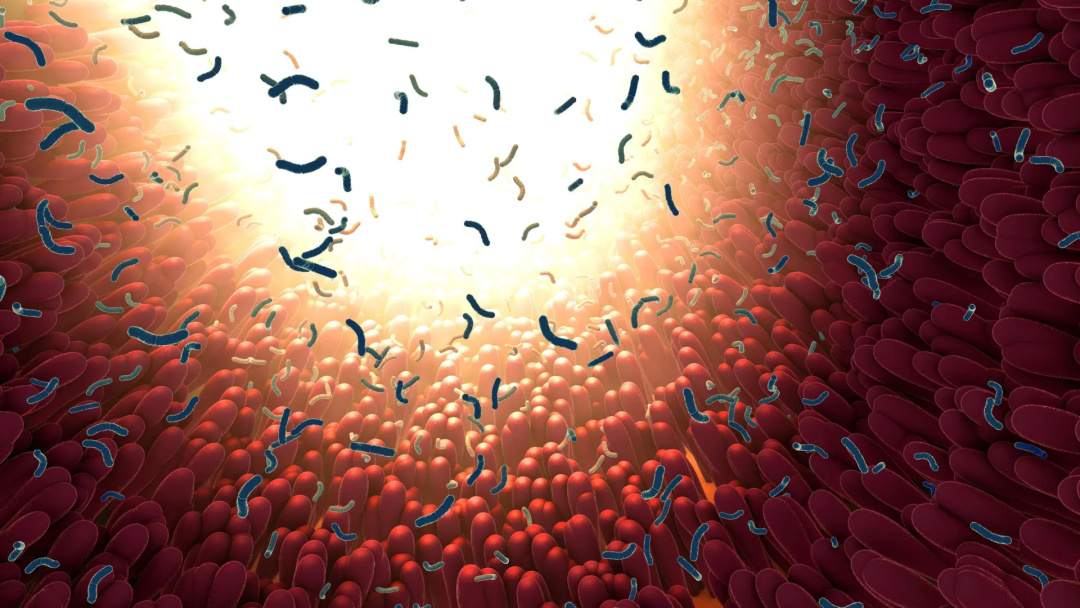
Recent research conducted by scientists at the Ludwig Institute for Cancer Research at Princeton University sheds light on the critical role of dietary fiber in gut health. The studies reveal that when dietary fiber is scarce, gut microbes may begin to consume proteins from the mucus lining that protects the gut. This process produces harmful metabolites that could adversely affect health. The findings were published in the Proceedings of the National Academy of Sciences (PNAS) and Nature Metabolism, contributing to a deeper understanding of how diet influences gut microbiome composition and metabolic health.
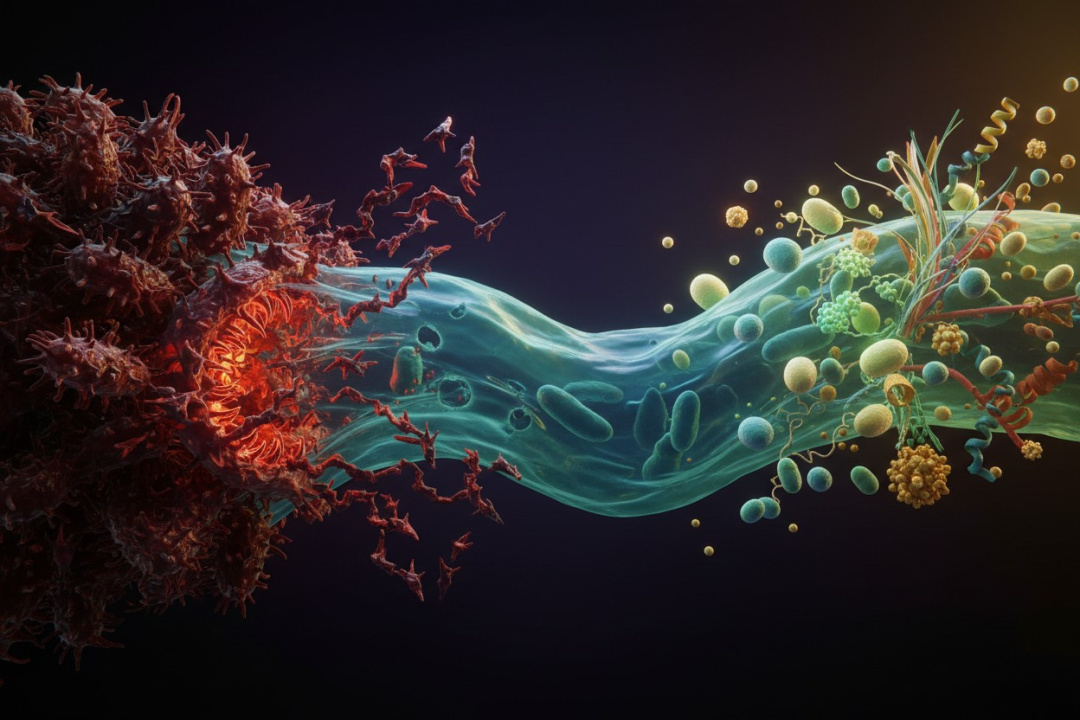
In the PNAS study, researchers Jenna AbuSalim and Joshua Rabinowitz utilized isotope tracing in mice to examine how plant-based foods impact the production of phenol metabolites derived from amino acids like tyrosine and phenylalanine. They discovered that harmful phenols are produced when gut bacteria break down proteins from the host, including those found in the gut's mucus lining. Conversely, beneficial phenols arise from indigestible proteins in the diet, referred to as Prif. The presence of fiber was shown to reduce the bacterial breakdown of the gut's protective mucus lining, which in turn lowered the levels of harmful phenols. The study emphasizes the dual importance of fiber and indigestible plant proteins in promoting gut health.
AbuSalim noted, "Our studies showed that both the fiber and indigestible proteins from plants -- which we call 'proteins imitating fiber,' or Prif -- shift the balance of phenol metabolites from the harmful kind made from tyrosine to the healthful variety derived from phenylalanine." This highlights a growing recognition of the need to focus not only on fiber intake but also on the role of indigestible plant proteins in nutrition.
The second study published in Nature Metabolism further explored the origins of indole and phenol metabolites, using isotope tracing in mice, rats, and human cells. The researchers found that mammalian metabolism can produce many of these compounds independently of gut microbes. For instance, levels of indole-3-lactate and indole-3-acetate remained elevated even after antibiotic treatment disrupted the microbiome, suggesting different metabolic pathways for various compounds. This finding challenges the previous assumption that these metabolites are solely produced by gut bacteria.
Joshua Rabinowitz, director of Ludwig Princeton, remarked on the increasing interest in manipulating the human microbiome or utilizing its metabolic products for therapeutic purposes. He emphasized the importance of understanding how diet influences microbial outputs, which is essential for developing effective interventions.
Together, these studies provide a clearer understanding of the origins and production of phenol and indole metabolites, which could lead to targeted dietary or probiotic interventions aimed at modulating specific compounds. The research suggests that indigestible plant proteins represent a new category of dietary nutrients that significantly influence gut microbiome composition and overall metabolic health. Rabinowitz also noted that food packaging may eventually include Prif alongside fiber as a key nutritional component.
This research adds to the growing body of evidence linking dietary fiber intake to various health outcomes. Higher fiber consumption has been associated with improved cognitive function and a reduced risk of depression, as noted in previous studies. The findings from these recent studies provide a mechanistic explanation for the observed health benefits of fiber and underscore the importance of ensuring adequate fiber intake to support gut health. Further research is needed to translate these findings into clinical applications, but they lay the groundwork for more precise nutritional recommendations aimed at enhancing gut health and metabolic well-being.