Impact of Anti-Migrant Rhetoric on Europe's Food Supply and Economy
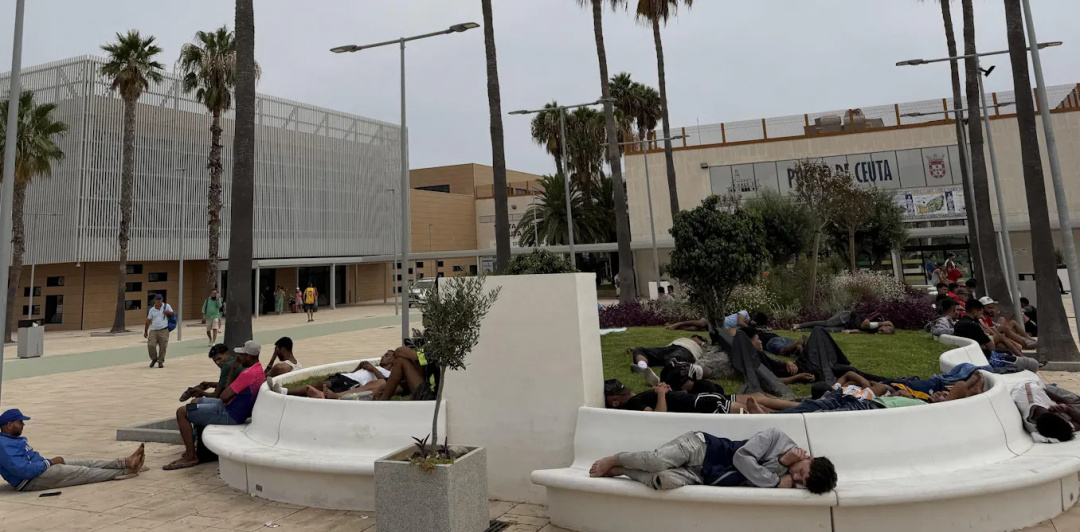
In August 2026, a significant humanitarian crisis unfolded in Ceuta, a small Spanish enclave on Morocco's northern coast, as approximately 72,000 people crossed into Spanish territory within two days. Tragically, over 100 individuals drowned during this perilous journey. While most migrants returned to Morocco, around 5,000 remain in Ceuta, many of whom are unaccompanied minors facing uncertain legal and political circumstances.
The crisis has been seized upon by right-wing politicians across Europe, who have used it to stoke fears of uncontrolled migration. The far-right Vox party in Spain has been particularly vocal, warning of "illegal, uncontrolled, and rampant migration." Similarly, Italian President Giorgia Meloni has publicly stated that Italy will not yield on illegal immigration, even suspending Schengen travel agreements with Spain.
This anti-migrant rhetoric has been echoed in the European Parliament, where the EU's Return Regulation was passed in June, allowing for the detention of migrants in offshore centers for extended periods before deportation. This legislation was met with applause from far-right members, who chanted calls to "send them back."
However, the implications of such harsh migratory policies extend beyond the immediate effects on migrants and their families. Research indicates that these policies can adversely affect national economies, productivity, and public health. The crisis in Ceuta, while notable for its scale, reflects a broader trend where migrants are increasingly politicized, despite their crucial contributions to the economies and infrastructures of their host countries.
The FOODCIRCUITS research project aims to illuminate the often-invisible role of migrant workers in food supply chains, particularly in Spain's citrus industry. This project highlights how migrant labor is essential to the production, transportation, and consumption of citrus products, which are vital to both the Spanish economy and the broader European food supply. In Spain, migrants constitute about 30% of agricultural workers, a figure likely underreported due to the presence of undocumented workers.
Spain is a key player in European agriculture, producing one in four fresh fruits consumed in the region, a feat made possible by the often-unrecognized labor of migrant farmworkers. Earlier this year, Spain initiated a special regularization scheme that allowed nearly 1.2 million undocumented individuals to apply for legal status, aiming to improve labor conditions and access to essential services. This high demand for legal pathways underscores the extent to which migrant labor is taken for granted and hidden from public view.
Despite the benefits of this regularization scheme, it has faced backlash from populist right-wing groups, who have labeled the influx of applications as a "migratory invasion." Other EU countries have even blamed this initiative for the Ceuta crisis, viewing it as a pull factor for migrants.
As the situation in Ceuta and the broader European context illustrate, migrants are often scapegoated and wrongly blamed for societal issues, serving as a tool for political gain. Given their essential contributions to society, it is crucial to critically examine how migrants are represented in the media and public discourse, especially during crises such as the one in Ceuta.