Study Highlights Pharmacokinetic Challenges of Oxfendazole in Treating Liver Flukes
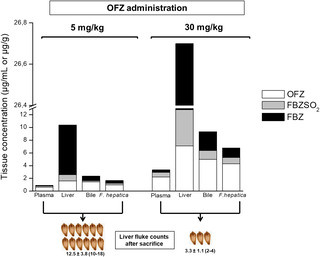
A recent study published in PLOS One has examined the pharmacokinetic properties of oxfendazole (OFZ), a drug commonly used to control nematode parasites in domestic animals and increasingly in human medicine. The research specifically focused on the drug's effectiveness against liver flukes, particularly Fasciola hepatica, in sheep. The findings indicate that administering OFZ at higher doses significantly enhances its efficacy against these parasites. In the study, sheep were treated with OFZ at two different doses: the standard nematodicidal dose of 5 mg/kg and a higher experimental dose of 30 mg/kg. The results showed a marked increase in plasma drug exposure and accumulation in the target parasites at the higher dose, suggesting that the conventional dosing may not be sufficient for optimal treatment outcomes. The systemic exposure of OFZ increased from 17.9 µg.h/mL at the therapeutic dose to 85.4 µg.h/mL with the higher dose. This increase was reflected in the accumulation of the drug within the liver flukes, which was found to be 332% higher in the group receiving the higher dose. These findings underscore the importance of dosage in the treatment of liver fluke infections and highlight the potential for drug re-evaluation strategies to improve treatment efficacy. The study also touches upon the broader implications of drug resistance in parasitic infections, emphasizing the need for a One Health approach that considers the interconnectedness of human, animal, and environmental health. As the reliance on anthelmintic drugs continues to grow, understanding the pharmacokinetics of these treatments becomes crucial in combating resistance and ensuring effective control of parasitic diseases.














