Polyamines Serve as Protectors Against Iron Overload in Cells
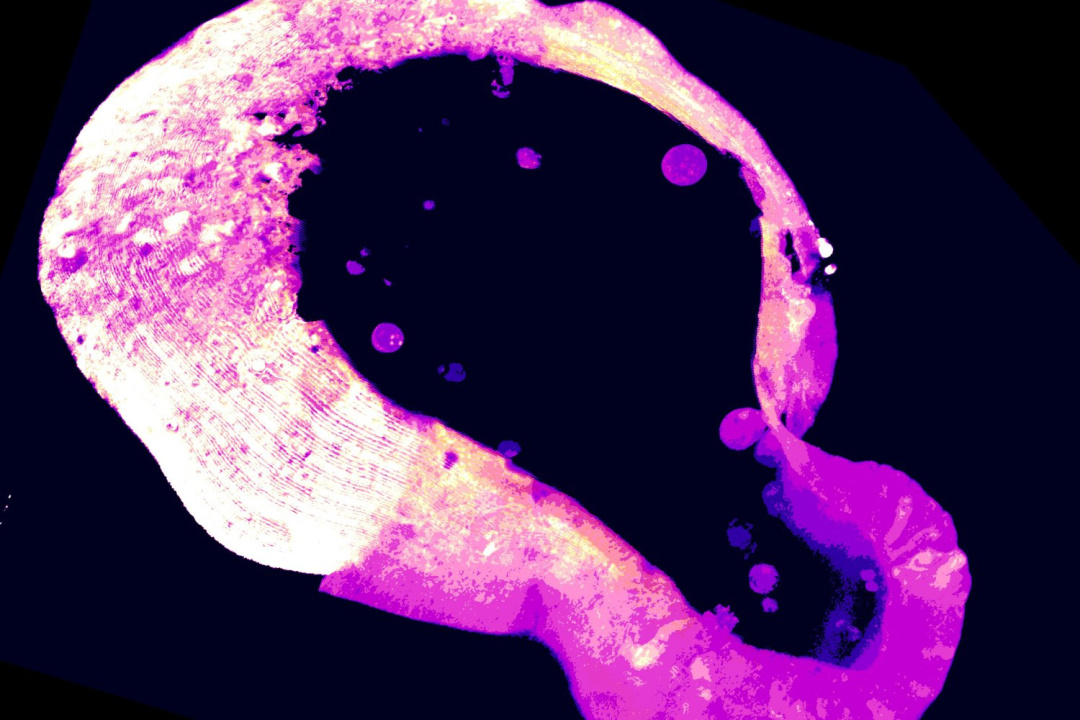
Iron is essential for cellular functions, including energy production and oxygen transport. However, excess iron can lead to harmful reactions that damage DNA, proteins, and cell membranes. Researchers at MIT, including Ankur Jain and Whitney Henry, have identified that cells utilize polyamines—small organic compounds—as a protective mechanism against iron overload. Their findings, published in the journal Cell, reveal that polyamines act as storage for iron, keeping it in a non-reactive state until needed.
This research addresses a long-standing question regarding the high concentrations of polyamines in cells and uncovers a novel defense mechanism against toxic iron levels. The implications of this discovery extend beyond basic biology; they could inform new cancer therapies by exploiting the relationship between polyamines and iron. Cancer cells often depend on elevated polyamine levels for rapid growth, and the study suggests that reducing polyamines could trigger cancer cell death through iron toxicity.
The researchers employed a large-scale genetic approach to investigate the effects of altered polyamine levels on cellular processes. They found that when polyamine levels decreased, a protein known as GPX4 became critical for cell survival, as it helps prevent damaging reactions involving fatty molecules in cell membranes. Additionally, cells with reduced polyamines exhibited increased levels of another protein that sequesters iron in a mineralized form, supporting the hypothesis that polyamines help maintain iron in a safe state.
To further investigate this relationship, the team developed a fluorescent sensor to measure reactive iron in living cells. This innovative tool allowed them to observe that as polyamine levels dropped, reactive iron levels rose, confirming the protective role of polyamines against iron toxicity.
The study's findings could also shed light on neurological conditions, such as early-onset Parkinson's disease, where mutations affecting polyamine transport are linked to iron accumulation in the brain. While the direct effects of excess iron on neuron health remain uncertain, the role of polyamines in managing iron levels presents a potential area for further research.
The researchers are optimistic about the future applications of their work, which could lead to advancements in understanding disease mechanisms and developing improved therapies. This research was supported by grants from the National Institutes of Health, Bumpus Foundation, and Pew Charitable Trusts, and reflects the collaborative efforts of the scientific community to unravel complex biological challenges.