Low Uptake of Gestational Diabetes Screening in Addis Ababa Hospitals Revealed
Gestational diabetes mellitus (GDM) poses significant risks for both mothers and infants, contributing to adverse perinatal outcomes. Despite recommendations for universal screening, a study conducted in three public hospitals in Addis Ababa, Ethiopia, revealed concerning adherence levels to these guidelines. The research aimed to evaluate the uptake of GDM screening and adherence to recommended testing protocols among pregnant women receiving antenatal care.
The study included a retrospective audit of 1,050 antenatal records from women who were either at least 28 weeks pregnant or had recently delivered. The results showed that only 139 out of the 1,050 women, or 13.2%, had undergone GDM screening. The median gestational age at which screening occurred was 34 weeks, with only 8.6% of women screened during the recommended window of 24 to 28 weeks. The predominant method used for screening was the oral glucose tolerance test (OGTT), which was utilized in 87.8% of cases. Notably, screening was primarily risk-based, with 99.3% of tests prompted by clinical indications such as advanced maternal age or previous history of macrosomic birth.
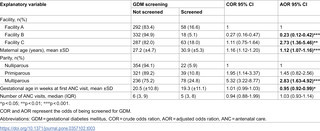
Among those screened, 41% were diagnosed with GDM. Factors influencing the likelihood of being screened included the specific hospital site, maternal age, parity, and the timing of the first antenatal care visit. The findings underscore a critical need for improved screening practices in Ethiopia, as many women remain undiagnosed and at risk for complications associated with GDM.
The study highlights the importance of addressing both patient-level factors and health system barriers to enhance the implementation of universal GDM screening. By improving adherence to guidelines, it may be possible to reduce the incidence of adverse outcomes associated with gestational diabetes, ultimately benefiting maternal and child health in Ethiopia.