Rising Incidence of Early-Onset Pancreatic Cancer Linked to Metabolic Risks in Women
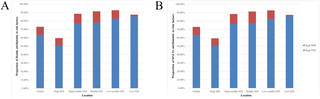
Early-onset pancreatic cancer (EOPC), defined as pancreatic cancer diagnosed before the age of 50, is becoming increasingly prevalent worldwide. A recent study has focused on women of childbearing age (WCBA), who are particularly affected by this trend due to unique metabolic vulnerabilities. The research aims to explore the intersection of EOPC trends with metabolic risks specific to this demographic, providing a foundation for targeted health interventions.
Utilizing data from the Global Burden of Disease 2023 study, the researchers analyzed mortality and disability-adjusted life years (DALYs) associated with EOPC among WCBA from 1990 to 2023. The findings revealed that the absolute number of EOPC deaths and DALYs in this group more than doubled over the analyzed period. While age-standardized rates remained stable globally, they increased significantly in low and middle Sociodemographic Index (SDI) regions. Among the identified risk factors, high fasting blood glucose (FBG) emerged as the most significant, accounting for approximately 64% of the population-attributable risk, with an inverse relationship to SDI. Conversely, the association of high body mass index (BMI) with EOPC risk showed a more complex, inverted U-shaped distribution.
The study also included a retrospective case-control analysis, which confirmed that high FBG is independently associated with EOPC, with an adjusted odds ratio of 4.64. However, the significance of high BMI diminished after adjustment, suggesting that the metabolic pathways influencing EOPC risk may overlap. The increase in EOPC cases among WCBA is driven primarily by demographic factors such as population growth and aging, underscoring the need for targeted metabolic health interventions.
The implications of these findings are significant, particularly in the context of the United Nations Sustainable Development Goals, which emphasize the importance of maternal health and the prevention of non-communicable diseases. Women of childbearing age are particularly susceptible to metabolic disturbances due to physiological changes during their reproductive years, which can elevate their risk for EOPC. Conditions like gestational diabetes and polycystic ovary syndrome contribute to higher rates of hyperglycemia and insulin resistance in this population.
Given the global rise in diabetes and obesity, the study advocates for urgent implementation of targeted glycemic control and metabolic health management strategies for WCBA. This approach is crucial not only for improving maternal health outcomes but also for reducing the risk of EOPC in this vulnerable group. The research highlights the necessity for systematic evaluations of EOPC burden framed around the metabolic vulnerabilities of WCBA, particularly in resource-limited settings, to inform effective public health strategies and interventions.