Study Reveals Immune Response of Pacific White Shrimp to Alexandrium pacificum Toxicity
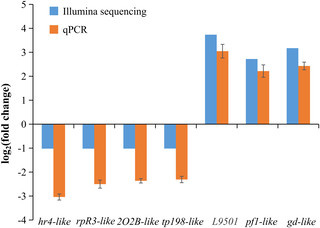
A recent study published in PLoS One has shed light on the immune response of Pacific white shrimp, or Litopenaeus vannamei, when exposed to the toxic dinoflagellate Alexandrium pacificum. This organism is known for its role in red tide events, which can lead to severe ecological and economic consequences, particularly in aquaculture. The research aimed to explore the molecular mechanisms underlying the shrimp's response to the toxins produced by A. pacificum, which can impair feeding and lead to oxidative stress and immune disruption.
In the study, healthy L. vannamei shrimp were subjected to an immersion exposure to A. pacificum lysate. After 72 hours, researchers collected samples of the hepatopancreas for transcriptome sequencing. The analysis revealed 264 differentially expressed genes (DEGs) in the exposed shrimp compared to the control group, with 185 genes upregulated and 79 downregulated. Notably, pathways related to immune system processes, lysosomal-mediated cellular processes, and metabolic functions were significantly enriched.
The findings underscore the shrimp's complex immune response to the toxins, which include paralytic shellfish toxins (PSTs) that can block sodium channels in nerve cells, leading to neuromuscular paralysis. The study identified key pathways involved in the shrimp's detoxification processes, including lysosome and C-type lectin receptor signaling pathways, as well as drug metabolism pathways.
This research not only enhances our understanding of the molecular defense mechanisms in L. vannamei against A. pacificum toxicity but also highlights the broader implications for marine ecosystems and human health, given the potential for toxin accumulation in seafood. The study provides a foundation for future investigations into the impacts of harmful algal blooms on aquaculture and food safety, particularly as red tide events become more frequent due to changing environmental conditions.














