ADAPT Study Protocol: Investigating Physiological Changes During Behavioral Weight Loss
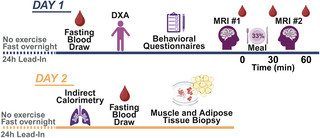
The ADAPT (Assessing Diet, Appetite, and Physiology Throughout weight loss) study is designed to investigate the physiological and behavioral factors that contribute to weight loss plateaus in individuals with obesity. Previous research has highlighted that weight loss often plateaus at approximately 7-10% of total body weight, and this cessation can be involuntary, driven by metabolic, appetitive, and neurological adaptations. These adaptations include increased appetite, decreased satiety, and changes in energy expenditure that can counteract efforts to continue losing weight.
Unlike previous studies that relied on experimentally determined weight loss plateaus, the ADAPT study will monitor participants in their natural environments, allowing for a more accurate assessment of spontaneous weight loss plateaus. Participants will be enrolled in a behavioral weight loss program that emphasizes a reduced-calorie diet and increased physical activity. Their daily weight will be monitored remotely, and the study will utilize innovative analytic approaches to identify different phases of weight loss in real-time.
The study will involve deep phenotyping, which includes comprehensive assessments of participants' anthropometric measurements, metabolic responses, neurophysiological changes, and behavioral patterns. This will be achieved through various methods, including wearable devices for physical activity monitoring, biological sampling, and neuroimaging techniques. By examining these factors, the ADAPT study aims to generate a rich dataset that could provide insights into the biological mechanisms that limit the effectiveness of behavioral weight loss interventions.
The overarching hypothesis is that involuntary weight loss plateaus are characterized by specific changes in bioenergetics and neurophysiology that hinder further weight loss and favor weight regain. The study will also explore predictors of entering a weight loss plateau, which could inform future interventions aimed at sustaining weight loss. Through its adaptive design, the ADAPT study distinguishes itself from previous research by focusing on real-time monitoring and individualized assessments aligned with each participant's unique weight-loss trajectory.
The ADAPT study is approved by the University of Washington’s Institutional Review Board and aims to provide valuable insights into the complexities of weight loss and maintenance, ultimately contributing to improved health outcomes for individuals with obesity.