Study Finds Elevated CTRP-1 Levels in Women with Polycystic Ovary Syndrome
A recent study published in PLOS One has investigated the levels of circulating C1q/TNF-related protein-1 (CTRP-1) in women diagnosed with polycystic ovary syndrome (PCOS). This prospective cross-sectional case-control study included 96 women aged 15 to 40 years, with 48 diagnosed with PCOS according to the 2003 Rotterdam criteria and 48 healthy controls. The research aimed to evaluate the potential association of CTRP-1 levels with metabolic and reproductive features of the syndrome.
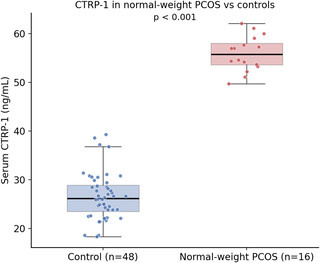
The findings indicated that serum CTRP-1 levels were significantly higher in women with PCOS, measuring 54.9 ± 5.2 ng/mL compared to 26.6 ± 4.8 ng/mL in the control group (p < 0.001). Additionally, CTRP-1 concentrations were found to correlate with several metabolic and hormonal parameters, including body mass index (BMI), fasting insulin levels, triglyceride levels, HDL cholesterol, and anti-Müllerian hormone (AMH). The study utilized receiver operating characteristic (ROC) analysis, demonstrating excellent discriminatory ability for identifying PCOS within the cohort, although the authors caution that the relatively small sample size and case-control design limit the generalizability of the findings.
In multivariable analysis adjusted for age and BMI, CTRP-1 remained significantly associated with PCOS (β = 28.97, p < 0.001). This suggests that CTRP-1 could serve as a potential biomarker related to metabolic dysregulation in women with PCOS. However, the authors emphasize the need for larger, multicenter studies to validate these findings and explore the clinical utility of CTRP-1 in diagnosing and managing PCOS.
PCOS is a prevalent endocrine disorder affecting approximately 6-10% of women of reproductive age, characterized by symptoms such as oligo-anovulation, hyperandrogenism, and polycystic ovarian morphology. The condition is often associated with metabolic complications, including insulin resistance, obesity, and increased risk for type 2 diabetes and cardiovascular diseases. The study highlights the importance of understanding the role of adipokines like CTRP-1 in the pathophysiology of PCOS, particularly given their involvement in metabolic signaling pathways and potential implications for treatment strategies.
The research received ethical approval and was conducted in accordance with the Declaration of Helsinki. Written informed consent was obtained from all participants, and detailed medical histories, anthropometric measurements, and blood samples were collected to ensure comprehensive data analysis. The study's findings contribute to the growing body of literature examining the metabolic aspects of PCOS and the potential for biomarkers to enhance diagnosis and treatment.