Nutrient-Dense Morning Snacks for Those Who Skip Breakfast
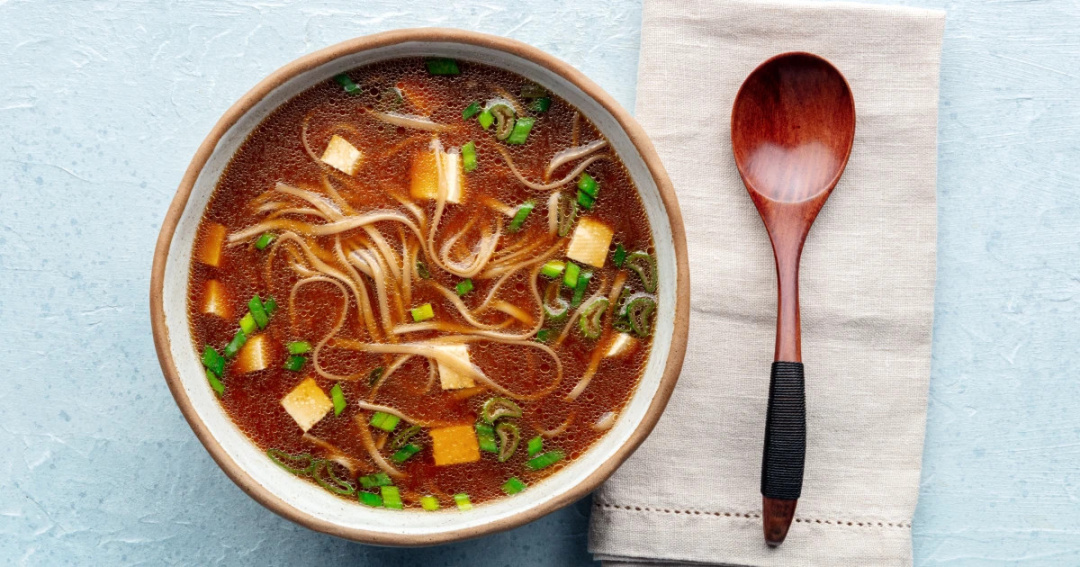
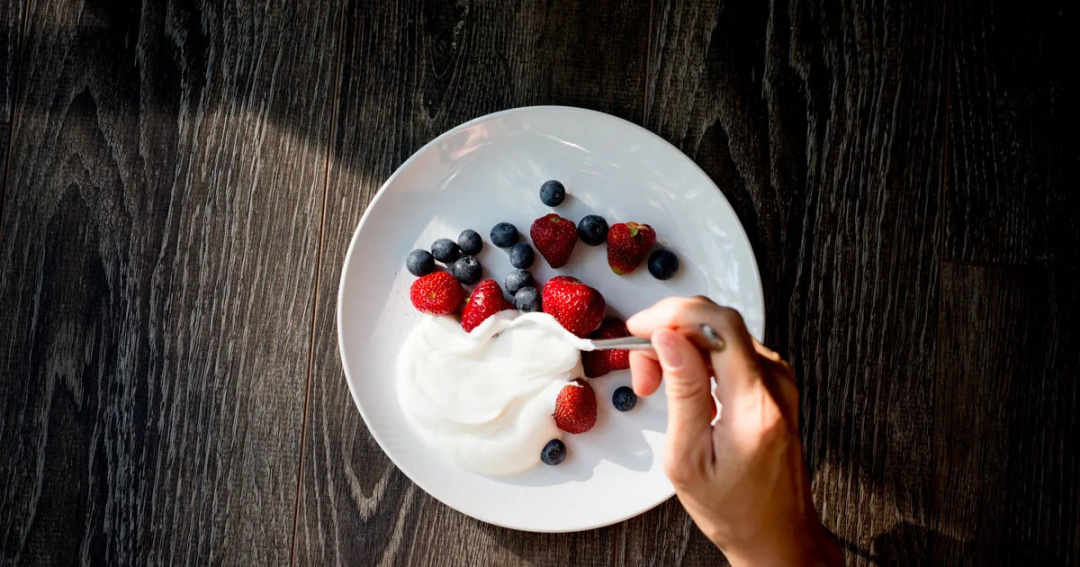
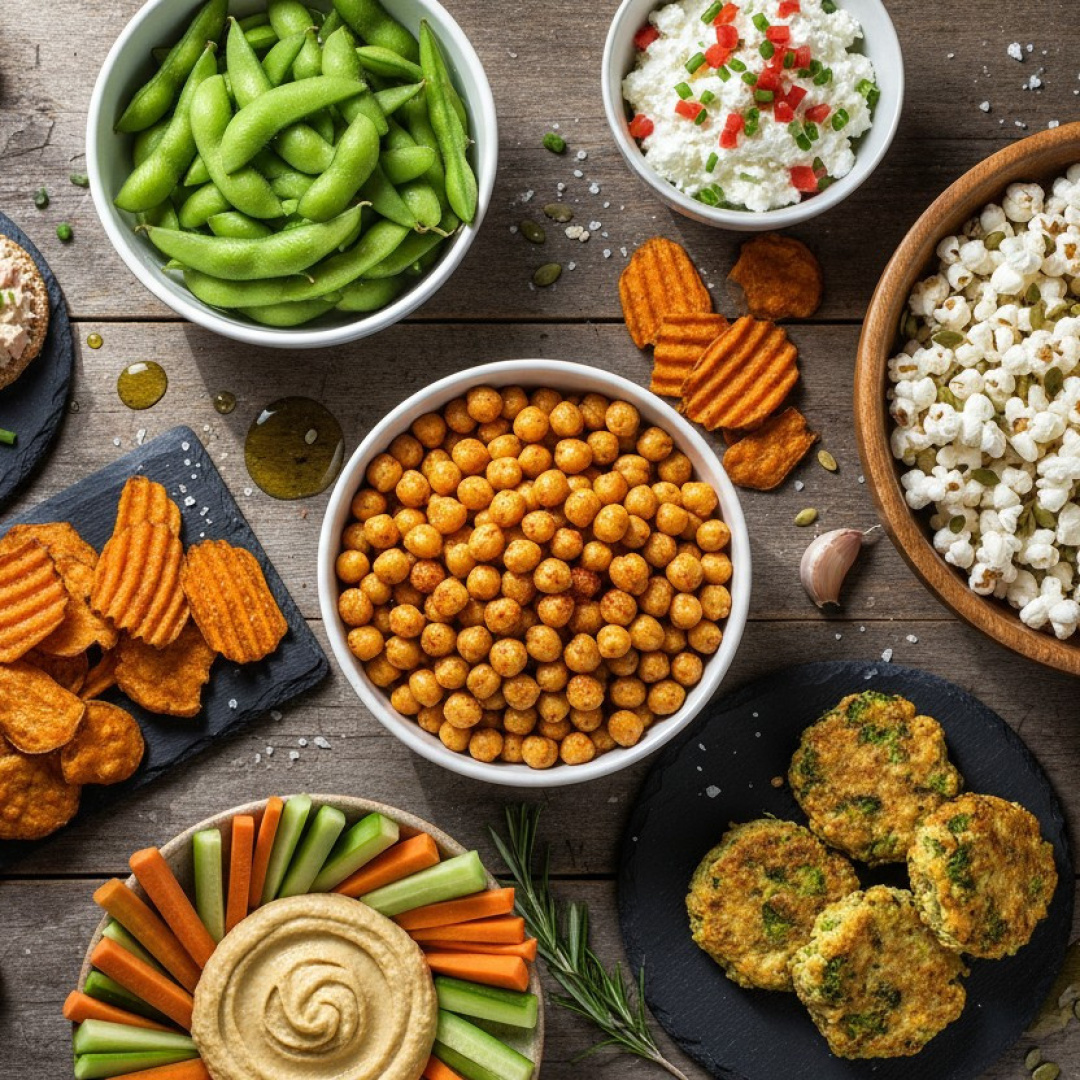
Breakfast is often touted as the most important meal of the day, yet many individuals find it challenging to eat first thing in the morning. Whether due to a dislike for traditional breakfast foods or simply a lack of appetite, some people regularly skip breakfast. Research indicates that up to 16% of Americans forgo this meal altogether. While there is no strict medical requirement to eat breakfast, doing so can offer several benefits. Dietitian Frances Largeman-Roth notes that starting the day without food can lead to feelings of nausea, lightheadedness, and brain fog. Furthermore, skipping breakfast may increase hunger later in the day and shift calorie intake to later meals. Chrononutrition, the study of meal timing, suggests that eating earlier in the day can positively impact energy levels and metabolism. Regularly consuming meals in the morning is associated with better health outcomes, while late-night eating can lead to weight gain and disrupted sleep patterns. Dietitian Natalie Rizzo emphasizes that breakfast serves to refuel the body and brain after a night of fasting, providing energy and preventing excessive hunger later on. Even a small amount of food can contribute essential nutrients that might otherwise be missed. For those who do not enjoy traditional breakfast foods, experts recommend starting with small, manageable snacks that can help establish a morning eating habit. Rizzo advises prioritizing protein and fiber, as these nutrients can enhance satiety. Here are some nutritious options for those who prefer lighter morning fare: Cheese sticks are a convenient source of protein and calcium, with one stick of part-skim mozzarella offering about 7 grams of protein and 200 milligrams of calcium. For a savory option, a cup of soup can be hydrating and easy to digest, providing protein and fiber without the heaviness of a full meal. Kefir, a fermented yogurt drink, is another excellent choice, delivering 9 to 11 grams of protein per cup along with probiotics for gut health. Nuts are also a great on-the-go option, offering healthy fats and antioxidants. For those who prefer leftovers, a small portion of last night’s dinner can serve as a nutritious breakfast. Bananas are a quick source of carbohydrates and potassium, while deli meats can be rolled with vegetables for a protein-rich bite. Whole grains, such as brown rice, can provide slow-digesting carbohydrates, and nut butter can deliver protein and healthy fats. Berries are a fiber-rich option, and hummus can be paired with whole grain crackers for a satisfying snack. Dried fruits and beans also offer energy and nutrients, making them suitable choices for those who skip traditional breakfast foods. By focusing on what they enjoy and starting small, individuals can create a morning routine that works for them without the pressure of eating a full breakfast.