First Human Mitochondrial Transplantation Procedure Shows Promise for Vision Loss
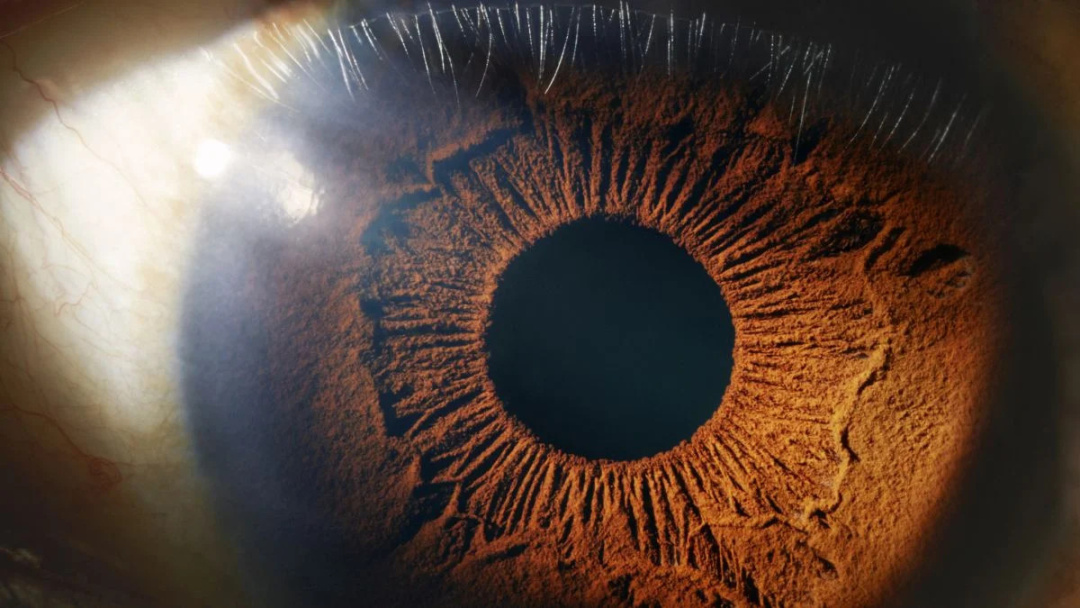
In a groundbreaking medical case, researchers have successfully injected mitochondria from a woman's leg into her eyes, marking a significant step in exploring mitochondrial transplantation as a treatment for severe vision loss. This innovative procedure was performed on a 26-year-old woman who experienced profound visual impairment following a severe brain bleed. Doctors extracted mitochondria from a biopsy of her thigh muscle and injected them into the vitreous fluid of both eyes. Mitochondria are essential cellular structures that generate energy, and the hope was that introducing healthy mitochondria could restore energy production in damaged retinal cells.
Prior to the treatment, the woman's optic nerves had suffered significant atrophy, and her vision had not improved despite conventional medical interventions. However, imaging studies indicated that some retinal cells remained viable, suggesting that they might benefit from mitochondrial support. Following the injections, the patient's pupils began to show normal responses to light for the first time in 71 days, indicating some level of restored function in her visual system. While her overall visual acuity did not improve, the changes in pupillary response and brain activity suggested that the transplanted mitochondria might have had a positive effect on the remaining retinal cells.
This case, led by neuroscientist David Putrino from the Icahn School of Medicine at Mount Sinai, is documented in a preprint case report. The researchers emphasized that this was a single case without control subjects, and thus, while the results are promising, they do not establish causation. The safety of the procedure was a significant finding, as no serious adverse effects were reported, and the patient's immune system did not react negatively to the transplant.
Looking ahead, the researchers are collaborating with the FDA to develop protocols for potential repeated mitochondrial injections, which could be necessary to sustain any benefits observed. This case opens the door for further investigations into how mitochondrial transplantation could be a viable option for rescuing damaged cells in the eye and potentially improving outcomes for patients with severe vision loss.