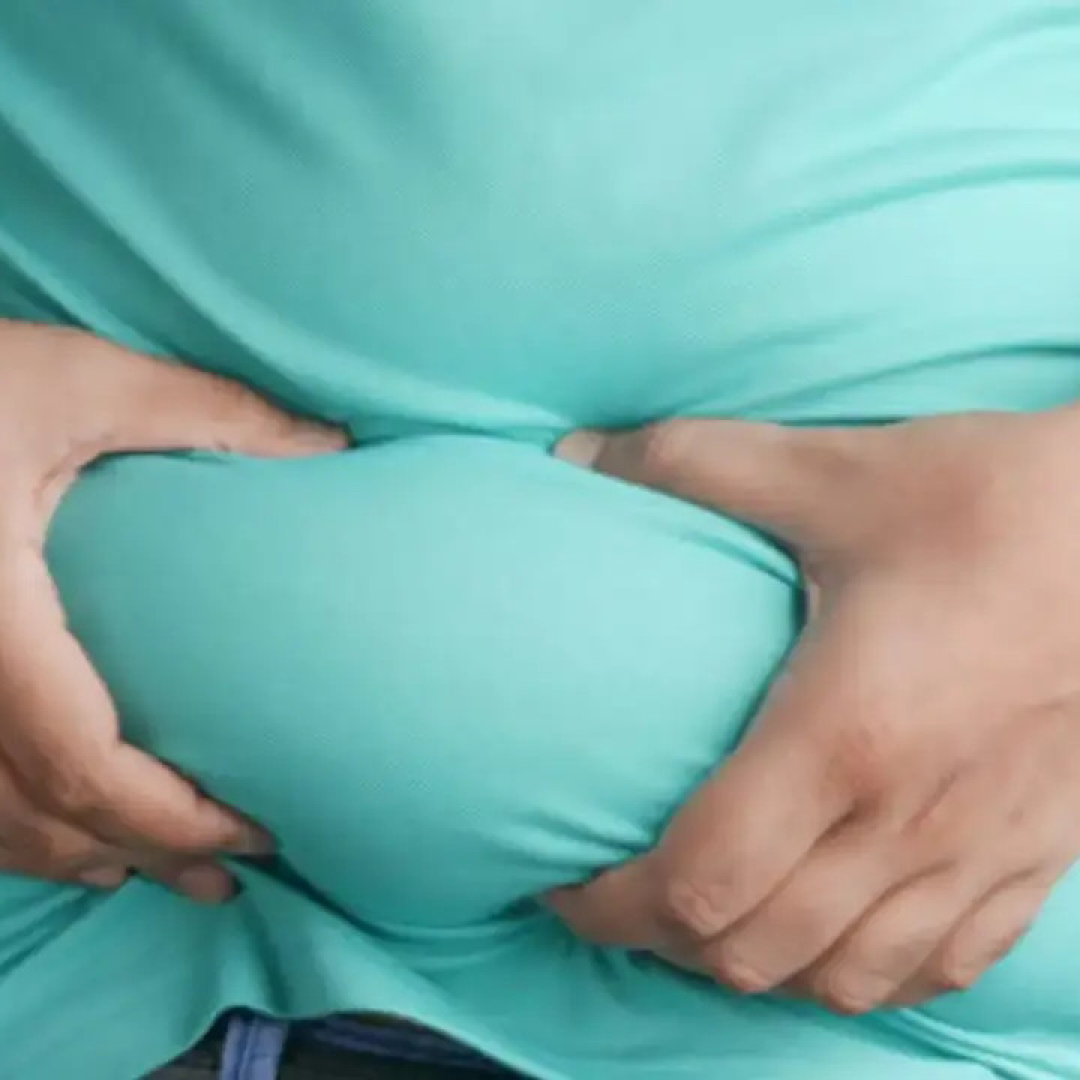
Donald Trump's Weight Gain Raises Health Concerns Amid Fast Food Diet
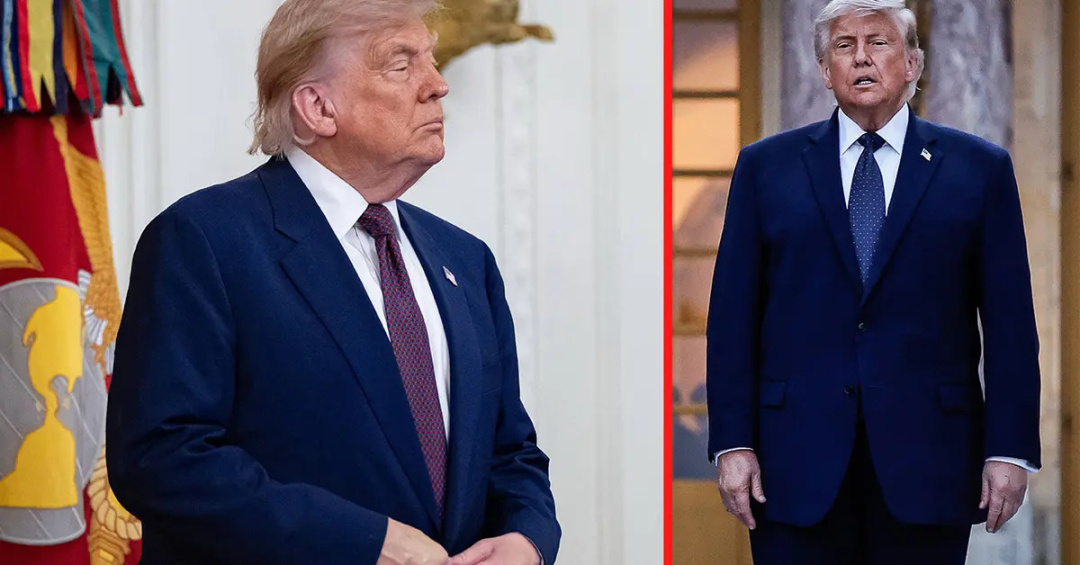
Donald Trump's weight gain has sparked considerable health concerns, as recent reports indicate that he now weighs 238 pounds, which is 23 pounds heavier than his recorded weight during a 2023 examination. This increase has raised alarms among health professionals regarding the potential risks associated with obesity. According to a White House physical conducted in May, Trump's weight gain is notable, as he has appeared heavier in photographs compared to his campaign days. Journalist Dan Diamond of The Washington Post noted that Trump gained 14 pounds between his recent annual medical check-ups. Physicians at the White House have reportedly advised the president, who is known for his fondness for fast food and aversion to rigorous exercise, to prioritize weight loss, improve his diet, and engage in regular physical activity. Outside health experts have echoed these concerns, emphasizing that reducing his waistline should be a priority for safeguarding his health. Scott Kahan, director of the National Center for Weight and Wellness, stated that addressing obesity is crucial for the president's health, likening its importance to ensuring his security. Kahan pointed out that obesity is a significant risk factor for various health issues, including premature disability and death. Critics have responded to the situation, alleging that the administration is concealing the true extent of Trump's weight gain. Some have claimed that the president's reported weight is inaccurate, suggesting that his doctor's scale may be off by as much as 75 pounds. Social media users have also expressed skepticism, with one claiming that Trump has never weighed 215 pounds during his terms, while others have speculated about the administration withholding information regarding his health. Earlier this year, there were claims that Trump had access to an experimental obesity drug through the FDA's compassionate-use program, which is typically reserved for patients with serious conditions. However, the White House denied these allegations. Trump has shown awareness of his appearance, previously rejecting a bulletproof vest for fear of appearing overweight. In a light-hearted moment, he remarked that he didn't want to look 20 pounds heavier, drawing laughter from those present. Despite these concerns, it appears that Trump is unlikely to change his dietary preferences anytime soon. Robert F. Kennedy Jr., the president's Health Secretary, revealed that Trump primarily consumes fast food while traveling, citing a fear of food poisoning as a reason for his choices. Kennedy noted that when Trump is at Mar-a-Lago or the White House, he enjoys fresh, locally sourced food, but on the road, he sticks to national chains. This ongoing situation highlights the intersection of health, diet, and public perception surrounding the president's weight and lifestyle choices.