Investigating the Role of Bitter Foods in Curbing Sugar Cravings
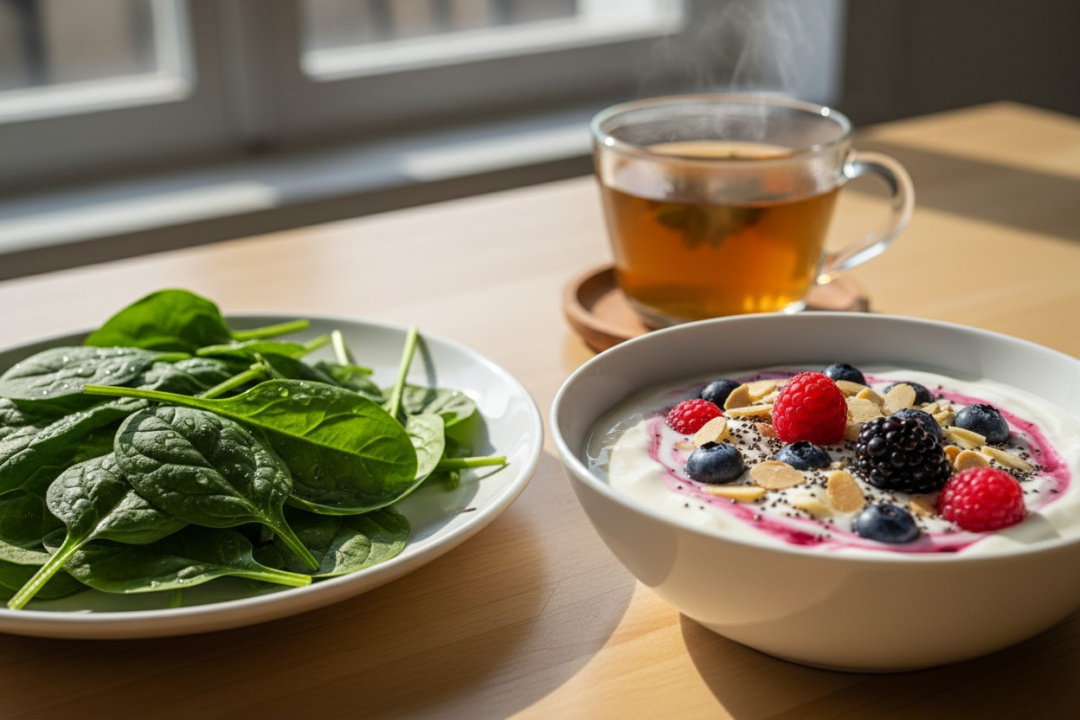
A social media trend has emerged encouraging individuals to start their day with a handful of raw spinach, raising questions about whether bitter foods can help reduce sugar cravings. According to registered dietitian nutritionist Molly Knudsen, while proponents of this trend argue that modern diets lack bitter compounds, there is currently insufficient evidence to support the claim that consuming a bitter first bite can directly lower sugar cravings. This article explores the science behind taste preferences, the potential health benefits of bitter foods, and practical strategies for creating satisfying breakfasts.
Research indicates that taste preferences are not fixed. For instance, individuals who gradually reduce their salt intake may develop a preference for less salty foods over time. Similarly, evidence suggests that cutting back on sugar can enhance sensitivity to sweetness. In a small study conducted over five months, adults who significantly reduced their simple sugar intake began to perceive both low- and high-sugar foods as sweeter after approximately two to three months.
Bitter compounds found in various foods are linked to several health benefits. Kavita Devgan, in her book "Ultimate Grandmother Hacks," notes that individuals who consume more bitter foods may have a reduced risk of metabolic syndrome, which encompasses conditions such as diabetes, heart disease, and stroke. These bitter compounds, including carotenoids in spinach and flavonoids in kale, are thought to offer protective effects.
Cultural practices also highlight the significance of incorporating bitter vegetables into diets. For instance, Mike Adams pointed out in a November 2023 interview that Chinese culture tends to favor bitter vegetables over sugary treats, with Taiwanese cuisine often including nutritious options like bok choy and vegetable soups for children. This suggests that dietary habits can shape taste preferences over time.
Despite the popularity of the bitter breakfast trend, the direct influence of bitter foods on sugar cravings remains uncertain. Knudsen acknowledges that while some research indicates that bitter compounds might affect appetite-related hormones and food intake, the findings are inconsistent and largely preliminary. She emphasizes the distinction between altering flavor perception and modifying appetite.
The food industry has contributed to the decline of bitterness in processed foods. A 2018 report by ANH International highlighted that major food companies have reformulated products to replace sugars with artificial sweeteners while maintaining palatability, potentially diminishing the presence of naturally bitter phytochemicals in the food supply.
Experts have identified several factors that contribute to sweet cravings, including an innate preference for sweet flavors. Nutritionist Fiona Hunter explains that evolution has led humans to favor sugary foods, which were historically deemed safe and nutritious. Additionally, Magdalena Wszelaki, in her book "Cooking for Hormone Balance," notes the connection between blood sugar fluctuations and cravings, suggesting that dietary adjustments aimed at stabilizing blood sugar can alleviate symptoms.
Rather than solely focusing on the bitterness of the first bite, Knudsen advocates for a breakfast that includes sufficient protein, fiber, and enjoyment. She recommends aiming for at least 30 grams of protein at breakfast to promote satiety and meet daily protein requirements. Incorporating fiber-rich foods such as fruits, vegetables, nuts, seeds, and whole grains can also enhance meal satisfaction, with a target of at least 10 grams of fiber being a good starting point.
Enjoyment is a crucial aspect of breakfast, according to Knudsen. She argues that individuals should not feel compelled to force a savory breakfast if they prefer sweet options. For example, a bowl of Greek yogurt topped with berries, chia seeds, and nuts can still provide the necessary protein and fiber. Wszelaki also recommends alternatives like matcha green tea or caffeine-free herbal teas, suggesting that roasted chicory or dandelion root tea can offer a bitter flavor without caffeine.
Incorporating greens into breakfast does not have to involve consuming raw spinach. Knudsen suggests adding spinach to smoothies, sautéing it with eggs, or including it in various breakfast dishes. Ultimately, consistency in dietary habits appears to be more significant than the flavor of the first bite when it comes to managing cravings.
In conclusion, while the consumption of bitter foods like spinach may offer health benefits, there is no conclusive evidence that they effectively curb sugar cravings. The food industry's reduction of bitter flavors in processed products is well-documented, but reintroducing them at breakfast does not guarantee a solution. Instead, focusing on the overall composition of breakfast—ensuring adequate protein, fiber, and enjoyment—seems to be a more effective strategy for promoting satiety and managing cravings throughout the day. As Knudsen notes, bitter greens can be a valuable addition to the diet, but they should not be viewed as a secret hack for appetite control.