TCM Practitioner Links Digestive Health to Skin Condition Improvement
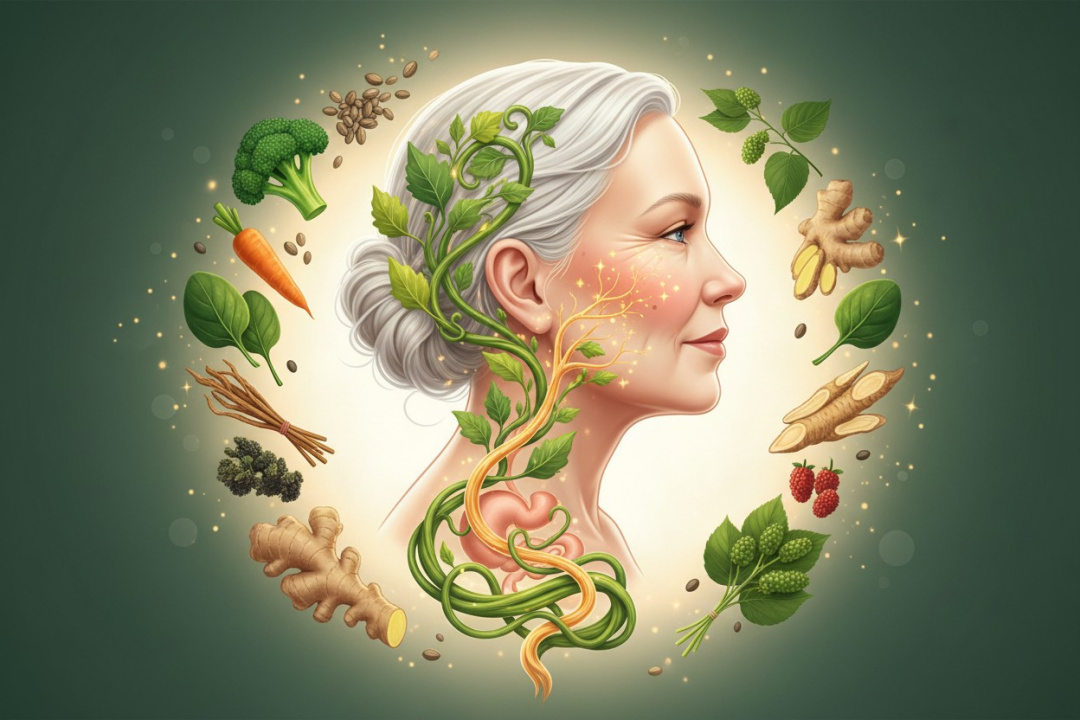
In a recent interview with The Epoch Times, Connie Chen, the director of Jingher Chinese Medicine Clinic, shared a personal account of how her father's largest facial age spot faded after she treated his sluggish digestion. Chen noted that despite her father maintaining a balanced diet and sleeping well, his digestive efficiency had declined. She explained that by clearing waste from the intestines, visible blemishes on the skin can significantly decrease. This perspective aligns with the principles of Traditional Chinese Medicine (TCM), which posits that skin conditions often reflect internal health issues.
The article highlights that while Chen's observations resonate with TCM beliefs, modern research is also investigating the gut-skin axis—a concept suggesting that gut health can impact skin conditions. However, it is important to note that the findings do not imply that constipation directly causes age spots, which are primarily associated with aging and cumulative sun exposure.
According to TCM, the lung is said to 'govern the skin,' and there is a recognized relationship between the lung and the large intestine. Chen and other TCM practitioners assert that the state of the skin can mirror the internal condition of the body. Issues such as poor elimination or patterns of intestinal dryness, heat, or dampness may manifest as changes in skin appearance.
Treatment in TCM focuses on restoring overall balance rather than merely addressing superficial symptoms. This may involve strategies like clearing heat, resolving dampness, strengthening the spleen, nourishing blood, or moistening the intestines. TCM has a rich history, dating back at least 3,000 years, and practitioners often utilize a wide range of herbs—between 200 and 600 in typical practice.
Modern medicine, while using different terminology, is exploring similar themes. A review published in 2025 examined the gut-skin axis and noted that short-chain fatty acids produced by gut bacteria could influence inflammation, oxidative stress, and skin barrier function. Additionally, Dr. Sandra Cabot's book identifies skin rashes and itchy skin as potential external indicators of bowel dysfunction.
Chen frequently encounters older patients exhibiting what TCM describes as 'intestinal dryness.' For these patients, she recommends a traditional formula known as Ma Zi Ren Wan, or Hemp Seed Pill. In a randomized controlled trial involving 291 participants with functional constipation, 68% of those taking this formula achieved a complete response after eight weeks, compared to just 33% in the placebo group. A systematic review of 17 trials involving 1,681 patients found that higher-quality studies indicated the formula's effectiveness in increasing spontaneous bowel movements.
Hemp seeds, known for their high fiber content and nutritional benefits, are also highlighted in the article. Chen described a morning 'green latte' made from blanched vegetables and ginger, emphasizing the role of pectin in promoting fullness and aiding digestion.
For addressing dark spots, she suggested a tea made from ginseng rootlets, licorice root, and mulberry leaves, noting that licorice extract has antioxidant properties and can inhibit melanin synthesis. Chen also employs acupuncture techniques, such as scattered needling, to aid in pigmentation issues, asserting that combining these internal treatments with acupuncture can lead to noticeable improvements within one to two weeks.
While TCM and modern research may use different frameworks to understand health, both approaches raise important questions about the interconnectedness of bodily systems. Chen's experiences underscore a principle that is increasingly relevant in contemporary research: effective skin care may require attention to factors beyond the skin's surface. However, it is crucial to clarify that improving bowel movements alone is not a guaranteed solution for age-related pigmentation. For healthy aging, maintaining regular bowel habits, consuming a fiber-rich diet, staying hydrated, and protecting the skin from UV exposure are essential practices. Any new or changing skin spots should be evaluated by a dermatologist to rule out serious conditions such as skin cancer.