Barberries and Berberine: Exploring Their Potential to Lower Blood Sugar and Cholesterol
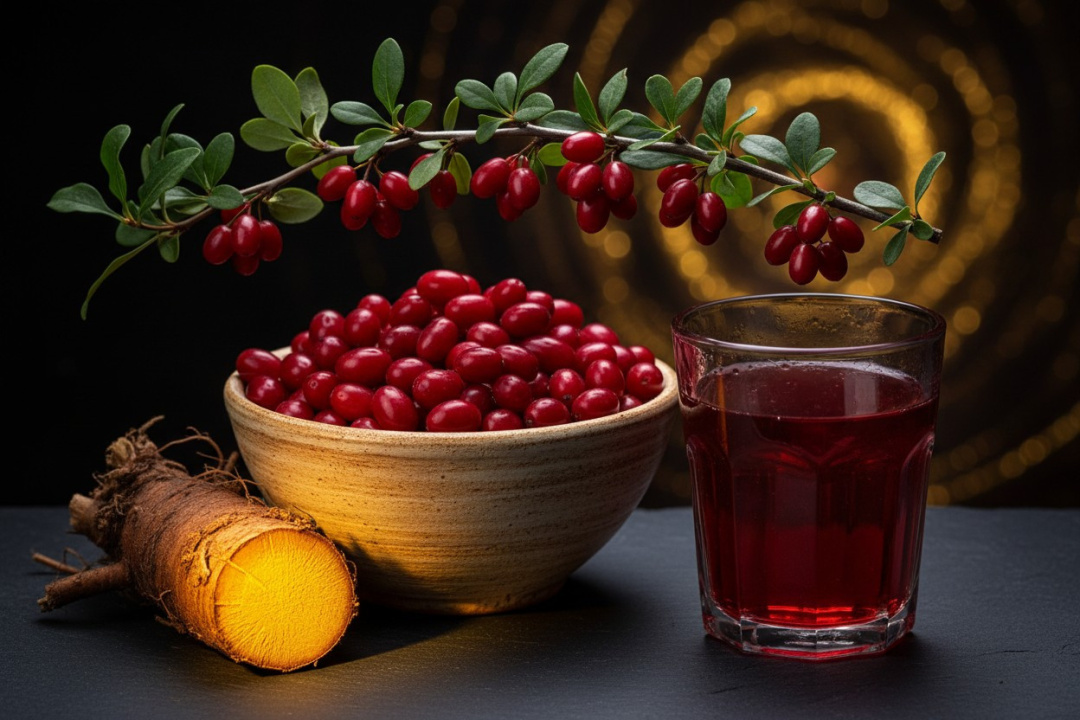
Barberries, the edible dark red fruits of the spiny barberry shrub, are native to Europe and Asia and have been recognized for their potential health benefits. Dietitians have highlighted berberine, a compound found in barberries, which has been studied for its effects on lowering blood sugar and cholesterol levels. However, it is important to note that berberine is primarily concentrated in the roots and rhizomes of the plant rather than in the fruit itself. As such, consuming barberries is not equivalent to taking concentrated berberine supplements.
Research indicates that berberine supplements may help reduce LDL cholesterol, triglycerides, and blood sugar levels in individuals with Type 2 diabetes or metabolic syndrome. This compound has a long history of use in Traditional Chinese Medicine and Ayurvedic practices, where it is valued for its multi-target therapeutic properties. Modern studies suggest that berberine may improve gut health, regulate blood sugar, and support cardiovascular function by activating AMPK, an enzyme involved in cellular energy regulation, and modulating various metabolic pathways.
Despite the promising findings, dietitians stress the need for caution. Most studies on berberine have been small and short-term, focusing on supplements rather than the fruit itself. Lauri Wright, PhD, RDN, emphasizes that the limited evidence base means that the findings should be interpreted carefully. Furthermore, berberine supplementation can lead to side effects such as nausea, diarrhea, and potential interactions with prescription medications, which may amplify the effects of diabetes, blood pressure, and cholesterol drugs.
While barberries can be a nutritious addition to a balanced diet, contributing flavor, color, and antioxidants, they should not be viewed as a cure-all for blood sugar or cholesterol issues. Wright recommends a diet rich in fruits, vegetables, whole grains, and healthy fats, along with regular physical activity and any prescribed medications, as the foundation for managing these health concerns.
Barberries have culinary and medicinal uses, often found in Middle Eastern cuisine, where they are used in traditional dishes. They are also noted for their high antioxidant content, surpassing that of other dried fruits. However, dietitians caution that no single food or supplement can dramatically alter cholesterol levels or reverse diabetes on its own. Instead, a holistic approach to diet and lifestyle is essential.
In conclusion, while the research on berberine and its effects on blood sugar and cholesterol is intriguing, the evidence remains preliminary. Individuals interested in using berberine supplements should seek products that have been independently tested and consult healthcare professionals before starting any new regimen. Barberries can be a delightful and healthful addition to a varied diet but should complement, rather than replace, a comprehensive approach to health management.