Cucumbers: A Hydrating Food Rich in Nutrients and Potential Health Benefits
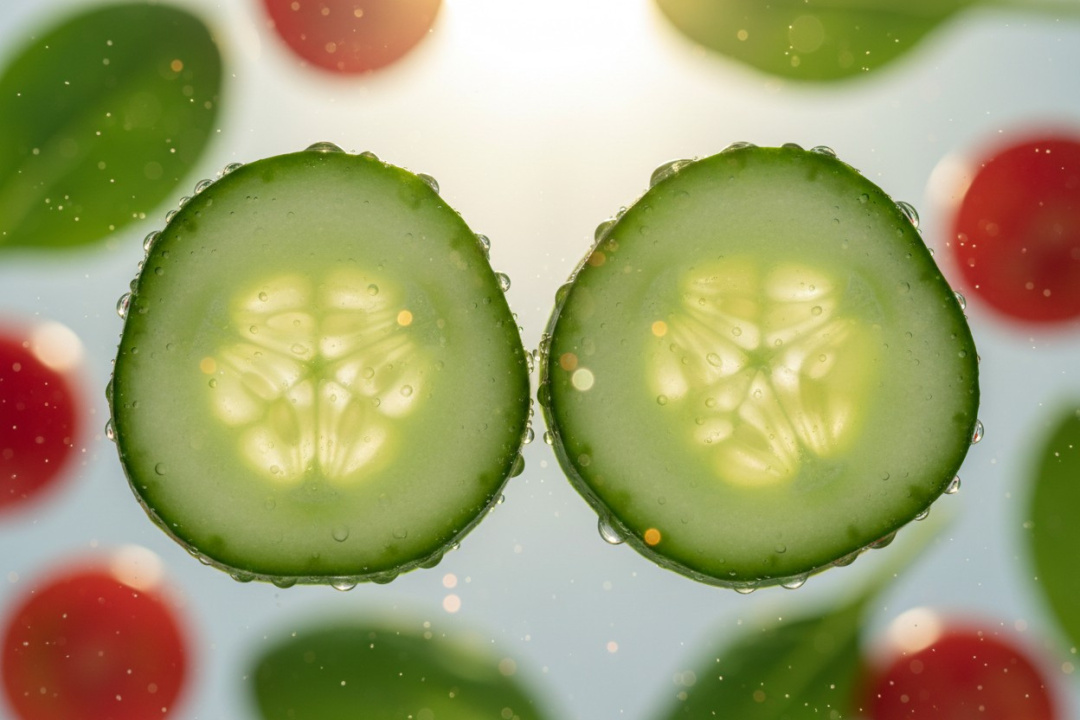
Cucumbers are composed of approximately 95% water, making them one of the most hydrating foods available. According to nutritionist Jenna Hope, cucumbers contain minimal fat, carbohydrates, and sugar, with about 15 calories per 100 grams. A medium cucumber with peel provides roughly 45 calories, 1.5 grams of fiber, and over 41% of the daily value for vitamin K, as reported by USDA FoodData Central.
In addition to their hydration benefits, cucumbers are a source of vitamin C, vitamin A, and antioxidants such as lignans and flavonoids, which contribute to overall health. The book 'The 200 Superfoods That Will Save Your Life' emphasizes that cucumbers provide not only hydration but also essential vitamins A, C, and K, folate, and other B vitamins, along with carotenes and minerals.
The high water content in cucumbers helps meet daily fluid intake recommendations, with nutrition experts noting their unique mix of water, fiber, antioxidants, and B vitamins as a natural way to support hydration while contributing essential nutrients. Antioxidants in cucumbers, including flavonoids and lignans, may provide protective effects against oxidative stress, which is associated with reduced risk of certain cancers, although specific studies are not detailed in the source.
Flavonoids in cucumbers may also help lower LDL cholesterol, a risk factor for heart disease and stroke, according to a 2018 review in the journal Nutrients. Vitamin K, found in cucumbers, supports bone formation and skin elasticity, with some sources noting its potential to minimize spider veins and enhance skin health.
Cucumbers' low calorie and high water and fiber content may assist with weight management, as fiber promotes satiety and aids digestion. Author Mimi Kirk highlights that cucumbers hydrate both internally and externally and can help flush out toxins while providing vitamins. The combination of water, vitamin C, and vitamin A in cucumbers is noted to reduce skin irritation when applied topically, based on traditional uses and preliminary research.
Cucumbers are generally recognized as safe for consumption when properly washed and handled. However, like all fresh produce, they can carry pathogens, and the U.S. Food and Drug Administration advises washing cucumbers before consumption to mitigate contamination risks. The long history of cucumbers in traditional medicine indicates their safe use over centuries.
Individuals with ragweed allergies may experience oral allergy syndrome when consuming cucumbers. Nonetheless, for most people, cucumbers are a safe and nutritious addition to the diet. They can be incorporated into salads, sandwiches, smoothies, or pickled preparations, and can even be spiralized as a pasta substitute.
Proper storage is essential; whole cucumbers can be kept in the refrigerator for up to 10 days, while sliced cucumbers last about five days when wrapped. Washing cucumbers before consumption is crucial to reduce contamination risk. Furthermore, cucumbers can be fermented into pickles, enhancing gut health through probiotics.
Research indicates that cucumbers are a hydrating, low-calorie food rich in vitamins, minerals, and antioxidants. Their water content supports hydration, while nutrients like vitamin K, flavonoids, and lignans offer potential benefits for heart health, bone strength, weight management, and skin health. While cucumbers are generally safe, proper washing is recommended, and incorporating them into meals is simple, contributing to a nutrient-dense diet.