Genetic Mechanisms of Metabolic Divergence in Drosophila Sex Comb Evolution
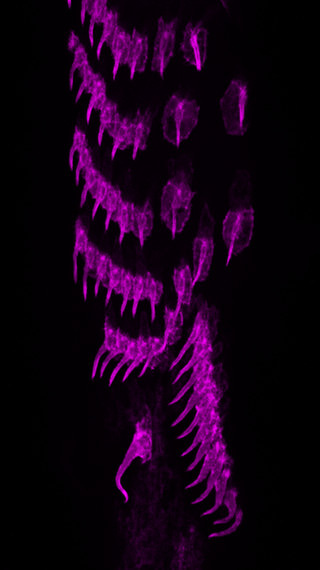
A recent study published in PLOS Biology investigates the genetic mechanisms that drive the evolution of the Drosophila sex comb teeth, a male-specific structure that enhances mating success. This research reveals that rather than relying on the co-option of new genes, the evolution of these traits is primarily influenced by changes in the expression of existing genes, leading to significant metabolic and developmental differences among homologous cells. The study identifies that the sex comb evolved from a more ancient precursor—the mechanosensory bristle—through a novel character identity network (ChIN) that centers on the sex determination gene doublesex (dsx) and the HOX gene Sex combs reduced (Scr). By employing time-series single-cell RNA sequencing, the researchers demonstrated that the new ChIN orchestrates quantitative and heterochronic changes in the ancestral transcriptome of mechanosensory bristles. These changes impact gene modules responsible for energy metabolism, endoreplication, and actin dynamics, resulting in an accelerated growth rate of the sex comb teeth. This finding suggests that morphological innovations can arise from metabolic-driven divergences in developmental rates between serially homologous cells, emphasizing the role of existing genetic frameworks in the evolution of new traits. The implications of this research extend beyond Drosophila, offering a broader understanding of how evolutionary processes can generate novel biological functions and structures without necessitating the introduction of new genetic material. The study underscores the importance of metabolic changes in shaping developmental trajectories and highlights the intricate relationship between genetics and evolutionary innovation.