Study Links Antidiabetic Medications to Cognitive Disorder Risks in Type 2 Diabetes
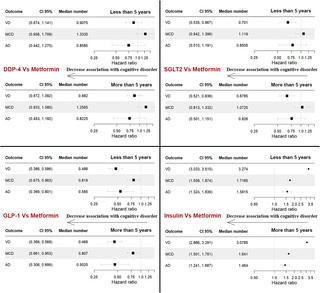
A recent retrospective cohort study published in PLOS One has examined the associations between commonly used antidiabetic medications and the incidence of cognitive disorders, specifically mild cognitive disorder, Alzheimer disease, and vascular dementia, in adults diagnosed with type 2 diabetes. The research utilized the TriNetX US Collaborative Network, which provided a robust dataset of electronic health records from over 1.5 million adults aged 40 to 69 with type 2 diabetes, spanning from 2010 to 2024. The study aimed to clarify how different antidiabetic treatment regimens might affect long-term cognitive health, a significant concern given the rising prevalence of diabetes worldwide, projected to impact more than 1.3 billion people by 2050.
Participants in the study were categorized into five treatment groups: metformin only, metformin combined with DPP-4 inhibitors, GLP-1 receptor agonists, SGLT-2 inhibitors, and insulin monotherapy. The analysis focused on the incidence of cognitive disorders identified through ICD-10 codes, with hazard ratios calculated to assess the risk associated with each treatment regimen. The findings revealed that patients receiving GLP-1 receptor agonists in combination with metformin exhibited a significantly lower incidence of vascular dementia (hazard ratio of 0.46), mild cognitive disorder (hazard ratio of 0.79), and Alzheimer disease (hazard ratio of 0.46) compared to those on metformin alone. In contrast, insulin monotherapy was linked to a higher incidence of all three cognitive disorders, with hazard ratios of 3.27 for vascular dementia, 1.71 for mild cognitive disorder, and 1.56 for Alzheimer disease.
While these results suggest that GLP-1 receptor agonists and SGLT-2 inhibitors may offer protective effects against cognitive decline, the authors caution that the association observed with insulin therapy may be influenced by confounding factors such as disease severity and duration. The study highlights the complexity of diabetes management and the potential long-term implications of medication choices on cognitive health. It underscores the need for healthcare providers to consider these factors when prescribing antidiabetic medications to optimize both metabolic control and cognitive outcomes for their patients.
The study's methodology included propensity score matching to balance covariates among treatment groups, ensuring that the comparisons made were as fair as possible. However, the authors acknowledge limitations, such as the potential for unmeasured confounding variables and the challenges of accurately capturing certain health conditions within the database used. Overall, this research contributes valuable insights into the relationship between diabetes management and cognitive health, emphasizing the importance of tailored treatment approaches for individuals with type 2 diabetes.