Robert F. Kennedy Jr.'s Claims on Obesity Rates: A Closer Look
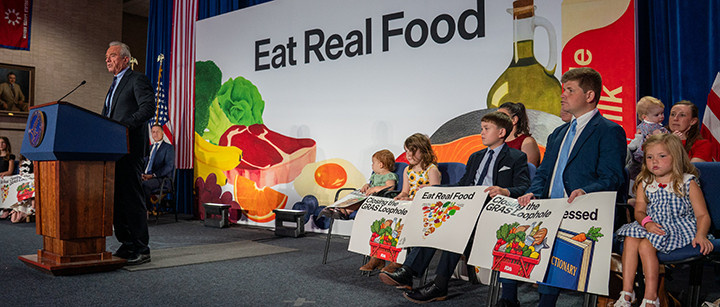
In recent public appearances, Health and Human Services Secretary Robert F. Kennedy Jr. has claimed that obesity rates in the U.S. have dropped by 3% in the last year, attributing this decline to the efforts of the Trump administration. While some polling data does suggest a decrease in obesity rates, experts clarify that this decline has been gradual, beginning well before President Donald Trump took office. According to Gallup polling, the obesity rate among U.S. adults peaked in 2022 and has been falling annually since then, with the decline continuing under both the Biden and Trump administrations. Experts have expressed skepticism regarding the reasons behind this purported drop, noting that there is little evidence to support the assertion that it is due to changes in diet or lifestyle, as Kennedy has suggested. Instead, the increasing use of GLP-1 weight loss medications, which have gained popularity, may play a significant role in this trend. Kennedy has made several statements touting the decline in obesity rates, claiming during an event focused on childhood nutrition that this year marks the first drop in obesity rates in 40 years. He also emphasized an increase in the consumption of 'real foods' by 7 to 10% as a contributing factor. However, experts have pointed out that these claims lack substantial backing. The data from Gallup shows a total decline of 3.5 percentage points from 2022 to the first half of 2026, with most of that decrease occurring during the Biden administration. This raises questions about the accuracy of Kennedy's assertions. Furthermore, experts have indicated that while there may be a slight decline in obesity rates, it is uncertain whether this trend will continue. Historical data has shown that obesity rates have previously plateaued or dipped only to rise again in subsequent years. The reasons for any decline in obesity remain complex, with many experts emphasizing that there is no clear evidence of significant improvements in Americans' dietary habits. The rise of GLP-1 medications, which have been shown to be effective for weight management, is often cited as a more plausible explanation for the observed changes in obesity rates. Kennedy's focus on promoting the consumption of 'real foods' and moving away from pharmaceutical interventions has been met with mixed responses from health professionals, who acknowledge that while such initiatives are commendable, it will take time to see measurable impacts on public health outcomes. The ongoing debate about the effectiveness of dietary changes versus pharmacological interventions continues, with experts cautioning against drawing definitive conclusions based on current data. As the landscape of obesity treatment evolves, the interplay between medication, dietary habits, and public health initiatives will remain a critical area of study and discussion.