Gut Microbiota Changes and Thyroid Hormone Levels in Papillary Thyroid Cancer Surgery
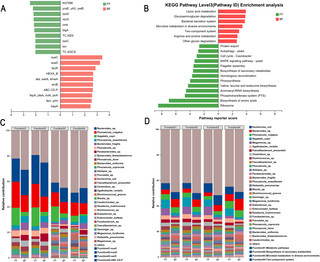
A recent study published in PLOS One explores the intricate relationship between gut microbiota and thyroid hormone levels in patients with papillary thyroid cancer (PTC) before and after surgical intervention. The research aims to clarify how changes in intestinal flora may influence systemic thyroid hormone regulation, which is critical given the rising incidence of thyroid cancer globally.
The study involved 20 patients diagnosed with PTC, who provided fecal samples and had their thyroid hormone levels measured within three days prior to surgery and 72 hours post-operation. Through metagenomic analysis, researchers examined the diversity and composition of gut microbiota, employing various analytical methods including α and β diversity analysis, PCoA, and correlation network analysis.
Findings revealed significant alterations in gut microbiota composition following surgery. Notably, species such as Bacteroides sp. and Clostridium sp. exhibited varying abundances pre- and post-operatively, indicating a shift in microbial populations. Furthermore, thyroid hormone levels demonstrated distinct trends; FT4 levels increased while TSH, PTH, and HTG levels decreased after surgery. These hormonal changes were linked to specific microbial taxa, suggesting that gut microbiota may play a role in thyroid hormone regulation.
The study also identified differential metabolic pathways associated with these changes, including iron uptake, polysaccharide utilization, and stress response, highlighting the complex interplay between gut health and thyroid function. The authors propose that future strategies could involve targeting gut microbiota as a potential adjuvant therapy for patients undergoing thyroid surgery, aiming to improve metabolic outcomes and hormone regulation.
This research underscores the importance of understanding the gut-thyroid axis, particularly in the context of thyroid cancer treatment. It opens avenues for further investigation into how microbiota modulation could support hormonal balance and overall health in affected patients. The study was ethically approved and conducted with informed consent from all participants, ensuring adherence to ethical research standards.