Reopening U.S.-Mexico Cattle Imports Aimed at Addressing High Beef Prices
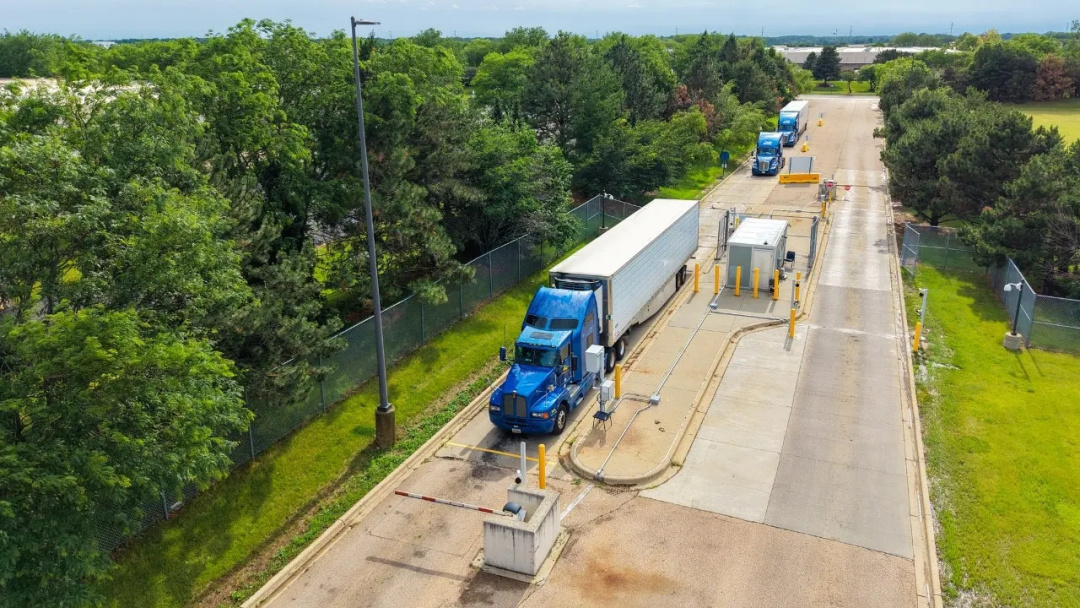
The U.S. is set to reopen a border crossing in Arizona to facilitate the import of cattle from Mexico, a decision made by the Trump administration in response to escalating beef prices. This reopening comes after concerns regarding the New World screwworm's spread were deemed manageable enough to allow cattle movement at the Douglas, Arizona crossing, located approximately 230 miles southeast of Phoenix. The USDA plans to gradually reopen additional crossings in New Mexico and Texas as well.
Despite this move, economists express doubt regarding its effectiveness in significantly lowering beef prices for consumers. Derrell Peel, a professor of agribusiness at Oklahoma State University, noted that the administration is under pressure to demonstrate action against high beef prices, which have become a prominent issue. The USDA previously closed the border to cattle imports in May 2025 to control the screwworm, a parasite known for infesting livestock. This closure has contributed to a significant shortage of cattle available for slaughter in the U.S.
The USDA's phased approach to reopening the border means that it will take time for Mexican cattle imports to return to pre-closure levels. Historically, Mexico has supplied about 1.1 million head of cattle, accounting for roughly 3% of the U.S. cattle supply. Peel indicated that he does not foresee any immediate impact on cattle or beef prices as a result of this reopening.
As of January 1, the U.S. cattle herd had diminished to 86.2 million head, the smallest it has been in 75 years. Over the past five years, beef prices have surged, increasing at a rate significantly higher than overall food prices. For instance, the average price of ground beef jumped nearly 57% from July 2021 to July 2026, reaching a peak of $6.90 per pound. In comparison, food prices overall have risen about 25% during the same period.
Glynn Tonsor, an agricultural economics professor at Kansas State University, pointed out that the efficiency of the U.S. beef industry has somewhat mitigated the impact of the reduced cattle supply, as producers are now able to extract more meat from each animal than in previous years.
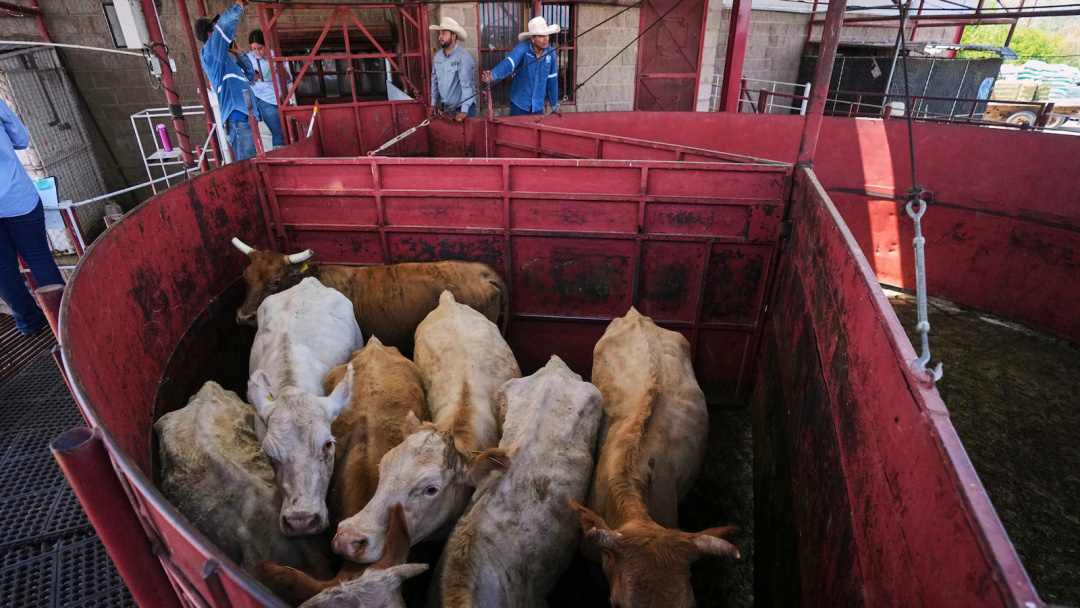
The New World screwworm is considered a significant threat to the U.S. cattle industry, valued at $113 billion. The parasite had been largely eradicated in the U.S. but reemerged in southern Mexico in late 2024, prompting heightened concerns among ranchers and officials. U.S. Agriculture Secretary Brooke Rollins has emphasized the importance of strong animal health protocols during the reopening process, stating that each animal will be inspected to ensure it is free of the parasite.
Senate Agriculture Committee Chair John Boozman highlighted the careful, science-based approach being taken by the USDA to restore trade with Mexico, which is crucial for the health of the U.S. beef industry.
The ongoing drought conditions in cattle-producing regions of the U.S. have further exacerbated the decline in the national herd, as ranchers are forced to sell cattle due to lack of grazing resources. This long-term trend of low cattle prices has also contributed to the reduction of herds over the past two decades.
As the U.S. works to rebuild its cattle supply, experts warn that it may take years to see any significant decrease in beef prices, given the slow reproductive rate of cattle. Peel remarked that for policymakers, the options to address high prices are limited, and the situation is likely to persist for some time.